 Residential Septic Tank Decommissioning in New Jersey
 Residential Septic Tank Decommissioning in New Jersey
A residential septic tank ensures that waste disposal is performed in a safe, secure manner. Maintaining your septic tank and following the proper guidelines, permits, and safety regulations for residential septic tank decommissioning is essential. Arrow Sewer & Drain performs residential septic tank decommissioning for homeowners across New Jersey. Learn more about this service and what it entails.
Key Takeaways
- Residential septic tank decommissioning is a regulated process in New Jersey requiring professional expertise and adherence to local health department regulations.
- Proper decommissioning prevents groundwater contamination, soil instability, and safety hazards caused by abandoned tanks.
- The process includes inspection, permitting, pumping, removal or crushing, backfilling, and final inspection.
- Specialized equipment, such as hydro and air excavation, pipe bursting, and CCTV cameras, ensure safe and thorough removal.
- Arrow Sewer & Drain offers licensed, code-compliant decommissioning services with 24/7 emergency support.
What Is Residential Septic Tank Decommissioning?
Residential septic tank decommissioning in New Jersey is a regulated, multi-step process designed to safely retire septic systems that are no longer in use. Decommissioning is often required when:
- A home is transitioning from a septic system to a city sewer
- A property is being sold or redeveloped
- A tank is damaged, outdated, or poses environmental risks
Leaving an unused septic tank in place can pose serious safety and environmental risks, including groundwater contamination from residual waste or leaking tanks, soil instability or sinkholes caused by collapsing or deteriorating tanks, health hazards from exposure to untreated sewage or gases, and legal and permitting issues if the tank is not properly documented or removed.
How Does Septic Tank Decommissioning Work?
Whether you’re switching to your city’s sewer system or removing an old tank, proper decommissioning is essential to protect your property, health, and environment. In New Jersey, this process must follow local health department regulations, including proper permitting and inspection. The steps in the decommissioning process include:
- Inspecting and permitting: A licensed professional will inspect your septic system and obtain the necessary permits in accordance with New Jersey health department regulations.
- Pumping and cleaning: The septic tank is pumped out by a certified waste operator to remove all sludge and waste, ensuring the system is clean before removal or collapse.
- Removing or crushing the tank: Depending on the condition and location, the tank is either removed entirely or crushed in place. This step is critical to prevent contamination.
- Backfilling the area: The empty cavity is filled with clean soil, gravel, or concrete to stabilize the ground and eliminate the risk of sinkholes or structural damage.
- Redirecting plumbing lines: If you’re connecting to a municipal sewer system, plumbing lines are rerouted accordingly. Arrow Sewer & Drain handles both the decommissioning and the sewer hookup, streamlining the process.
- Final inspection and documentation: A final inspection ensures the residential septic tank decommissioning meets all local and state requirements.
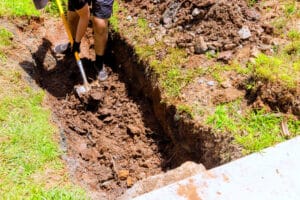
Arrow Sewer & Drain ensures that every step of the decommissioning process is handled professionally and in compliance with state and local codes. Our team uses specialized equipment to perform excavation, backfill, and site restoration efficiently, protecting your property and the environment.
Advantages of Professional Septic Tank Decommissioning
Choosing a professional team for residential septic tank decommissioning offers more than just convenience. It ensures the job is done safely, legally, and with long-term peace of mind. Arrow Sewer & Drain brings the experience, equipment, and knowledge needed to handle every aspect of the process. Some benefits of getting the process done by our professionals include:
Environmental and Safety Benefits
Improperly abandoned septic tanks can lead to groundwater contamination, soil instability, and health hazards from residual waste. Professional decommissioning ensures the tank is pumped, cleaned, and filled correctly to prevent future environmental risks.
Compliance with New Jersey Regulations
Residential septic tank decommissioning in New Jersey must adhere to strict guidelines established by local health departments. This includes obtaining permits, performing inspections, and documenting the process. Arrow Sewer & Drain is fully licensed and familiar with state and municipal codes, ensuring your project meets all legal requirements and avoids costly fines.
Peace of Mind for Homeowners
When you hire Arrow Sewer & Drain, we perform jobs with professionalism and care in mind. We have specialized equipment and tools for the process. We also offer 24/7 emergency services and can provide second opinions on septic or sewer estimates, helping you make informed decisions with no pressure.
Why Choose Arrow Sewer & Drain for Residential Septic Tank Decommissioning?
While residential septic tank decommissioning can seem daunting, Arrow Sewer & Drain is here to help homeowners in NJ. With over fifteen years of experience, Arrow Sewer & Drain performs projects with professionalism and care in mind. We also handle excavation, pipe repair, and plumbing services. We specialize in both residential and commercial plumbing, demonstrating our commitment to providing a wide range of services through one point of contact. If you wish to learn more about our offerings, contact us today.
Frequently Asked Questions About Residential Septic Tank Decommissioning
What is residential septic tank decommissioning?
Residential septic tank decommissioning is the process of safely retiring an unused septic tank to prevent environmental and safety risks.
When is septic tank decommissioning required in NJ?
This is required when the home is being connected to a city sewer, during property sales, or redevelopment, or when a tank is damaged or outdated.
Do I need permits for residential septic tank decommissioning?
Yes, NJ requires proper permitting and inspections through local health departments.
How long does the process take?
Most residential rank decommissioning projects can be performed in one to two days, depending on site conditions.