New Jersey Hydro Excavation
Hydro excavation is a non-destructive method used to safely expose underground utilities using pressurized water and vacuum extraction. This process is commonly used across residential and commercial properties when precision is required around buried infrastructure such as sewer lines, water services, and utility crossings.
24/7 Emergency Hydro Excavation
Hydro excavation may be required on an emergency basis when underground utilities must be exposed quickly and safely to address active failures. Situations such as sewer backups, water line breaks require immediate access without risking further damage from mechanical digging.
Delaying excavation can increase the risk of pipe collapse, soil instability, or additional utility damage. Emergency response focuses first on stabilizing the area and safely exposing the affected infrastructure.
Review our Trenchless Sewer Repair Special
Need Emergency Hydro Excavation?
Once exposed, evaluation determines whether trenchless sewer repair, sewer repair or replacement, or full excavation is required to restore system performance.
NJ Master Plumber License # 36BI01352100
Call (908) 472-3801What Is Hydro Excavation?
Hydro excavation is a controlled excavation method that uses high-pressure water to break up soil while a vacuum system removes the loosened material. This allows underground utilities to be exposed with precision, reducing the likelihood of accidental damage.
This process is widely used in New Jersey due to varying soil conditions, including clay, silt, and previously disturbed fill, which can make traditional excavation unpredictable. Hydro excavation is especially useful when working near active sewer lines, water services, or multiple utility crossings.
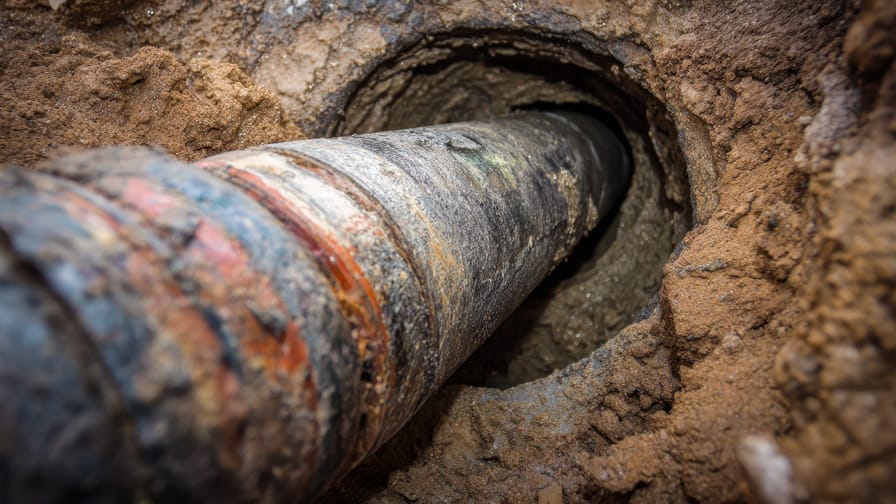
Hydro excavation does not repair pipes or restore system functionality. Instead, it provides safe access so that accurate diagnostics and repairs can be performed. When larger sections of underground infrastructure must be removed or replaced, this work transitions into full excavation contractor services.
Exposing a pipe alone does not confirm its internal condition. A sewer scope inspection (for residential properties) or CCTV sewer inspection (for commercial properties) may be recommended to evaluate structural integrity and determine whether trenchless sewer repair or sewer repair or replacement is necessary.
Hydro excavation is commonly performed using equipment known as a suction excavator, which combines pressurized water cutting with vacuum extraction.
Hydro excavation is typically selected when underground utilities are present, when the exact location of infrastructure must be confirmed, or when soil conditions make mechanical excavation unpredictable. In contrast, traditional excavation is often used when large areas need to be opened or when utilities are already clearly identified and accessible. The choice between methods depends on the level of precision required, the condition of the surrounding soil, and the risk of damaging nearby systems.
Signs of a Failing Sewer Line:
For a deeper look at the warning signs of sewer line failure — slow drains, sewage smells, soggy yard patches, and unexplained water bill spikes — and what each symptom typically points to, see our complete guide to signs of a leaking sewer line.
Sewer Inspection Guide:
For a deeper look at how a sewer inspection can show where a sewer line has failed — what a camera reveals about both the pipe and the soil supporting it, and how to evaluate any inspection report — see our complete guide to what sewer inspection cameras actually show.
Hydro Excavation Related Services
Excavation Services
Performs controlled excavation to access, repair, or replace underground plumbing and sewer infrastructure systems.

Drilling Contractor
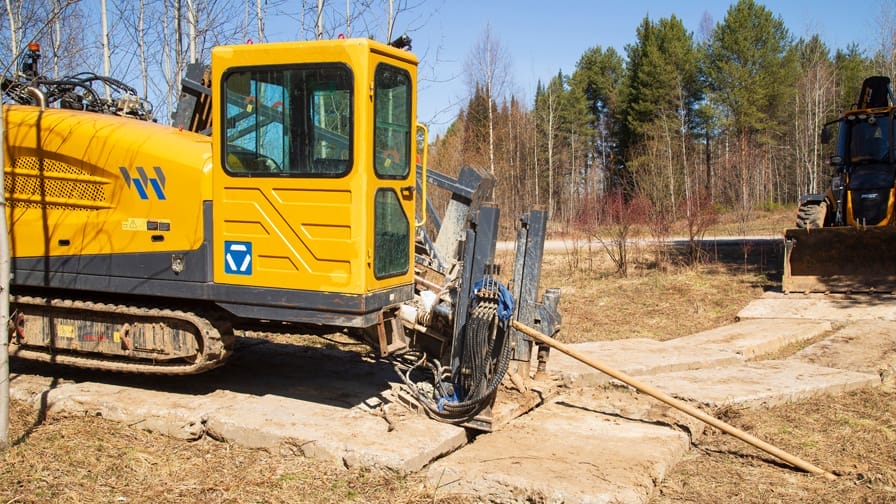
Directional drilling, HDD, and utility access services supporting sewer and water infrastructure installation.
Horizontal Directional Drilling
Horizontal directional drilling contractors installing sewer, water, and utility lines beneath driveways and roads across Central New Jersey.
Sewer Repair
Repairs damaged sewer lines through excavation or trenchless methods to restore proper wastewater flow and function.

Main Sewer Line Repair
Repairs the line most homeowners call the main - your sewer lateral, from the foundation to the point of connection - and settles whether anything past the tap is the town's to fix.

Orangeburg Pipe Replacement
Removes deteriorated bituminous fiber sewer pipe. Restores structural integrity in aging NJ systems. Used when material failure is confirmed.

Trenchless Sewer Repair
Trenchless sewer repairs restore damaged underground sewer infrastructure without extensive excavation.

Water Line Repair
Locates the leak in your buried service line — the pipe most homeowners call the water main — and repairs or replaces only the section that needs it.

How to Determine if You Need Hydro Excavation
Hydro excavation is often considered when site conditions make traditional digging less safe or less controlled. If you are trying to understand how to tell if hydro excavation is the better approach, the key signs usually involve buried infrastructure, unstable soil, and the need for precise access before repair or installation decisions are made.
Step 1: Check Whether Multiple Buried Utilities May Be Present
Start by identifying whether the work area may contain unknown, unmarked, or closely spaced underground utilities. When utility congestion is possible, controlled excavation becomes more important to reduce the risk of accidental strikes.
Step 2: Look for Repeated Underground Problems in the Same Area
Determine whether the property has a history of repeated sewer, water, or underground infrastructure failures in one location. Recurring issues often indicate that safe re-exposure of buried lines is needed before further repair work proceeds.
Step 3: Watch for Visible Signs of Soil or Infrastructure Instability
Look for signs such as settlement, shifting soil, surface depressions, or conditions suggesting a pipe offset, break, or collapse below grade. These visible changes often indicate that buried infrastructure should be exposed carefully rather than with aggressive mechanical digging.
Step 4: Evaluate Whether the Work Requires Precision in a Tight or High-Risk Area
Consider whether excavation must occur in confined spaces, near active utility lines. The tighter and more sensitive the location, the more important precise excavation becomes.
Step 5: Confirm the Need With the Appropriate Inspection and Exposure Method
Symptoms alone do not confirm the safest excavation approach. When underground conditions, buried utilities, or pipe damage are suspected, inspection and controlled exposure are needed to verify the exact location, condition, and depth of the infrastructure before repair or replacement decisions are made.
What Are the Benefits of Hydro Excavation?
Reduces the risk of damaging existing sewer, water, or utility lines
Allows precise excavation in areas with multiple underground systems
Minimizes disturbance to landscaping, pavement, and surrounding structures
Improves safety in unstable or water-saturated soil conditions
Helps avoid unnecessary large-scale digging when only targeted access is needed
Supports accurate diagnosis by exposing the exact problem area

What Causes the Need for Hydro Excavation?
Hydro excavation is typically required when underground conditions make it unsafe or impractical to use traditional mechanical digging. In New Jersey, soil composition and aging underground infrastructure often combine to create situations where precise, non-destructive excavation is necessary.
Clay and silty soils common throughout the region tend to retain moisture and expand when saturated. This movement can place continuous pressure on buried infrastructure, gradually weakening pipes and disturbing surrounding soil. In developed areas, previously disturbed or mixed fill soils may contain debris or inconsistent layers, increasing the risk of instability during excavation.
At the same time, underground systems may be affected by structural issues such as root intrusion, cracking, corrosion, scale buildup, offsets between pipe sections, or partial collapse. As these conditions develop, they can compromise both the pipe and surrounding soil, making controlled excavation necessary to safely expose the affected area.
Because surface symptoms often do not reflect the full condition of the system, proper evaluation is critical. A sewer scope inspection (for residential properties) or CCTV sewer inspection (for commercial properties) is typically used to confirm the extent of damage and determine whether trenchless sewer repair, sewer repair or replacement, or excavation is required.
How Arrow Performs Hydro Excavation
- Assessment
The work area is evaluated to identify underground utilities, soil conditions, and access points. This step determines whether hydro excavation is the appropriate method or if traditional excavation is required based on the scope and risk level. - Diagnostics
When needed, a sewer scope inspection or CCTV sewer inspection is used to assess pipe condition and determine whether trenchless pipe lining, trenchless pipe replacement, sewer repair, or excavation is necessary. - Hydro Excavation Execution
Pressurized water and vacuum extraction are used to safely expose the targeted underground infrastructure. - Verification
Once exposed, the system is evaluated for structural integrity to confirm the appropriate repair pathway. - Cleanup
Excavated material is removed, and the area is stabilized to support repair or restoration work.
Why Choose Arrow Sewer & Drain for Hydro Excavation
- Experienced with New Jersey soil and underground conditions
- Uses safe, non-destructive excavation methods
- Integrates diagnostics with repair planning
- Serves both residential and commercial properties
- Provides 24/7 emergency response
- Focuses on accurate problem identification before repair
Get Financing
Get Pre-Qualified Today So Our Trained professionals Can Help With Hydro Excavation.
Nearby Service Locations To Support You
Are you looking for Hydro Excavation in Central New Jersey? We can provide you service from:
Middlesex County, NJ
We serve Middlesex County from our offices in Middlesex, NJ and South Plainfield, NJ.
Somerset County, NJ
We serve Somerset County from our offices in Basking Ridge, NJ, and Bound Brook, NJ.
FAQ About Hydro Excavation
What is hydro excavation used for?
Hydro excavation is used to safely expose underground utilities such as sewer lines, water lines, and other buried infrastructure. It is commonly performed when precision is needed to avoid damaging nearby pipes or utilities during digging.
When is hydro excavation preferred over traditional excavation?
Hydro excavation is typically used when working around active utilities, in unstable soil conditions, or in areas where accuracy is critical. It allows for controlled digging without the risk of mechanical equipment striking or damaging underground systems.
Do I need to call before digging on my property?
Yes. Before any excavation begins, utilities should be located and marked to help prevent accidental damage. Calling 811 allows utility companies to identify underground lines such as gas, electric, water, and communication services. Even with markings in place, hydro excavation is often used to safely expose these utilities without risk.
Does hydro excavation mean my pipe will be repaired?
No. Hydro excavation is used to expose the pipe so it can be properly evaluated. Once the pipe is accessible, the next step depends on its condition, which may involve repair, replacement, or another solution.
Is hydro excavation safe for water lines?
Yes. Hydro excavation is one of the safest methods for exposing potable water lines because it reduces the risk of accidental damage compared to traditional digging methods.
Why can’t you just dig with equipment instead?
Traditional excavation equipment uses mechanical force, which can damage pipes, utilities, or surrounding infrastructure—especially when the exact location of those systems is unknown. Hydro excavation provides a more controlled and precise alternative.
How do you know where to excavate?
The location is typically identified through surface indicators, utility markings, and diagnostic methods such as a sewer scope inspection (for residential properties) or CCTV sewer inspection (for commercial properties). This helps ensure excavation is performed in the correct area.
What happens after the pipe is exposed?
Once the pipe is exposed, it can be evaluated for structural issues such as cracks, offsets, or collapse. Based on that condition, the appropriate repair method is determined, which may include trenchless repair or full replacement.
 Call Now: (908) 472-3801
Call Now for Hydro Excavation
Hydro excavation provides safe and precise access to underground infrastructure, but proper diagnosis is essential to determine the correct long-term repair solution. Arrow Sewer & Drain serves residential and commercial properties throughout New Jersey with professional excavation and diagnostic services designed to support system integrity and performance. Whether you need emergency excavation or planned utility exposure, our team helps identify the problem and guide the appropriate repair pathway.