New Jersey Trenchless Sewer Repair
Trenchless sewer repair restores a damaged sewer line from the inside, without digging a trench across your yard, driveway, or parking area. It solves cracked, root-invaded, and deteriorating pipes for homeowners across New Jersey. Because the correct repair depends on the condition of the existing pipe, proper diagnosis is what separates a lasting fix from a repeat failure.
24/7 Emergency Trenchless Sewer Repair
A sewer emergency is any situation where wastewater is backing up into the home, multiple fixtures have stopped draining, or sewage is surfacing in the yard. These conditions expose your property to contamination and structural damage, and they rarely improve on their own.
Our first priority is stabilization — restoring flow and stopping the backup. Permanent repair decisions come after the line has been evaluated, because the blockage that caused the emergency is often a symptom of a pipe that is failing structurally.
Review our Trenchless Sewer Repair Special
Need Emergency Trenchless Sewer Repair?
Delaying structural repair can result in recurring interior contamination, slab or foundation impact, operational disruption, escalating restoration costs, and progressive pipe collapse.
NJ Master Plumber License # 36BI01352100
Call (908) 472-3801What Is Trenchless Sewer Repair?
Trenchless sewer repair is a group of methods that repair or replace an underground sewer line through small access points instead of a full-length trench. The two core approaches are trenchless pipe lining, which cures a new structural pipe inside the old one, and trenchless pipe replacement, which breaks apart the old pipe while pulling a new one through the same path.
It applies to the sewer lateral that runs from your home to the street, and it works in the situations that cause most New Jersey sewer failures: root intrusion through clay pipe joints, corrosion in cast iron, and deteriorating Orangeburg in homes built before the 1970s.
What trenchless repair does not do is fix a line whose condition hasn’t been confirmed. Lining a pipe that can’t support a liner, or bursting a pipe along a path that can’t be followed, creates problems instead of solving them.
That’s why every trenchless project starts with a camera inspection. A sewer scope inspection confirms the pipe’s material, slope, and structural condition. The sewer inspection is part of the service — it’s what tells us whether your line is a candidate for trenchless repair at all, and which method will last.
Where Trenchless Repair Happens: From Your Foundation to the Main
Every trenchless project works on the same stretch of pipe. Wastewater from every drain in your home collects in the building drain, which exits through the foundation and becomes the sewer lateral — the single buried line that carries everything across your yard toward the street. The lateral runs at a continuous downward slope, deepening as it goes, until it reaches the lateral connection to the municipal main — the tap, usually under or near the street, where your pipe ends and the town’s begins. Beyond that point is the municipal sewer main itself, the shared line serving every property on the street.
Trenchless methods work along the lateral’s full run — and each condition tends to show up at a predictable point on it. Root intrusion clusters mid-yard where the line passes tree root systems. Offsets and bellies form where fill soil has settled, often near the foundation or over old utility trenches. Corrosion and material fatigue run the length of the pipe, because they’re properties of the material itself. And the tap is the one point trenchless methods generally can’t reach — a failed connection is repaired at the connection. When the camera maps your line, it’s mapping exactly this territory: what’s wrong, and precisely where along the run it sits, which together determine whether sewer line repair, a trenchless method, or connection work is the answer.
Trenchless Repair vs. Replacement: Which Do You Need?
The camera inspection answers this question, and the logic is consistent:
- Trenchless pipe lining — when the host pipe is damaged but can still support a liner. The existing pipe becomes the mold for a new one cured in place inside it.
- Trenchless pipe replacement (pipe bursting) — when the pipe is too degraded to line, but the route can still be followed. The bursting head fractures the old pipe outward while pulling in new HDPE.
- Horizontal directional drilling — when no followable route exists, including fully collapsed sewer lines. A new path is bored beneath the surface without disturbing what’s above it.
When none of these fit — or when the damage sits at a single joint or connection — conventional sewer repair or replacement by excavation remains the fallback. We tell you which one your pipe needs based on what the camera shows, not on which service we’d prefer to sell.
Trenchless Methods We Use
Learn about the different trenchless sewer repair services that Arrow Sewer and Drain provides to New Jersey property owners.
Trenchless Pipe Lining
Restores damaged sewer pipes internally using cured-in-place lining without excavation or surface disruption.
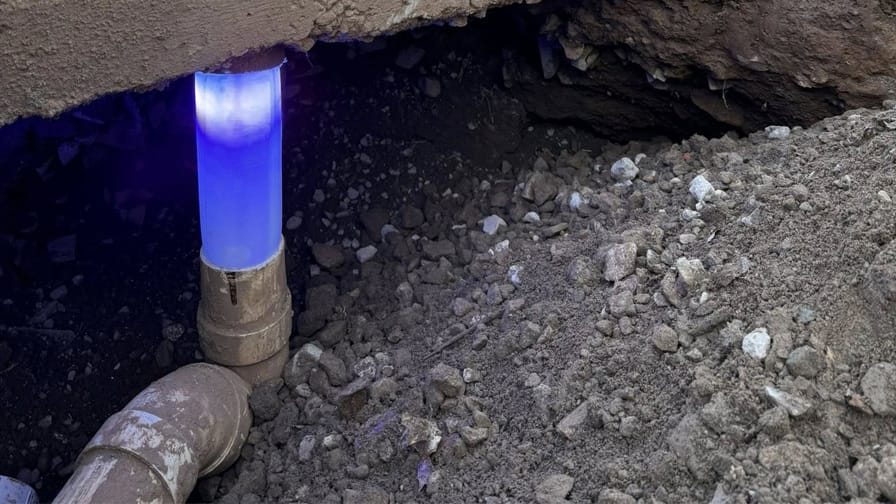
Trenchless Sewer Line Replacement
Replaces damaged sewer lines by breaking and expanding old pipe while installing new line underground.
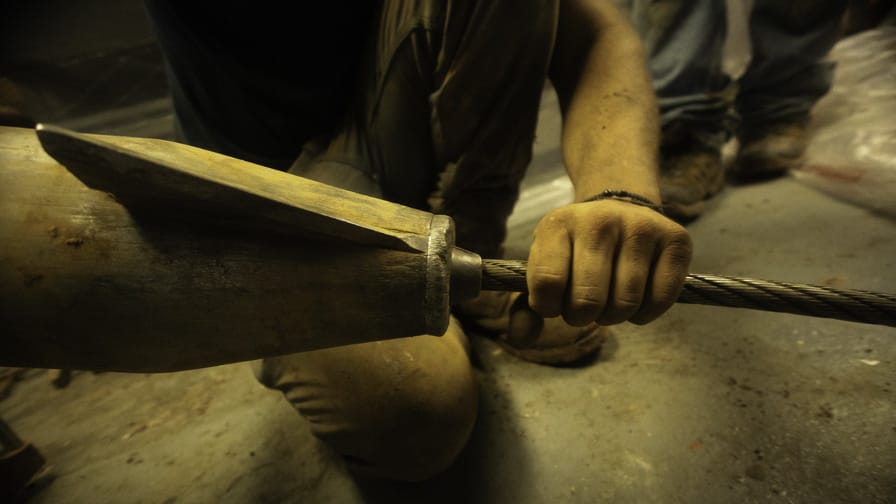
Horizontal Directional Drilling
Horizontal directional drilling contractors installing sewer, water, and utility lines beneath driveways and roads across Central New Jersey.
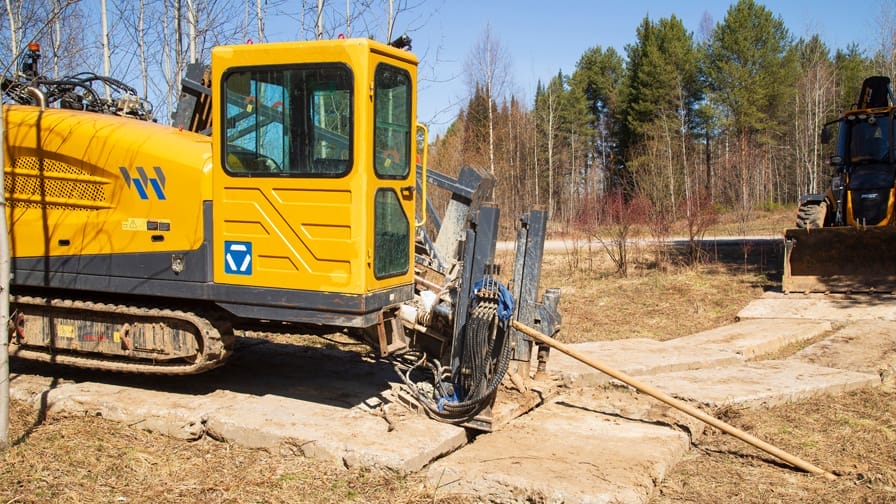
Epoxy Pipe Coating
Applies protective epoxy coating inside pipes to seal leaks, prevent corrosion, and extend service life.
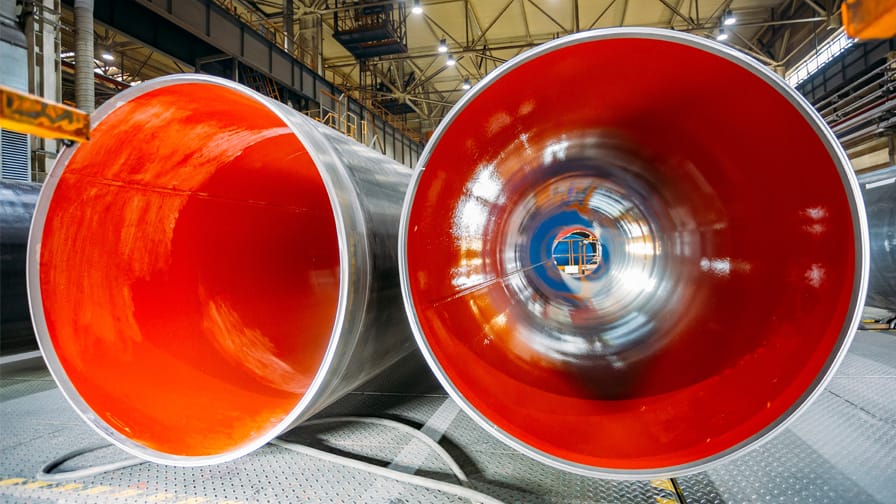
Sewer Inspection
Provides interior video evaluation of sewer piping. Identifies cracks, offsets, corrosion, and root intrusion.

Hydro Jetting
Clears grease, roots, and mineral scale from interior drains and sewer lines, restoring full flow.

What Causes Sewer Problems That Trenchless Repair Can Solve?
Most of the sewer failures we scope across New Jersey start with the age of the pipe and the soil around it — and nearly all of them are conditions trenchless methods are built for:
Root intrusion — tree roots enter at clay pipe joints and expand until the joint cracks open. A cured-in-place liner is jointless, sealing off every entry point roots were using.
Cracked or broken pipe — age and ground movement widen small defects season over season. Caught early, lining or spot repair restores the pipe’s structure before the damage spreads.
Corrosion and scale buildup — cast iron deteriorates from the inside, narrowing the channel until flow stops. Lining or epoxy coating restores a smooth, full-flow interior without replacing the pipe.
Material fatigue — Orangeburg pipe, common in homes built before the 1970s, softens and deforms under soil load. Pipe bursting replaces it with new pipe along the same path.
Offset sewer line — freeze-thaw cycles and ground settlement shift pipe sections out of alignment, so waste snags and water escapes at the gaps. Depending on severity, lining or bursting brings the line back to true.
Belly in the sewer line — a sag where the pipe has lost its slope, so waste settles instead of flowing through. A liner follows the pipe’s existing shape, which is why a true belly usually calls for re-grading the section — one more reason the inspection comes before the method.
Which situation you have — and how far it has progressed — can’t be judged from the surface, which is why inspection comes before any repair recommendation.
Signs You Need Trenchless Sewer Repair
Drains throughout the building are slow, not just one fixture
Gurgling sounds from toilets or floor drains when water runs elsewhere
Sewage odors inside the building or near the foundation
Repeated clogs in the same line despite professional clearing
Wet, sunken, or unusually green patches over the sewer line’s path
Foundation cracks or settling above the pipe’s route — a sign the failing line may be washing out the soil that supports it

Benefits of Trenchless Sewer Repair
- Your yard, driveway, landscaping, and hardscaping stay intact
- Most projects finish in one to two days instead of a week
- Restoration costs after the repair drop to nearly nothing
- New liners and pipes are jointless, leaving roots no entry point
- The repair is verified by camera, so you see the confirmed condition of the restored line — not just restored flow
- Less disruption for businesses that can’t afford days of closed access
Trenchless Sewer Repair Cost and Financing
Looking for the cost of trenchless sewer repair?
The honest answer is that it depends on what the camera finds: the length and depth of the line, how far the damage has progressed, and which method the pipe’s condition allows — lining, bursting, and drilling are each priced differently. To see how those factors come together for your situation, use our sewer repair cost estimator, which frames a range based on your line’s condition and the repair path it points to.
And because sewer work is rarely planned spending, financing options are available for qualified trenchless repairs — ask when you call.
Nearby Service Locations To Support You
Are you looking for Trenchless Sewer Repair in New Jersey? We can provide you service from:
Middlesex County, NJ
We serve Middlesex County from our offices in Middlesex, NJ and South Plainfield, NJ.
Somerset County, NJ
We serve Somerset County from our offices in Basking Ridge, NJ, and Bound Brook, NJ.
FAQs About Trenchless Sewer Repair
What is trenchless sewer repair?
Trenchless sewer repair is any method that fixes or replaces an underground sewer pipe through small access points instead of digging a trench along its full length. The main methods are pipe lining, which builds a new pipe inside the old one, and pipe bursting, which replaces the pipe along its existing path.
How does trenchless sewer repair work?
It starts with a camera inspection to confirm the pipe’s condition. If the pipe can support a liner, an epoxy-saturated liner is cured in place inside it. If it’s too degraded to line but the route is intact, a bursting head fractures the old pipe while pulling in a new one. Either way, the work happens underground, through one or two small access pits, and is verified by camera when finished.
How much does trenchless sewer repair cost in New Jersey?
Cost depends on the pipe’s length, depth, material, and how far the damage has progressed — which is why estimates follow a camera inspection rather than precede it. For a full breakdown of what drives sewer repair pricing in NJ, see our guide: What does a sewer repair cost in NJ?
If my line was cleared, is the pipe repaired?
No. Clearing restores flow, but it doesn’t change the condition of the pipe. If roots or debris blocked the line, the opening they used is still there. A sewer scope inspection after clearing tells you whether the pipe needs structural repair or just maintenance.
When is trenchless pipe repair recommended over sewer line replacement?
Trenchless pipe repair fits when the existing pipe can serve as a host for a liner, or when its route can be reused for bursting. Full sewer line replacement by excavation becomes the recommendation when the line’s condition, depth, or surroundings rule the trenchless methods out. The camera inspection makes that call.
When is residential excavation necessary?
Usually when the damage sits at a point trenchless methods can’t address — a failed connection at the city main, a severely back-pitched section that needs re-grading, or a pipe surrounded by utilities that can’t be crossed. Excavation is the exception in residential work, but when it’s the right tool, using anything else just delays the real fix.
How long does trenchless sewer repair last?
A properly installed liner or replacement pipe is designed for a service life measured in decades. Longevity depends on correct method selection and installation — a liner in a pipe that couldn’t support one fails early, which is why the inspection-first sequence matters more than the material’s rated lifespan.
 Call Now: (908) 472-3801
Call Now for Trenchless Sewer Repair in New Jersey
When a sewer line fails, the right repair starts with knowing exactly what failed. Arrow Sewer & Drain diagnoses first, then matches the method to the pipe — lining, bursting, drilling, or honest advice that trenchless isn’t the answer this time. We serve homeowners and businesses throughout New Jersey.