New Jersey Sewage Ejector Pump Installation
Some properties are positioned below the elevation of the municipal sewer main, preventing wastewater from draining by gravity alone. In these situations, a sewage ejector pump system is used to pump sewage uphill until it reaches the gravity-fed public sewer connection. Sewage ejector pump installation helps properties safely move wastewater from lower elevations to the municipal sewer system while supporting reliable drainage performance.
24/7 Emergency Sewage Ejector Pump Installation
Sewage ejector system failures can quickly create serious wastewater backup conditions within a property. When a sewage ejector pump stops operating, wastewater may no longer be able to reach the municipal sewer main, especially on properties that depend entirely on pumped discharge systems due to elevation limitations.
Emergency sewage ejector pump installation services may be necessary when:
- Existing ejector pumps fail completely
- Wastewater backs up into lower property levels
- Sewage basins overflow
- Pump alarms activate continuously
- Force main discharge systems stop functioning
- Properties experience repeated sewage backup conditions
Review our Trenchless Sewer Repair Special
Need Emergency Sewage Ejector Pump Installation?
Delaying service may increase the risk of sanitation concerns, wastewater overflow, and damage to lower building levels.
If your sewage ejector pump system stops operating, call Arrow Sewer and Drain for emergency service scheduling.
NJ Master Plumber License # 36BI01352100
Call (908) 472-3801What Is Sewage Ejector Pump Installation?
Sewage ejector pump installation involves installing a wastewater pumping system that moves sewage uphill to reach the municipal sewer main when gravity drainage alone is not possible. These systems are commonly used on properties where plumbing fixtures, drainage systems, or entire lower building elevations sit below the elevation of the public sewer connection.
Most sewer systems rely on gravity flow to move wastewater downhill toward the municipal sewer infrastructure. However, some properties are located at elevations where wastewater cannot naturally reach the public sewer main without mechanical assistance.
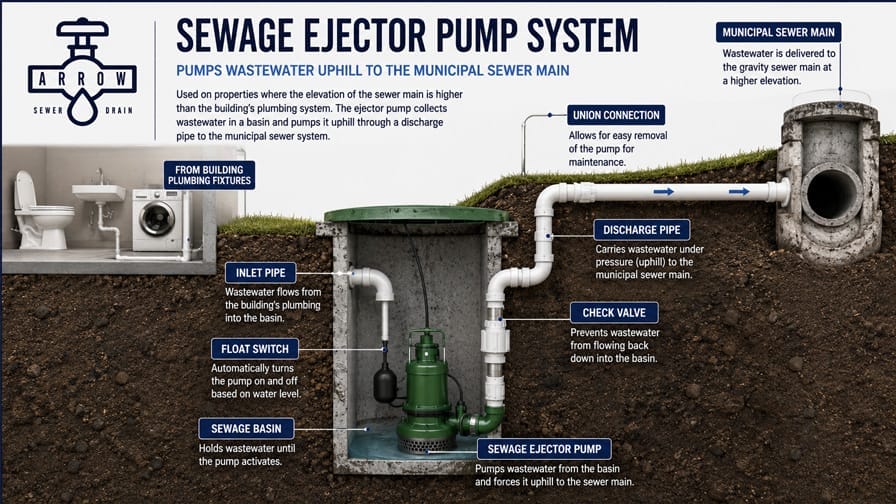
A sewage ejector pump system typically includes:
- A sealed sewage basin
- Sewage ejector pump equipment
- Float controls and activation systems
- Force main discharge piping
- Venting components
- Check valves and shutoff controls
When wastewater enters the basin, the pump activates automatically and forces sewage upward through the discharge piping until it reaches the gravity-fed municipal sewer system.
Sewage ejector pump installation services may involve:
- Installing new sewage ejector systems
- Replacing aging or failed pumps
- Installing sewage basins and discharge piping
- Evaluating discharge elevations and flow requirements
- Configuring force main connections
- Verifying wastewater discharge performance
These systems are designed to support reliable wastewater movement from lower-elevation plumbing systems to the municipal sewer infrastructure.
Restoring wastewater flow does not always confirm the full condition of the connected sewer infrastructure. In some situations, a sewer inspection for residential properties or CCTV sewer inspection for commercial properties may be recommended to evaluate connected piping and determine whether sewer repair or replacement, trenchless sewer repair, or excavation may also be necessary.
Why Do Some Properties Need Sewage Ejector Pumps?
Most sewer systems rely on gravity flow to move wastewater downhill toward the municipal sewer infrastructure. However, some properties, lower building elevations, or drainage systems are positioned below the elevation of the public sewer main. In these situations, wastewater cannot naturally flow downhill into the municipal sewer connection.
A sewage ejector pump system is used to pump wastewater upward under pressure until it reaches the gravity-fed sewer main.
Several conditions may create the need for sewage ejector pump installation, including:
- Properties built below sewer main elevation
- Lower-level plumbing systems beneath grade
- Municipal sewer mains positioned at higher elevations
- Site grading limitations
- Additions or renovations below existing sewer infrastructure
- Long discharge distances requiring force main systems
Additional problems can also affect sewage ejector pump performance over time, including:
- Pump wear and mechanical failure
- Float switch malfunctions
- Discharge line blockages
- Basin overloading
- Power interruptions
- Aging wastewater infrastructure
Identifying the full cause of wastewater backup conditions may require evaluation of the pump system, discharge piping, and connected sewer infrastructure.
Related Services
Sewage Ejector Pump Backup
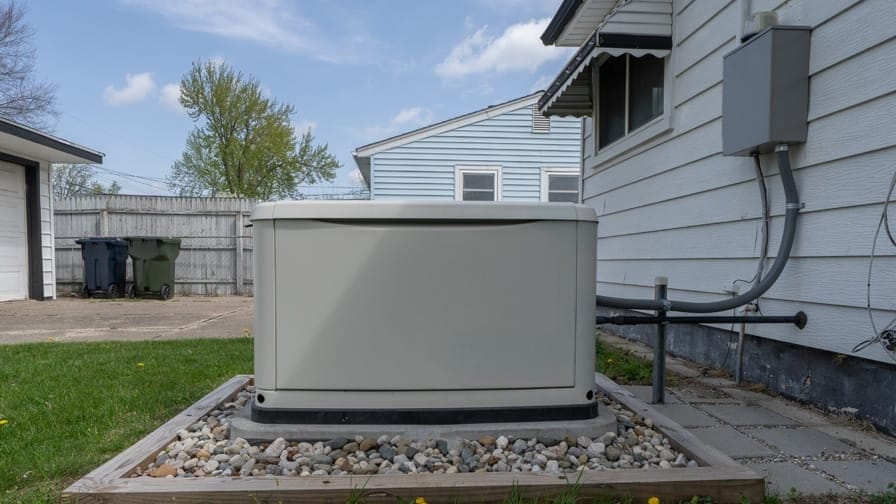
Keep sewage ejector pumps running during NJ power outages with dedicated backup generator connection service.
Backup Generator Service
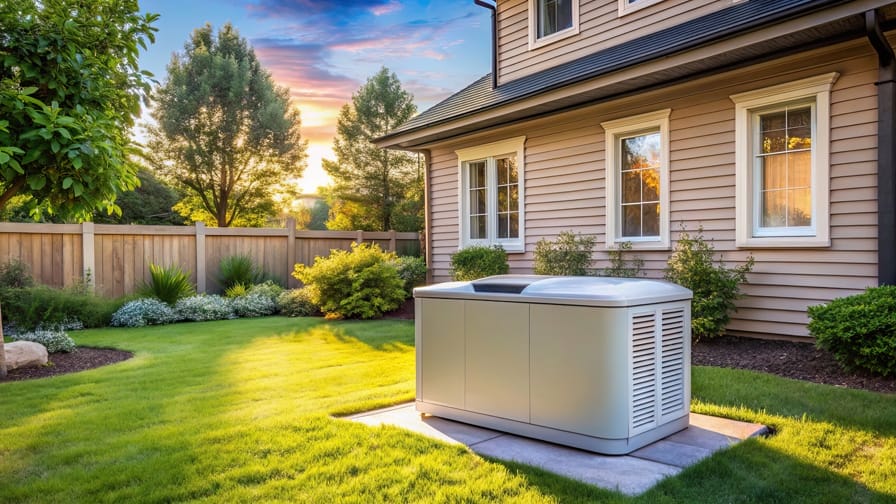
Whole-house standby generator installation including sump pump, ejector pump, and backwater valve protection.
Sewer Repair
Repairs damaged sewer lines through excavation or trenchless methods to restore proper wastewater flow and function.

Sewer Line Repair
Repairs the line most homeowners call the main - locating the failure on camera and fixing the section that's yours, by trenchless methods or targeted excavation.

Orangeburg Pipe Replacement
Removes deteriorated bituminous fiber sewer pipe. Restores structural integrity in aging NJ systems. Used when material failure is confirmed.

Trenchless Pipe Lining
Cured-in-Place Pipe (CIPP) lining is a leading trenchless sewer rehabilitation method used to restore damaged underground pipes.
Trenchless Pipe Replacement
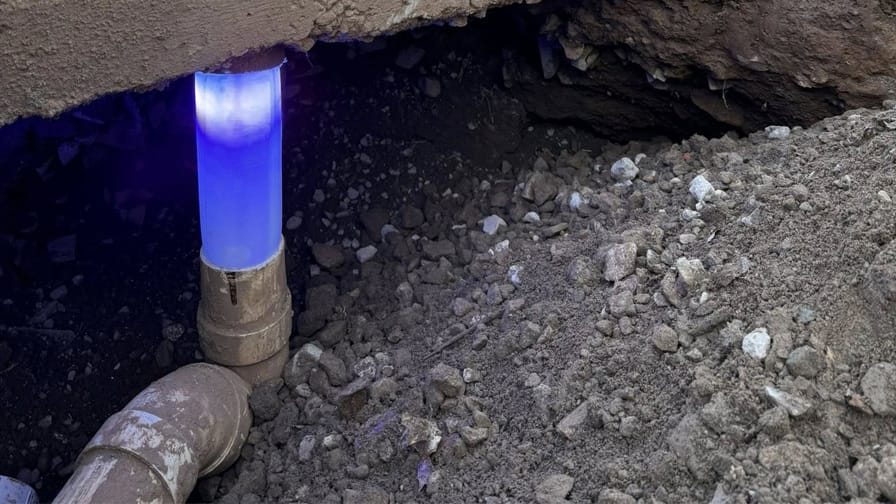
Trenchless pipe bursting is an advanced sewer replacement method that allows severely damaged underground pipes to be replaced.
Sewer Inspection
Provides interior video evaluation of sewer piping. Identifies cracks, offsets, corrosion, and root intrusion.

How to Determine if Your Property Needs a Sewage Ejector Pump
Wastewater systems normally rely on gravity to move sewage downhill toward the municipal sewer main. If your property sits below the elevation of the public sewer connection, gravity drainage alone may not be possible. These steps help identify when a sewage ejector pump system may be necessary, but proper evaluation is still required to confirm elevation conditions, discharge requirements, and sewer system configuration.
Step 1: Determine if the Property Sits Below the Sewer Main Elevation
Properties positioned lower than the municipal sewer main often cannot discharge wastewater by gravity alone. Lower building elevations, sloped lots, and below-grade drainage systems commonly require wastewater to be pumped uphill before reaching the public sewer connection.
Step 2: Look for Plumbing Fixtures Located Below Grade
Check whether lower-level plumbing fixtures, floor drains, or wastewater systems sit beneath the elevation of the outgoing sewer connection. If wastewater must travel upward before reaching the municipal sewer line, a sewage ejector pump system may be required.
Step 3: Watch for Repeated Wastewater Backup Conditions
Recurring sewage backups, slow wastewater discharge, basin overflows, or ejector pump alarm activation may indicate that the existing sewage ejector system is overloaded, failing, or improperly configured for the property’s discharge requirements.
Step 4: Evaluate Whether the Property Depends on Pumped Wastewater Discharge
Some properties rely entirely on pressurized wastewater discharge systems because gravity flow is not possible. If wastewater stops draining completely during pump failure, the property likely depends on a sewage ejector pump system for normal sewer operation.
Step 5: Confirm the System Configuration and Sewer Conditions
These signs may suggest that a sewage ejector pump system is necessary, but they do not confirm the condition of the connected sewer infrastructure. A sewer inspection for residential properties or CCTV sewer inspection for commercial properties may be recommended to evaluate connected piping and determine whether sewer repair or replacement, trenchless sewer repair, or excavation may also be necessary.
What Are the Benefits of Sewage Ejector Pump Installation?
Allows wastewater movement from lower elevations to the municipal sewer system
Supports properties where gravity drainage alone is not possible
Helps reduce sewage backup risks within lower building levels
Maintains reliable wastewater discharge performance
Supports safe operation of below-grade plumbing systems
Helps improve long-term drainage reliability for the property
How Arrow Performs Sewage Ejector Pump Installation
- System Assessment
We evaluate the property elevation, existing sewer infrastructure, wastewater discharge requirements, and pump system needs. - Drainage and Discharge Evaluation
Our team reviews discharge elevations, force main routing, basin placement, and wastewater flow requirements. - Pump System Installation
The sewage ejector pump system, basin, discharge piping, and control components are installed and configured for proper operation. - Operational Verification
We test system performance and verify that wastewater is properly discharged to the municipal sewer connection. - Cleanup and Final Review
The work area is cleaned and the completed sewage ejector system is reviewed with the property owner.
Why Choose Arrow Sewer & Drain for Sewage Ejector Pump Installation
- Experience working with complex sewer infrastructure systems
- Understanding of below-grade wastewater discharge requirements
- Knowledge of force main and pumped sewage systems
- Professional evaluation of sewer elevation conditions
- Emergency response availability for sewage backup conditions
- Coordinated approach for long-term wastewater management solutions
- Local service coverage throughout New Jersey
Financing For Your Sewage Ejector Pump Installation
Learn more about financing options for your sewage ejector pump installation.
Nearby Service Locations To Support You
Are you looking for Sewage Ejector Pump Installation in New Jersey? We can provide you service from:
Middlesex County, NJ
We serve Middlesex County from our offices in Middlesex, NJ and South Plainfield, NJ.
Somerset County, NJ
We serve Somerset County from our offices in Basking Ridge, NJ, and Bound Brook, NJ.
FAQs About Sewage Ejector Pump Installation
Why would a property need a sewage ejector pump?
Some properties sit below the elevation of the municipal sewer main, preventing wastewater from draining by gravity alone. A sewage ejector pump moves sewage uphill until it reaches the public sewer connection.
What does a sewage ejector pump do?
The pump moves wastewater from a lower-elevation sewage basin into a pressurized discharge line that connects to the gravity-fed municipal sewer system.
Can wastewater drain without an ejector pump?
Not on properties where the sewer infrastructure sits above the drainage elevation of the building or plumbing system.
What happens if a sewage ejector pump fails?
Wastewater may stop discharging from the property, increasing the risk of sewage backups and basin overflows within lower building levels.
How do you know if a sewage ejector pump is failing?
Common warning signs include alarm activation, slow wastewater discharge, sewage odors, intermittent backups, and repeated pump cycling issues.
Does installing a new ejector pump fix all sewer problems?
Not always. Connected sewer piping, discharge lines, or municipal connection issues may also require evaluation.
Can sewage ejector systems be installed in existing properties?
Yes. Many existing properties can be retrofitted with sewage ejector systems when gravity drainage alone is not possible.
 Call Now: (908) 472-3801
Call Now for Sewage Ejector Pump Installation in New Jersey
Properties positioned below municipal sewer main elevation often depend entirely on sewage ejector systems to maintain reliable wastewater discharge. When these systems fail or become overloaded, sewage backup conditions can quickly develop within lower building levels. Arrow Sewer & Drain provides sewage ejector pump installation services throughout New Jersey for properties requiring pumped wastewater discharge solutions.