Epoxy Pipe Lining In NJ
Epoxy pipe lining restores corroded sewer and drain pipes from the inside — a protective epoxy coating applied to the pipe wall that seals pinhole leaks, stops corrosion, and smooths rough, scaled surfaces without digging up your yard. For homeowners with aging cast iron lines, it's the least invasive form of epoxy pipe repair there is: if the camera confirms your pipe is structurally sound, the fix happens entirely inside the pipe you already have.
24/7 Emergency Epoxy Pipe Lining
Our team responds to sewer and drain emergencies across New Jersey, performs camera inspections, and determines whether epoxy pipe lining is the right repair — or whether your line needs something more.
Need Emergency Epoxy Pipe Coating?
Review our Trenchless Sewer Repair Special
NJ Master Plumber License # 36BI01352100
Call (908) 472-3801What Is Epoxy Pipe Lining?
Epoxy pipe lining — also called epoxy pipe coating — is a form of trenchless sewer repair that applies a continuous layer of epoxy directly to the interior wall of your existing pipe. After the line is cleaned and descaled, the epoxy is cast evenly across the wall, where it cures into a smooth, corrosion-proof barrier.
It’s worth being precise about what that means, because “lining” covers two different things in this industry. A cured-in-place liner is a structural sleeve — a new pipe built inside the old one. Sewer pipe coating is thinner and works differently: it protects and seals the wall your pipe still has rather than replacing it. That makes epoxy the earliest intervention on the trenchless ladder — and the one that preserves the most of your original system.
What Epoxy Coating Fixes — and What It Can’t
Sewer lines fail in predictable ways, and they split into two families: attacks on the pipe wall’s surface, and failures of the pipe’s structure or geometry. Epoxy coating lives entirely in the first family. A coating protects the wall a pipe still has — it can’t rebuild a wall that’s already gone.
Epoxy coating is the right repair for:
- Corroded, scaling cast iron. Cast iron pipe coating is the classic application: corrosion and scale buildup attack the wall surface from the inside, and epoxy stops that process where it stands.
- Pinhole leaks caught early. Small perforations from corrosion seal completely under a continuous coating.
- Rough interior walls. Scale and pitting snag paper and grease; the cured coating restores a smooth bore that keeps waste moving.
- Structurally sound pipe showing surface wear. When the camera confirms the wall is intact, coating adds decades of service life to the pipe you already own.
- Small-diameter drains and stacks. Epoxy works in branch lines and vertical stacks inside the house where larger equipment can’t go.
Epoxy coating is not the repair for:
- Structural cracks or broken sections. A cracked or broken pipe needs its wall rebuilt — that’s trenchless pipe lining, not coating.
- Bellies. A sag in the line is a geometry problem; coating the wall of a sagging pipe leaves the sag exactly where it was.
- Offset joints. An offset sewer line has moved out of alignment — no coating restores alignment.
- Deformed Orangeburg. Softened, ovaled Orangeburg can’t hold a coating; pipe bursting is the method for that material.
- Fully collapsed lines. When no open route remains, the answer is a new path via horizontal directional drilling.
- A failed tap connection. Where your lateral meets the main is repaired at the connection itself — see sewer lateral connection repair.
Not sure which family your problem falls into? Our trenchless method guide walks the full decision, method by method.
Trenchless Repairs for Every Pipe Condition
Epoxy coating is one repair on a longer ladder, and the camera decides which rung your line needs. If your pipe wall is past protecting, its structure failing, or the problem sits somewhere coating can't reach, one of these related services is the right fix — every one of them performed in-house by the same Arrow team.
Sewer Inspection
Provides interior video evaluation of sewer piping. Identifies cracks, offsets, corrosion, and root intrusion.

Trenchless Sewer Repair
Trenchless sewer repairs restore damaged underground sewer infrastructure without extensive excavation.

Trenchless Pipe Lining
Rebuilds structurally damaged sewer walls with a cured-in-place liner — the next step when coating isn't enough.
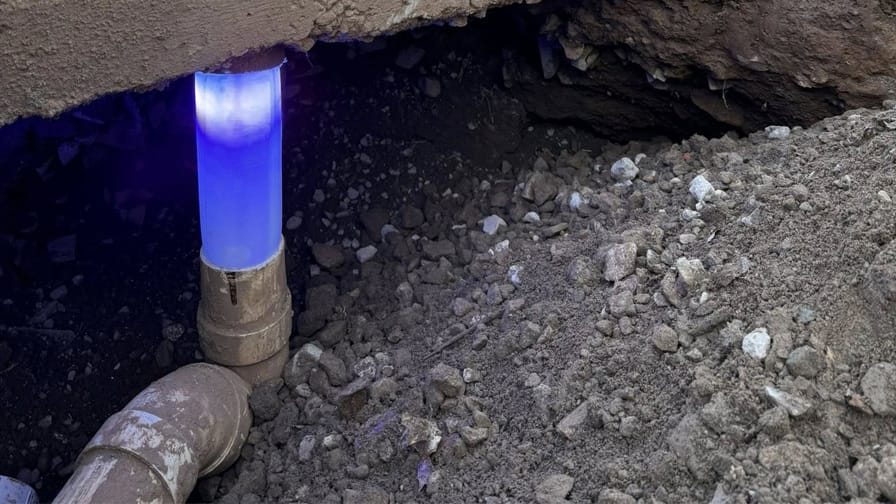
Trenchless Pipe Bursting
Pipe bursting replaces severely damaged sewer lines in place, including deformed Orangeburg laterals.
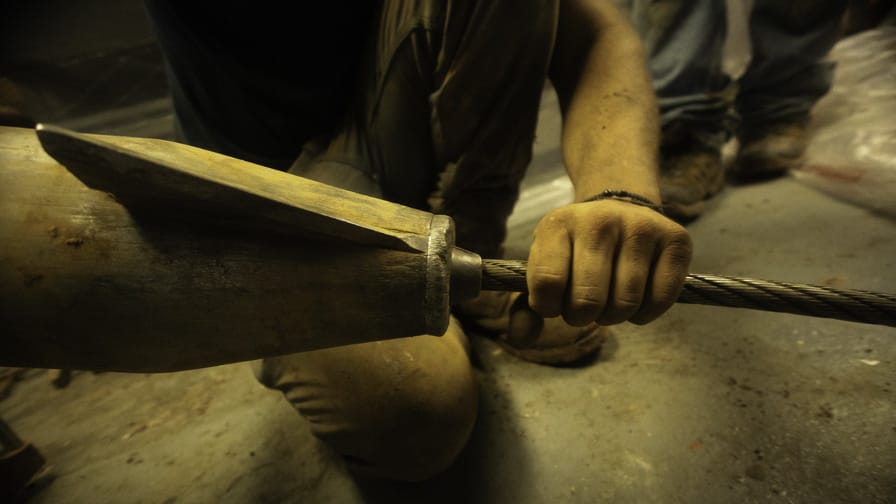
Horizontal Directional Drilling
Installs a new sewer line on a fresh bore path when the existing line no longer offers a followable route.
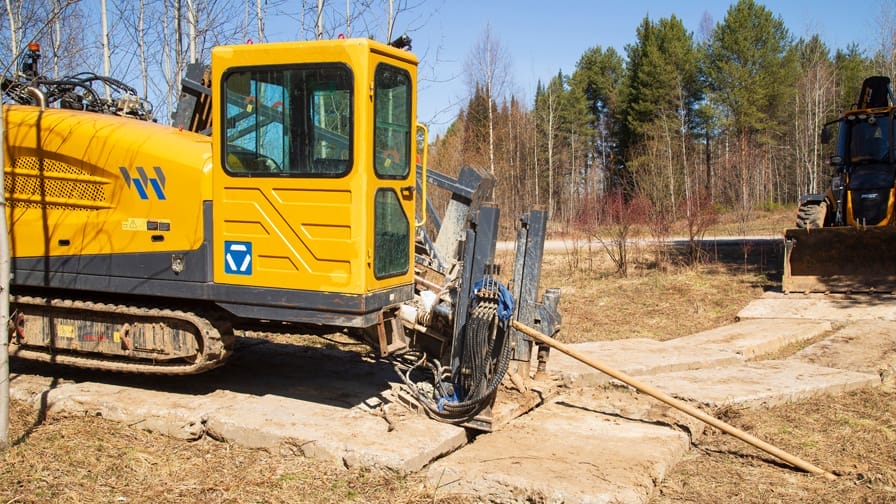
Main Sewer Line Repair
Repairs the line most homeowners call the main - your sewer lateral, from the foundation to the point of connection - and settles whether anything past the tap is the town's to fix.

Sewer Lateral Connection
Repairs failed tap connections where your lateral meets the main — the one point trenchless methods generally can't reach.

What Causes the Corrosion Epoxy Coating Repairs?
The damage epoxy coating addresses comes from inside the pipe — the slow chemistry and wear of decades of use:
- Mineral content and water chemistry attacking cast iron and galvanized walls from the inside, year after year
- Hydrogen sulfide from sewer gas corroding the crown of the pipe — the damage above the waterline you never see coming
- Scale buildup that roughens the bore, snags paper and grease, and accelerates pitting beneath it
- Chemical drain cleaners whose repeated use etches and weakens aging metal walls
- Decades of abrasion as grit and debris scour the wall surface with every flush
- Age-related wall thinning that ends in pinhole leaks — the last warning before structural damage begins
Cracking, root intrusion, joint separation, and settling are a different family of failure: they attack the pipe’s structure and geometry rather than its wall surface, and no coating repairs them. That’s the line the camera inspection draws — surface damage gets coated, structural damage gets rebuilt.
All six stay in the wall-surface family, so the can/can’t-fix split downstream keeps its clean boundary. The crown-corrosion and drain-cleaner bullets are the two additions doing real work — both are common in older NJ cast iron and neither appears anywhere else on the site.
The Benefits of Epoxy Sewer Lining
No excavation, no pit digging — the least disruptive repair in the trenchless family, with access through existing cleanouts and openings
Your original pipe stays in service — nothing is removed, nothing is replaced
Smooth, seamless finish that restores flow through the full run
Denies scale a surface to rebuild on, so the buildup that choked the line doesn't return
Keeps nearly full internal diameter — the cured coating is thin, unlike a structural liner
Works in small-diameter lines, covering the drains and stacks inside your house — not just the lateral under your lawn
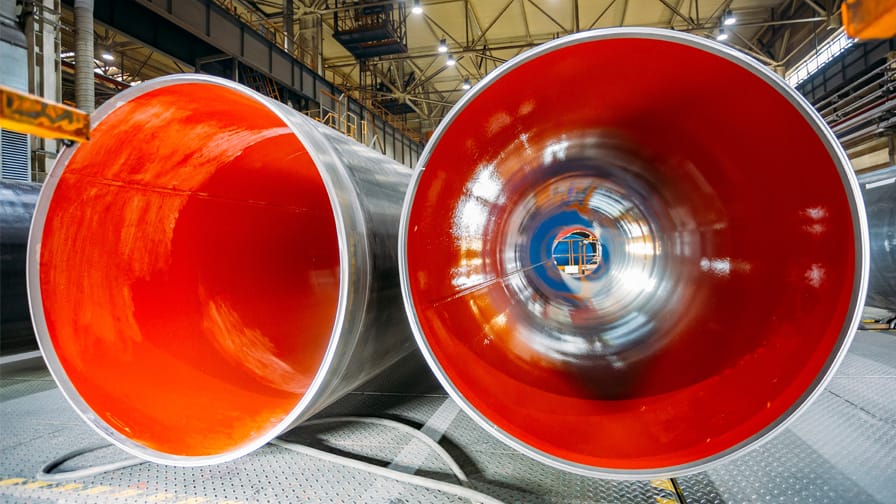
Where Epoxy Fits in Your Sewer System
Your home’s wastewater path runs from the plumbing at the foundation, through the lateral crossing your yard, to the tap where it joins the municipal main. Epoxy sewer pipe lining works anywhere along that run where the pipe is continuous and sound — including the indoor stacks and branch drains upstream of the lateral, which is territory most trenchless methods can’t serve at all.
The boundary is the same one every trenchless method shares: the tap is the one point these methods generally can’t reach, and a failed connection is repaired at the connection.
How Arrow Applies Epoxy Pipe Coating
- Assessment. A detailed sewer camera inspection confirms the pipe wall is structurally sound and continuous — the condition coating requires.
- Cleaning and descaling. The line is cleaned back to bare wall, removing scale, buildup, and debris so the epoxy bonds to pipe, not to grime.
- Drying and preparation. The pipe interior is dried and prepped; epoxy needs a clean, dry wall to cure correctly.
- Coating application. Epoxy is cast evenly across the interior wall in a continuous layer, then left to cure into a hard, seamless barrier.
- Final verification. A post-application camera pass confirms complete, even coverage before we call the job done.
Why Hire Arrow for Epoxy Pipe Lining?
Epoxy coating is the least expensive rung on the trenchless ladder — which means a company that only sells liners or replacement has no reason to offer it. Arrow performs every trenchless method in-house, so the camera picks the fix, not the inventory. When coating is what your line needs, coating is what we’ll recommend.
- Serving New Jersey homeowners since 2003 — two decades of sewer and drain work across the state
- NJ Master Plumber License # 36BI01352100 — fully licensed, every job
- Rated Excellent on Google by the homeowners we’ve worked for
- Every trenchless method in-house — coating, lining, bursting, and directional drilling, so the recommendation follows the camera, not the truck
- A verification pass on every job — a post-application camera inspection confirms complete, even coverage before we call it done
- Told you need a full replacement? Get a second opinion — if coating can save your pipe, we’ll show you on camera
Costs and Financing for Epoxy Pipe Lining
Cost follows the condition, not the calendar: the length of pipe, the amount of descaling required, and the access points available shape the price more than anything else. That’s why every estimate follows the camera inspection — we price what your line needs, not a guess.
You can see how epoxy compares to other repair approaches in our NJ sewer repair cost guide, and financing options are available for qualified homeowners.
Nearby Service Locations To Support You
Are you looking for Epoxy Pipe Coating in New Jersey? We can provide you service from:
Middlesex County, NJ
We serve Middlesex County from our offices in Middlesex, NJ and South Plainfield, NJ.
Somerset County, NJ
We serve Somerset County from our offices in Basking Ridge, NJ, and Bound Brook, NJ.
FAQs About Our Epoxy Pipe Lining
Does epoxy pipe lining repair structural damage?
No. Coating protects and seals a wall that’s still intact — it addresses corrosion, scale, and pinhole leaks. Cracked, broken, sagging, or misaligned pipe is a structural problem, and structural problems call for a cured-in-place liner or replacement. The camera inspection tells us which side of that line your pipe is on.
What’s the difference between epoxy pipe lining and trenchless pipe lining?
Epoxy coating is a protective layer cast onto your existing pipe wall; a cured-in-place liner is a structural sleeve that becomes a new pipe inside the old one. Coating preserves your pipe; lining rebuilds it. Which one your line needs depends entirely on the condition of the wall.
How long does epoxy pipe coating last?
Applied to structurally sound pipe, a cured epoxy coating provides decades of additional service life. The coating’s lifespan depends on the wall beneath it — which is exactly why we verify wall condition on camera before recommending it.
How much does epoxy pipe lining cost?
It depends on the length of the run, the descaling work required, and access — which is why estimates follow the camera inspection rather than precede it. Coating is typically among the most economical trenchless repairs because your existing pipe stays in service.
Can epoxy line the drains inside my house?
Yes. Epoxy drain lining is one of the few trenchless repairs suited to small-diameter branch lines and vertical stacks, which makes it a strong option for corroded cast iron inside older New Jersey homes — no walls opened, no pipe replaced.
If water flows again after cleaning, is the pipe fixed?
Not necessarily. Descaling restores flow, but it also exposes the corroded wall underneath — and corrosion resumes on bare metal. Coating after cleaning is what makes the repair durable: the cleaning restores the bore, and the epoxy keeps it that way.
 Call Now: (908) 472-3801
Call Now for Epoxy Pipe Lining in New Jersey
If your cast iron sewer or drain lines are corroding from the inside, coating them now costs far less than replacing them later. Arrow is the epoxy pipe lining company New Jersey homeowners call to save the pipe they already have — schedule your camera inspection today.