New Jersey French Drain Installation
French drain installation is a subsurface drainage system designed to collect groundwater at the foundation footing and direct it to a sump pump basin for discharge away from the structure. In New Jersey, French drains are commonly used to address wet basements, hydrostatic pressure, foundation seepage, and elevated groundwater conditions affecting both residential and commercial properties.
24/7 Emergency French Drain Installation
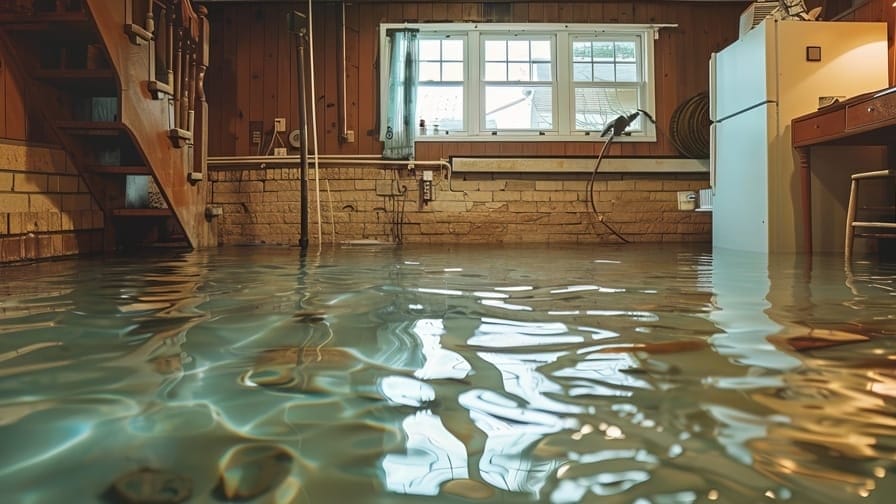
Basement water intrusion can quickly become an emergency when groundwater enters faster than the structure can drain naturally. Heavy rainfall, sump pump failure, rising groundwater conditions, and hydrostatic pressure buildup can all lead to standing water, damaged flooring, foundation deterioration, and moisture-related issues inside the property.
Emergency French drain service is often requested when:
- Water is actively entering along the slab-wall seam
- Basement flooding occurs during storms
- Existing drainage systems stop functioning properly
- Hydrostatic pressure forces water through foundation cracks
- Sump basins overflow during heavy rainfall
- Groundwater conditions overwhelm the existing drainage system
Initial service focuses on stabilizing water conditions and identifying where the water is entering the structure.
Need Emergency French Drain Installation?
Permanent drainage correction decisions are typically made after evaluating the footing depth, groundwater behavior, sump system capacity, and overall drainage conditions affecting the property.
Call Arrow Sewer and Drain for emergency French drain installation and basement drainage evaluation in New Jersey.
NJ Master Plumber License # 36BI01352100
Call (908) 472-3801What Is French Drain Installation?
French drain installation is a subsurface drainage system installed along the interior perimeter of a basement at the depth of the foundation footing. The system collects groundwater where the foundation wall meets the basement slab and redirects it through a perforated drainage pipe toward a sump basin for discharge away from the structure.
This system is also commonly referred to as:
- Interior French drain
- Basement perimeter drain
- Footing drain system
French drains are designed to relieve hydrostatic pressure that builds against the foundation during wet weather or elevated groundwater conditions. In Central New Jersey, clay-heavy soil conditions often retain moisture and slow natural drainage, increasing pressure against basement walls and slabs. Properties near the Raritan River and surrounding waterways may also experience elevated groundwater conditions that contribute to recurring basement seepage.
French drain installation helps manage:
- Groundwater intrusion
- Basement seepage
- Water entering along slab seams
- Saturated footing conditions
- Hydrostatic pressure buildup
French drain systems do not waterproof the exterior foundation wall itself, nor do they stop exterior groundwater from reaching the structure. Instead, they manage water once it reaches the footing level by creating a controlled collection and discharge pathway.
Because every property experiences different soil, groundwater, and drainage conditions, restoring basement drainage does not always confirm the overall condition of the surrounding drainage infrastructure. In some situations, evaluation of additional drainage pathways, stormwater conditions, or underground discharge routing may still be recommended to determine whether additional drainage correction, excavation, or exterior drainage improvements are necessary.
Signs You Need French Drain Installation
- Water seeping along basement walls or slab seams
- Damp or saturated basement flooring after rainfall
- White mineral staining near the base of foundation walls
- Standing water forming near basement perimeter walls
- Musty odors caused by recurring moisture intrusion
- Existing sump pumps running constantly during storms
- Basement flooding during periods of heavy rainfall
- Cracks developing near foundation wall seams
- Persistent groundwater conditions suggesting deeper drainage or structural issues
Related Services
French drain systems often work alongside additional drainage and groundwater control solutions depending on overall property conditions.
Sump Pump Installation
Installs systems that actively remove groundwater and collected water from basements or low-lying areas to prevent flooding and saturation.

Basement Waterproofing
Basement waterproofing contractor serving Central New Jersey with interior drainage, exterior membranes, and sump pump systems.
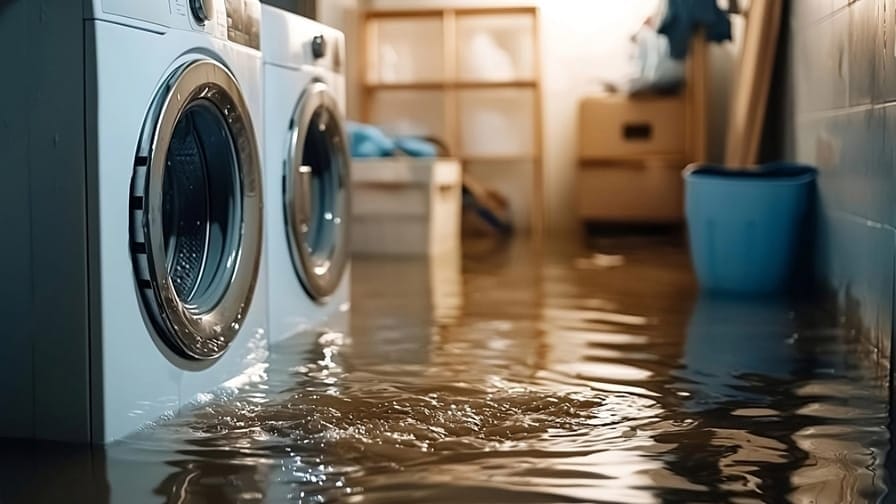
Drainage Contracting
Professional drainage solutions designed to control water flow, protect property, and prevent long-term structural damage.

Stormwater Management
Controls surface water runoff through drainage systems designed to manage flow, prevent pooling, and protect surrounding structures.

Sump Pump Backup Generator Connection
Protect your basement from flooding with reliable sump pump backup generator connection during power outages.
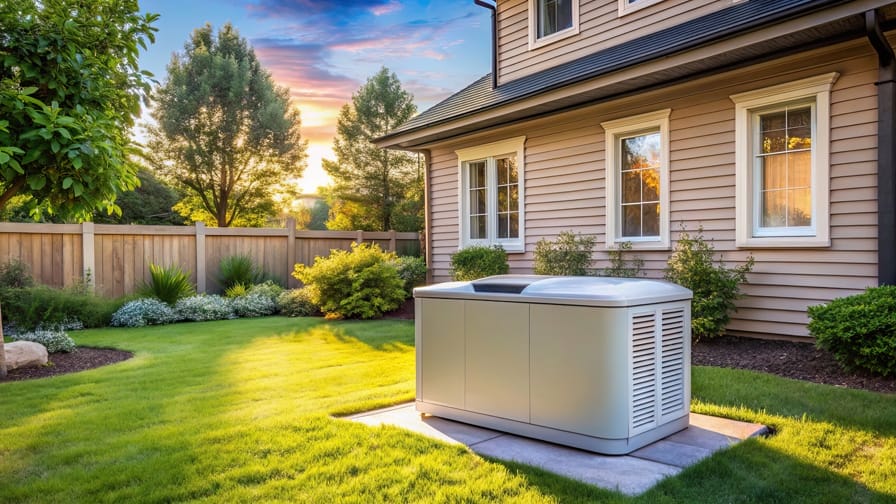
Backup Generator Service
Whole-house standby generator installation including sump pump, ejector pump, and backwater valve protection.
What Causes Basement Water Intrusion?
Basement water intrusion usually develops when groundwater pressure exceeds the ability of surrounding soil to naturally drain water away from the foundation. In New Jersey, clay-heavy soil conditions often retain moisture for extended periods, increasing hydrostatic pressure against basement walls and slabs.
Several underlying conditions may contribute to these drainage problems, including:
- Saturated clay soil surrounding the structure
- Elevated groundwater levels
- Improper grading near the foundation
- Foundation settling or shifting
- Cracking in basement walls or slab seams
- Blocked or deteriorated footing drains
- Stormwater accumulation near the structure
- Soil movement caused by freeze-thaw cycles
- Root intrusion affecting underground drainage pathways
Long-term groundwater exposure may also contribute to deterioration of surrounding underground drainage systems, including corrosion, scale buildup, offsets, partial collapse, or shifting within underground piping infrastructure connected to sump discharge or drainage routing systems.
Because multiple drainage conditions can produce similar symptoms, identifying the exact source of water intrusion often requires professional evaluation of the property’s drainage behavior, groundwater conditions, and foundation system.
What Are the Benefits of French Drain Installation?
Helps relieve hydrostatic pressure against the foundation
Redirects groundwater away from the basement slab
Reduces recurring basement seepage conditions
Supports long-term basement moisture control
Integrates with sump pump discharge systems
Helps protect finished basement areas and stored belongings
How Arrow Performs French Drain Installation
Foundation & Drainage Assessment
Arrow evaluates how water is entering the basement, where hydrostatic pressure is forming, how the footing is positioned, and how groundwater behaves around the structure.
Drainage Diagnostics & System Evaluation
The basement perimeter, slab condition, sump basin configuration, discharge routing, and surrounding drainage conditions are evaluated to determine the appropriate drainage design and whether additional drainage correction or excavation may be necessary.
French Drain Installation
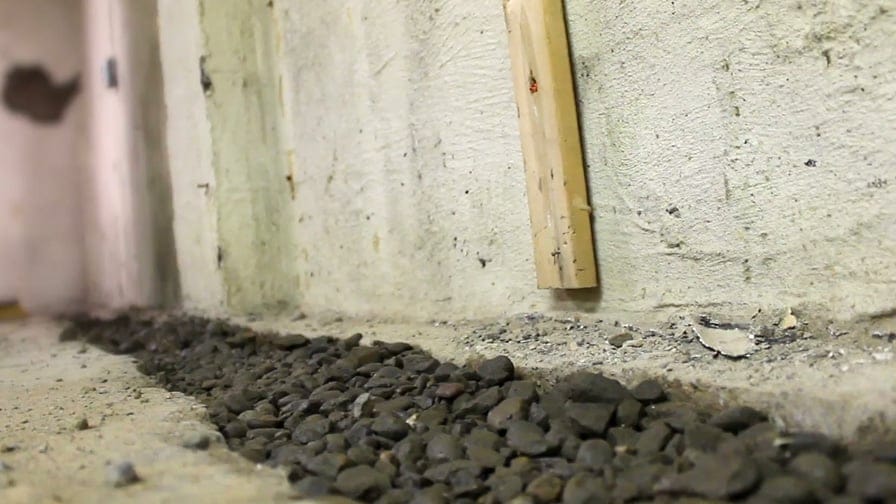
Sections of the basement slab are opened along the perimeter, trenches are excavated to footing depth, filter fabric and washed gravel are installed, and perforated drainage piping is placed with proper slope toward the sump basin.
Sump Integration & Verification
The system is tied into the sump basin and discharge pathway. Water flow, trench slope, sump operation, and drainage performance are reviewed to confirm the system is functioning properly.
Slab Restoration & Cleanup
Concrete restoration is completed along the trench path and the work area is cleaned following installation.
Why Choose Arrow Sewer & Drain for French Drain Installation
- Experience with Central New Jersey groundwater and soil conditions
- Understanding of hydrostatic pressure and footing-level drainage systems
- Proper footing-depth installation methods
- Integrated sump pump and discharge system planning
- Experience working within finished and unfinished basements
- Long-term drainage performance focus
- Professional slab restoration following installation
- Drainage system designs tailored to property-specific conditions
Financing For Your French Drain Installation
Get Pre-Qualified Today So our trained professionals can help with your French drain installation.
Nearby Service Locations To Support You
Are you looking for French Drain Installation in New Jersey? We can provide you service from:
Middlesex County, NJ
We serve Middlesex County from our offices in Middlesex, NJ and South Plainfield, NJ.
Somerset County, NJ
We serve Somerset County from our offices in Basking Ridge, NJ, and Bound Brook, NJ.
Frequently Asked Questions About French Drain Installation
How deep should a French drain be installed?
Interior basement French drains are typically installed at or slightly below the foundation footing depth so groundwater can be intercepted before pooling beneath the slab.
Does French drain installation waterproof the basement?
No. French drain installation manages groundwater after it reaches the footing level. It does not completely prevent exterior groundwater from reaching the foundation wall itself.
Does installing a French drain guarantee all basement water problems are permanently solved?
Not necessarily. Basement water intrusion can involve multiple contributing factors including groundwater conditions, stormwater runoff, grading issues, sump performance, or structural foundation conditions that may require additional evaluation.
When is excavation necessary during French drain projects?
Excavation may become necessary when exterior drainage pathways, discharge routing, collapsed drainage lines, or surrounding foundation conditions prevent the system from draining properly.
Can French drain systems work without a sump pump?
Interior basement French drains typically rely on a sump pump to actively discharge collected groundwater away from the structure.
What are common French drain installation mistakes?
Common issues include improper trench slope, missing filter fabric, low-quality gravel, undersized sump systems, poor discharge routing, and incorrect pipe placement.
How long do French drain systems last?
A properly installed French drain system using washed gravel, quality materials, and proper sump integration can often function for decades with ongoing sump pump maintenance.
Do clay soils affect French drain performance?
Yes. Clay-heavy soils common throughout Central New Jersey retain moisture longer and increase hydrostatic pressure against foundations, which is one reason French drain systems are frequently needed in the region.
 Call Now: (908) 472-3801
Call Now for French Drain Installation in New Jersey
French drain installation requires more than simply placing drainage pipe beneath the basement floor. Proper drainage correction depends on understanding groundwater behavior, hydrostatic pressure conditions, footing depth, sump discharge requirements, and long-term water management around the structure. Arrow Sewer & Drain provides professional French drain installation throughout New Jersey designed to help control groundwater intrusion and protect basement spaces long-term.