Basement Waterproofing Contractor
Basement waterproofing helps protect below-grade areas from groundwater intrusion, hydrostatic pressure, vapor penetration, and recurring basement seepage. In Central New Jersey, older foundations, clay-heavy soils, seasonal groundwater saturation, and freeze-thaw movement can all contribute to basement moisture problems that gradually worsen over time.
24/7 Emergency Basement Waterproofing
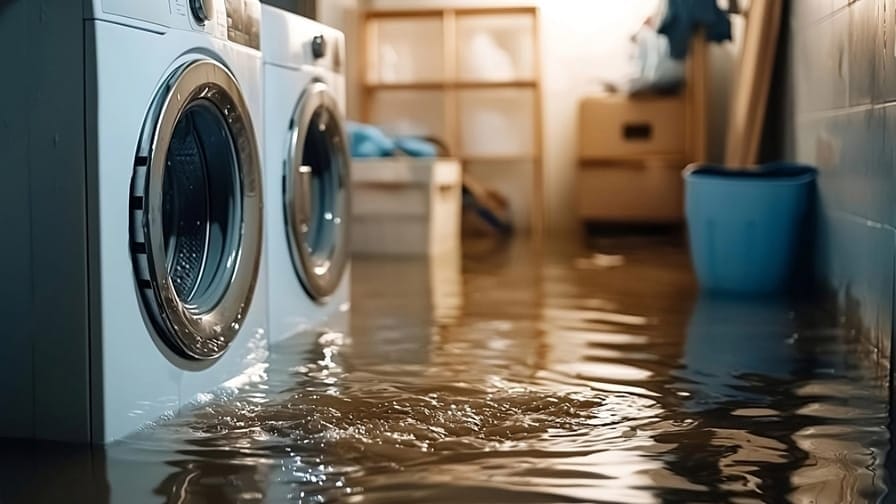
Active basement water intrusion can quickly damage flooring, drywall, framing, electrical systems, storage areas, and finished basement spaces. During heavy rainfall, groundwater saturation, or sump pump failure, hydrostatic pressure beneath and around the foundation can force water through slab seams, wall cracks, pipe penetrations, and porous masonry surfaces.
Emergency basement waterproofing may become necessary when:
- Water is actively entering the basement
- Sump pumps fail during storms
- Basement walls begin leaking under pressure
- Flooding threatens finished areas
- Drainage systems become overwhelmed
- Foundation seepage accelerates during rainfall
Need Emergency Basement Waterproofing?
In Middlesex County and Somerset County, many homes experience recurring basement seepage due to clay soils that retain water and increase pressure against below-grade foundation walls.
Properties located near older drainage infrastructure, low-lying elevations, or areas impacted by Raritan River groundwater conditions may experience increased seasonal moisture problems.
NJ Master Plumber License # 36BI01352100
Call (908) 472-3801What Is Basement Waterproofing?
Basement waterproofing refers to a combination of drainage control, moisture management, foundation protection, and groundwater mitigation methods designed to reduce water intrusion into below-grade spaces.
Water can enter a basement through:
- Foundation wall cracks
- Slab-wall seams
- Floor penetrations
- Porous concrete surfaces
- Hydrostatic pressure beneath the slab
- Exterior grading and drainage failures
Basement waterproofing systems are typically divided into three categories:
- Interior waterproofing systems
- Exterior waterproofing systems
- Drainage-based waterproofing systems
The correct approach depends on:
- Foundation construction
- Soil conditions
- Water entry location
- Finished basement conditions
- Existing drainage infrastructure
- Long-term groundwater behavior
Many waterproofing projects involve multiple components working together, including French drain installation, sump pump installation, vapor barriers, grading corrections, and stormwater management improvements.
The Three Types of Basement Waterproofing
Interior Sealants & Coatings
Interior waterproofing products such as crystalline coatings, hydraulic cement, and waterproof wall sealants are typically used to address minor moisture penetration or isolated seepage conditions. These materials help resist moisture migration through masonry surfaces but do not relieve hydrostatic pressure beneath the slab or outside the foundation wall.
Interior Drainage Systems
Interior drainage systems collect water after it reaches the foundation perimeter and redirect it toward a sump basin for discharge. These systems commonly include:
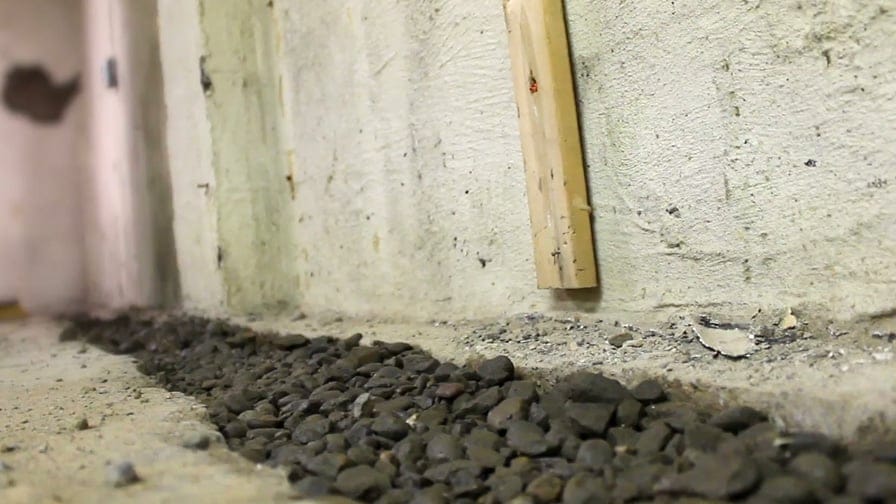
- French drain installation
- Sump pump installation
- Vapor barriers
- Drainage channels
- Gravel drainage systems
Interior systems are often the most practical waterproofing option for existing homes because they can be installed without exterior excavation.
Exterior Waterproofing Systems
Exterior waterproofing involves excavation around the foundation to expose below-grade walls and apply:
- Waterproof membranes
- Drainage board systems
- Exterior footing drains
- Crack sealing materials
- Foundation drainage protection
Exterior systems stop water before it reaches the foundation wall but typically require more extensive excavation and site restoration.
Related Services
These related services help address groundwater control, drainage management, sump system reliability, and long-term basement moisture protection. The appropriate solution often depends on how water enters the property, foundation conditions, and the overall drainage infrastructure surrounding the home.
French Drain Installation
Professional French drain installation for groundwater control, hydrostatic pressure relief, and long-term basement drainage protection.
Sump Pump Installation
Installs systems that actively remove groundwater and collected water from basements or low-lying areas to prevent flooding and saturation.

Drainage Contracting
Professional drainage solutions designed to control water flow, protect property, and prevent long-term structural damage.

Stormwater Management
Controls surface water runoff through drainage systems designed to manage flow, prevent pooling, and protect surrounding structures.

Sump Pump Backup Generator Connection
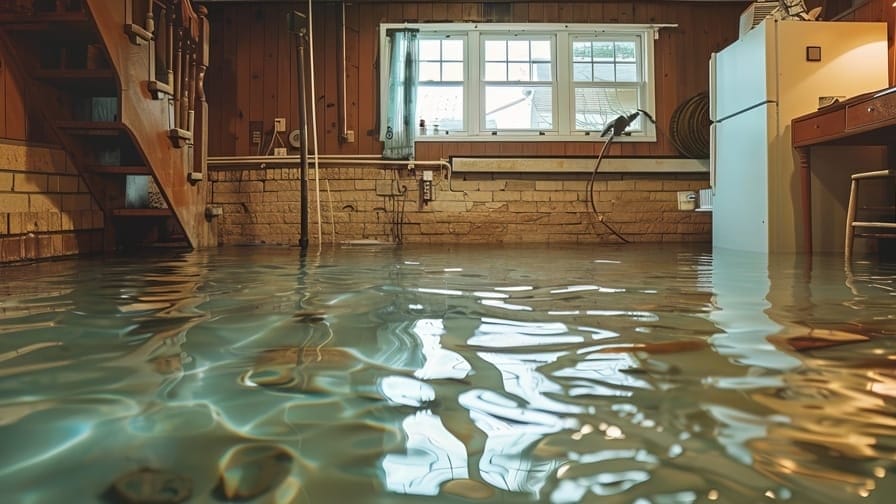
Protect your basement from flooding with reliable sump pump backup generator connection during power outages.
Backup Generator Service
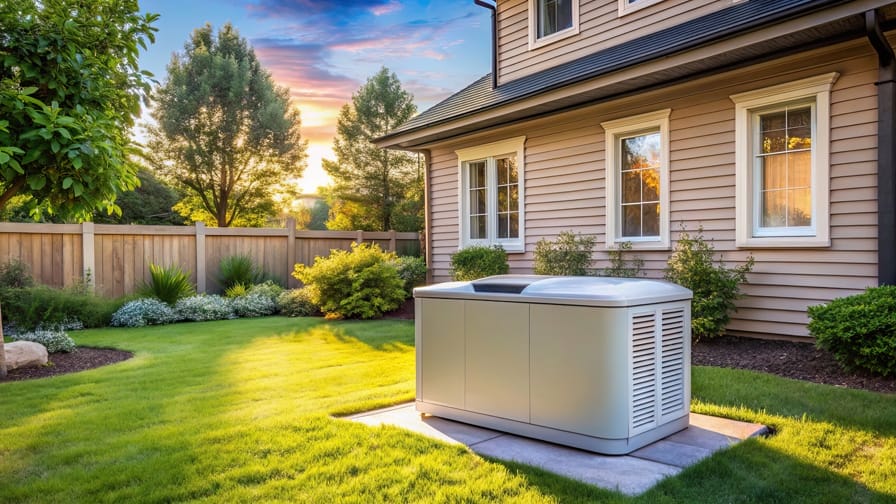
Whole-house standby generator installation including sump pump, ejector pump, and backwater valve protection.
How Arrow Performs Basement Waterproofing
Site Assessment
Arrow evaluates basement conditions, foundation construction, grading patterns, groundwater behavior, and visible seepage locations to determine how water is entering the structure.
Drainage & Moisture Diagnostics
When appropriate, drainage pathways, sump performance, slab conditions, wall seepage, hydrostatic pressure symptoms, and related drainage infrastructure are evaluated to determine whether waterproofing, drainage correction, or additional structural work may be necessary.
Waterproofing System Installation
Interior drainage systems, sump pumps, vapor barriers, wall protection systems, exterior membranes, grading corrections, or related waterproofing components are installed based on the property conditions and selected waterproofing strategy.
Verification & Water Management Review
Drainage flow, sump discharge routing, water collection pathways, and moisture management performance are reviewed after installation to confirm proper operation.
Restoration & Final Cleanup
Affected work areas are restored as needed and the waterproofing system is reviewed with the property owner.
Common Basement Waterproofing Mistakes
Applying sealants where active hydrostatic pressure is forcing water through the foundation
Installing drainage systems without proper slope toward the sump basin
Using undersized sump pumps that cannot handle heavy groundwater conditions
Discharging sump lines too close to the home’s foundation or basement walls
Ignoring grading, gutter drainage, or roof runoff contributing to water intrusion
Failing to provide backup power protection for sump pump systems during severe storms or utility outages
Interior vs Exterior Basement Waterproofing
Exterior waterproofing is generally considered the more comprehensive approach because it intercepts groundwater before it reaches the foundation wall. However, exterior waterproofing often requires:
- Large-scale excavation
- Landscape disruption
- Driveway removal
- Access around the full foundation perimeter
Interior basement waterproofing is less invasive and allows water to be collected and redirected once it reaches the footing level. Interior systems are often preferred for:
- Existing homes
- Finished basements
- Limited exterior access
- Older Central New Jersey neighborhoods
- Properties with patios, additions, or tight lot lines
Interior waterproofing does not stop groundwater from reaching the foundation itself, but it effectively manages water intrusion within the basement environment when properly designed and installed.
Signs You Need Basement Waterproofing
Common signs that basement waterproofing may be necessary include:
- Water entering along basement walls
- Damp or musty odors
- White mineral deposits on foundation walls
- Water seepage near slab seams
- Basement wall cracking
- Standing water after rainfall
- Mold or mildew development
- Bubbling paint or wall coatings
- High basement humidity
- Repeated sump pump cycling
- Flooring damage in finished basements
- Groundwater seepage during storms
These conditions often indicate developing groundwater pressure or drainage deficiencies that require professional evaluation.
Why Choose Arrow Sewer & Drain
Arrow Sewer & Drain understands how Central New Jersey soil conditions, groundwater behavior, older foundations, and seasonal drainage patterns impact basement waterproofing performance over time.
Our waterproofing evaluations focus on:
- Long-term groundwater management
- Proper drainage pathways
- Structural compatibility
- Foundation moisture control
- Realistic waterproofing methods
- Drainage integration
- Site-specific conditions
We approach basement waterproofing as part of a larger drainage and groundwater management system rather than relying on isolated surface treatments alone.
Basement Waterproofing Financing
Financing options may be available for qualifying basement waterproofing projects. Financing availability depends on project scope, property conditions, and approval requirements.
Nearby Service Locations To Support You
Are you looking for Basement Waterproofing in Central New Jersey? We can provide you service from:
Middlesex County, NJ
We serve Middlesex County from our offices in Middlesex, NJ and South Plainfield, NJ.
Somerset County, NJ
We serve Somerset County from our offices in Basking Ridge, NJ, and Bound Brook, NJ.
Frequently Asked Questions About Basement Waterproofing
What is the best waterproofing method for a basement?
There is no single best waterproofing method. The correct solution depends on how water enters the structure, soil conditions, foundation construction, and whether hydrostatic pressure is present.
What are the three types of basement waterproofing?
The three main categories are interior sealants and coatings, interior drainage systems, and exterior waterproofing systems.
Is interior basement waterproofing worth it?
Interior waterproofing is often worth the investment when recurring seepage, groundwater intrusion, or hydrostatic pressure threatens basement usability or finished spaces.
Is exterior waterproofing better than interior waterproofing?
Exterior waterproofing is generally more comprehensive because it intercepts groundwater before it reaches the foundation wall, but it is also more invasive and expensive.
How long does basement waterproofing last?
A properly installed waterproofing system can function reliably for decades when drainage pathways, sump systems, and discharge lines are properly maintained.
Will basement waterproofing stop all moisture permanently?
No waterproofing material or system can realistically guarantee permanent protection under all conditions. Long-term performance depends on installation quality, drainage behavior, soil movement, and ongoing maintenance.
 Call Now: (908) 472-3801
Call Now for Fast Basement Waterproofing
Arrow Sewer & Drain provides structured basement waterproofing services designed to address groundwater intrusion, hydrostatic pressure, and long-term basement moisture conditions throughout Central New Jersey. Our team evaluates drainage behavior, foundation conditions, and water entry pathways to determine the most appropriate waterproofing strategy for the property. Whether the project involves interior drainage systems, sump pump installation, exterior waterproofing, or related drainage correction, our goal is to provide technically sound solutions focused on long-term water management and basement protection.