New Jersey Sewer Backwater Valve Installation
Sewer backwater valve installation helps reduce the risk of wastewater reversing back into a property during sewer overload conditions, downstream blockages, municipal surcharging events, or sewage backup caused by heavy stormwater entering the sewer system.
24/7 Emergency Sewer Backwater Valve Installation
Emergency sewer backup conditions can develop quickly during heavy rainfall, flooding, downstream obstruction, municipal sewer overload, stormwater surcharging, or major sewer line failure.
Basement sewage backups and overflowing sewer cleanouts are often early warning signs that wastewater is reversing through the drainage system during these events.
Properties with lower-level plumbing fixtures, basement drains, below-grade restrooms, laundry areas, mechanical rooms, or exposed sewer cleanouts are typically the most vulnerable to sewage intrusion when stormwater places excessive pressure on the sewer system.
Review our Trenchless Sewer Repair Special
Need Emergency Sewer Backwater Valve Installation?
For emergency sewer service in New Jersey, call Arrow Sewer and Drain to stabilize the active sewer condition and reduce the immediate backup risk.
NJ Master Plumber License # 36BI01352100
Call (908) 472-3801What Is Sewer Backwater Valve Installation?
Sewer backwater valve installation involves placing a one-way protective valve within the building sewer system to help reduce reverse wastewater flow into the property. The valve allows wastewater to leave the structure under normal conditions. When wastewater begins pushing backward from the sewer system, the valve is designed to close and help block reverse flow.
Backwater valves are often considered for properties with finished basements, lower-level bathrooms, floor drains, laundry areas, or commercial spaces with below-grade plumbing. They may also be useful for buildings located in low-lying areas, flood-prone neighborhoods, or older municipalities where sewer surcharging is more common during storms.
A backwater valve helps manage reverse flow risk, but it does not repair the sewer line itself. If the sewer pipe has root intrusion, cracking, corrosion, offsets, scale buildup, or collapse, those conditions may still need to be corrected.
Restoring wastewater flow does not confirm the structural condition of the sewer line. A sewer inspection for residential properties or CCTV sewer inspection for commercial properties may be recommended to evaluate the pipe interior and determine whether trenchless sewer repair, sewer repair or replacement, or excavation may be necessary.
A sewer backup risk often increases when underground infrastructure becomes restricted, unstable, or overloaded.
Backwater Valve Guide:
For a deeper look at how a backwater valve actually protects against flood-driven sewer backups — what separates an automatic flap-style valve from a manual gate, how NJ permit and rebate programs affect installation cost, and why annual inspection matters as much as the install itself — see our complete guide to backwater valves and how they prevent flood-driven sewer backups.
Related Services
Additional sewer protection, drainage, and wastewater management services may be recommended depending on the condition of the sewer system and the overall backup risk affecting the property.
Sewage Ejector Pump Installation
Sewage ejector pump systems move wastewater uphill to municipal sewer mains from lower-elevation properties.
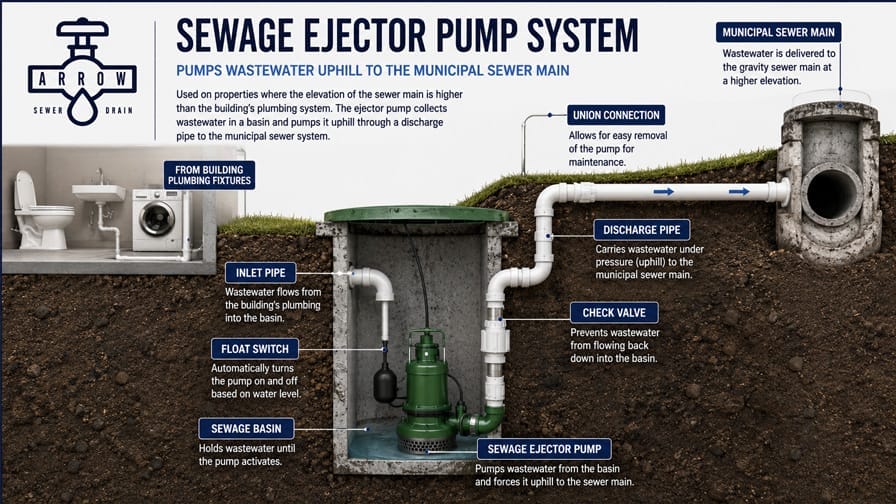
Sewage Ejector Pump Backup
Keep sewage ejector pumps running during NJ power outages with dedicated backup generator connection service.
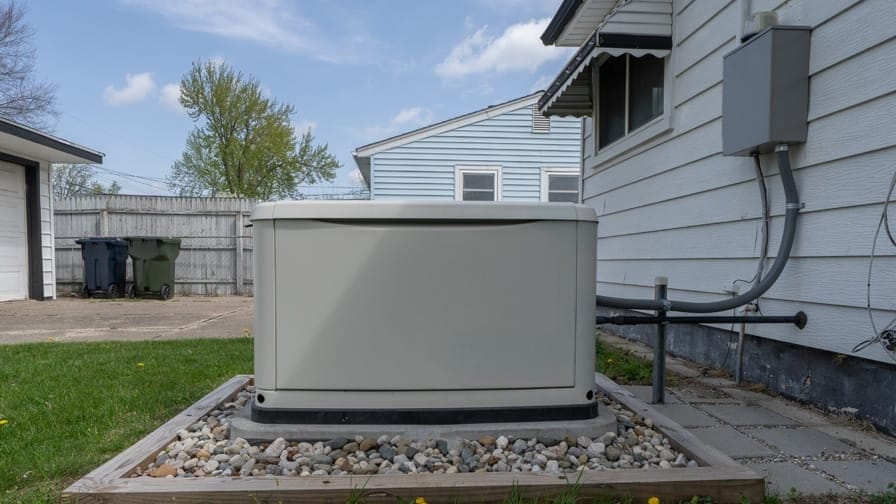
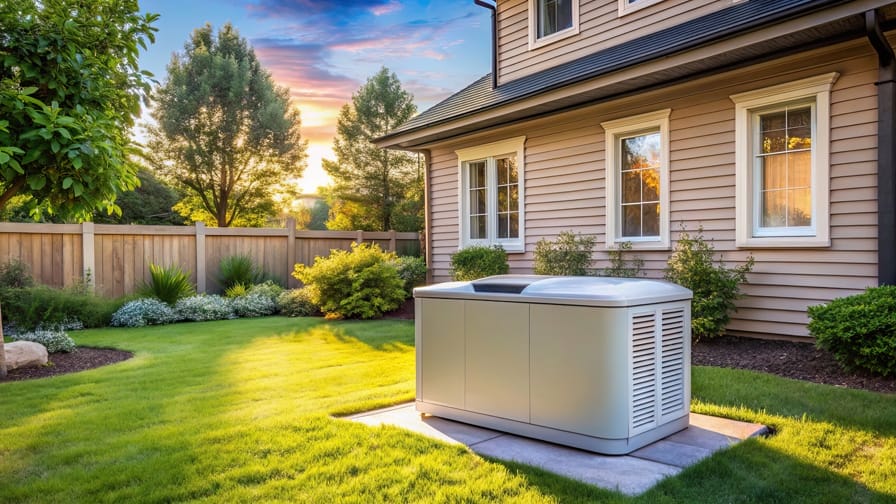
Backup Generator Service
Whole-house standby generator installation including sump pump, ejector pump, and backwater valve protection.
Sewer Inspection
Provides interior video evaluation of sewer piping. Identifies cracks, offsets, corrosion, and root intrusion.

CCTV Sewer Inspection
Used for larger-diameter commercial sewer systems. Evaluates high-capacity pipelines.

Sewer Repair
Repairs damaged sewer lines through excavation or trenchless methods to restore proper wastewater flow and function.

Main Sewer Line Repair
Repairs the line most homeowners call the main - locating the failure on camera and fixing the section that's yours, by trenchless methods or targeted excavation.

Orangeburg Pipe Replacement
Removes deteriorated bituminous fiber sewer pipe. Restores structural integrity in aging NJ systems. Used when material failure is confirmed.

Trenchless Sewer Repair
Trenchless sewer repairs restore damaged underground sewer infrastructure without extensive excavation.

Trenchless Pipe Lining
Cured-in-Place Pipe (CIPP) lining is a leading trenchless sewer rehabilitation method used to restore damaged underground pipes.
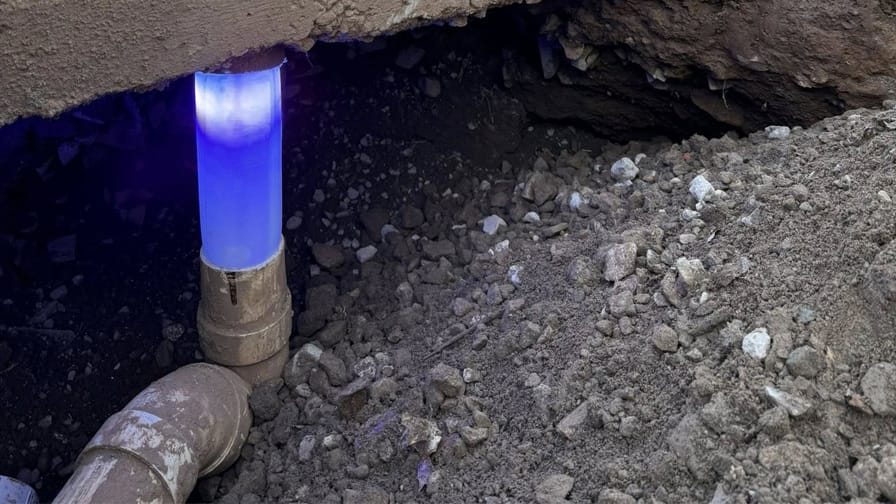
Trenchless Pipe Replacement
Trenchless pipe bursting is an advanced sewer replacement method that allows severely damaged underground pipes to be replaced.
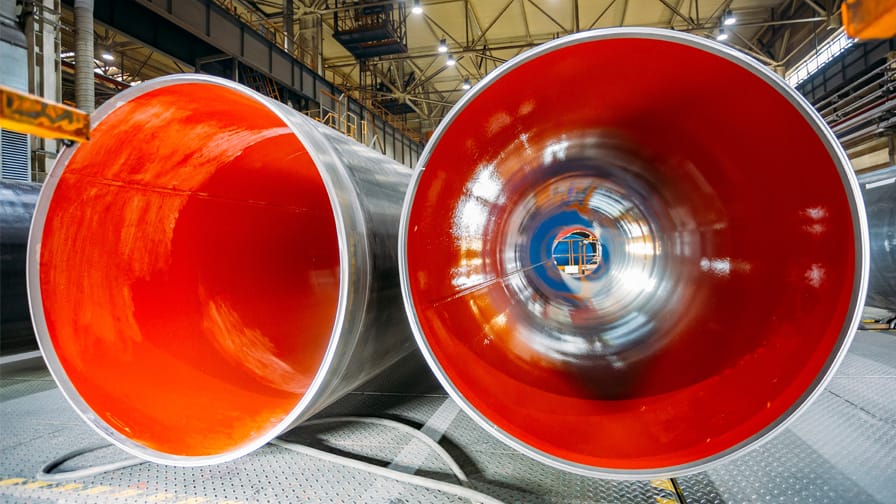
Epoxy Pipe Coating
Epoxy pipe coating is a trenchless rehabilitation method used to restore aging or internally deteriorated piping without excavation.
Why Sewer Backup Conditions Develop in New Jersey Properties
Sewer backup conditions often develop when wastewater can no longer move properly through the municipal sewer system or private sewer lateral. Heavy rainfall, groundwater infiltration, downstream obstructions, tree root intrusion, pipe deterioration, or municipal system surcharging can all cause wastewater to reverse direction.
New Jersey properties may face added risk because of aging sewer infrastructure, older pipe materials, clay-heavy soils, shifting ground conditions, and seasonal freeze-thaw movement. In some municipalities, combined sewer systems or older drainage networks may experience increased pressure during severe weather.
Lower building elevations are also a major factor. When fixtures sit below the elevation of the municipal sewer main or are in basements, wastewater may have a more direct path back into the structure during surcharge conditions.
Sewer backwater valve installation helps address reverse flow risk, but it should be considered within the full condition of the drainage system.
Signs You Need Sewer Backwater Valve Installation
Wastewater backing up through basement drains
Previous sewer backup conditions during storms or flooding
Multiple drains backing up at the same time
Water appearing near floor drains or sewer cleanouts
Recurring backups after heavy rainfall
Sewer odors near lower-level plumbing fixtures

What Causes Sewer Backup and Reverse Wastewater Flow?
Sewer reversal problems may begin with pressure from outside the property, such as municipal sewer overload, stormwater entering the system, or downstream restrictions. When the sewer system cannot move wastewater away fast enough, pressure may force wastewater back toward the building.
Private sewer lateral conditions can also contribute. Root intrusion can restrict flow and trap debris. Cracking and corrosion can weaken pipe walls. Scale buildup can narrow the pipe opening. Offsets caused by shifting soil can interrupt flow direction. Severe deterioration or collapse can create recurring backup conditions even if the line is temporarily cleared.
New Jersey soil and groundwater conditions may worsen these issues over time. Clay-heavy soil can retain water and increase pressure around buried pipes, while freeze-thaw cycles and heavy vehicle traffic may contribute to ground movement near underground sewer lines.
Properties that rely on a sewage ejector system may face additional backup risk during these conditions. When a structure sits below the elevation of the municipal sewer main, a sewage ejector pump is often required to force wastewater upward into the sewer system. During municipal overload, stormwater surcharging, or downstream restriction, this process may place additional strain on the drainage system and increase the potential for reverse wastewater flow or sewage backup conditions.
Identifying these conditions typically requires professional evaluation, especially when backups are recurring or affect multiple fixtures.
How We Diagnose and Address Sewer Backup Risks
Backwater valve installation helps reduce reverse wastewater flow into the property, but the overall drainage system still needs to be evaluated for conditions contributing to sewer backup risk. After the immediate backup concern is stabilized, the next step is determining whether the sewer system is experiencing unstable flow conditions, downstream restriction, or infrastructure deterioration.
Evaluation may identify root intrusion, cracks, corrosion, offsets, improper slope, municipal surcharging, or drainage instability that increases the likelihood of wastewater reversal. These findings help determine whether the property only needs sewer backup protection or whether additional sewer correction should be considered.
The goal is to improve long-term wastewater flow reliability while helping reduce recurring sewer backup conditions.
Potential Findings During Sewer Evaluation
A sewer evaluation may identify conditions that increase the risk of reverse wastewater flow or sewer backup conditions, including:
- The property does not currently have a sewer backwater valve installed
- Existing backwater valve components are outdated, damaged, or no longer functioning properly
- Multiple sewer entry points may require additional backwater valve protection
- Basement fixtures or lower-level drains are vulnerable to sewer surcharge conditions
- Sewage ejector systems operating under elevated municipal sewer pressure
- Sewage ejector systems without backup power protection during storms or utility outages
- Properties where sewage ejector pumps may benefit from whole-house backup generator connection during municipal surcharge conditions
- Stormwater overload increasing reverse wastewater flow risk
- Root intrusion or buildup restricting sewer flow capacity
- Pipe offsets or drainage instability affecting wastewater movement
- Sewer surcharge conditions caused by downstream restrictions or municipal overload
These findings help determine whether the property requires new sewer backwater valve installation, replacement of existing components, additional wastewater protection measures, or broader sewer system correction.
How Arrow Performs Sewer Backwater Valve Installation
- Assessment
We evaluate the drainage system, lower-level plumbing fixtures, sewer lateral configuration, and overall backup risk conditions. - Diagnostics
We assess sewer flow conditions and may recommend sewer inspection for residential properties or CCTV sewer inspection for commercial properties to evaluate pipe condition. This helps determine whether drainage instability, sewer surcharge conditions, or structural sewer problems are contributing to the backup risk and whether additional sewer correction should be evaluated. - Installation
The backwater valve is installed at an appropriate location within the drainage system to help support controlled one-way wastewater flow. - Verification
System operation and drainage flow direction are reviewed to help confirm valve function and identify any additional sewer concerns. - Cleanup
Work areas are cleaned and stabilized following installation.
Why Choose Arrow for Sewer Backwater Valve Installation
- Experience with residential and commercial sewer systems
- Structured sewer evaluation process
- Knowledge of New Jersey drainage and soil conditions
- Emergency sewer response capability
- Diagnostic-focused approach to sewer backup prevention
- Familiarity with sewer repair and rehabilitation methods
- Long-term underground infrastructure experience
- Professional installation and verification procedures
Professional installation helps support proper sewer flow control and long-term drainage reliability.
Financing Options for Sewer Backwater Valve Installation
Learn more about financing options for sewer back water valve installation.
Nearby Service Locations To Support You
Are you looking for Sewer Backwater Valve in New Jersey? We can provide you service from:
Middlesex County, NJ
We serve Middlesex County from our offices in Middlesex, NJ and South Plainfield, NJ.
Somerset County, NJ
We serve Somerset County from our offices in Basking Ridge, NJ, and Bound Brook, NJ.
FAQs About Sewer Backwater Valve Installation
What does a sewer backwater valve do?
A sewer backwater valve helps reduce the risk of wastewater reversing back into the property during sewer overload conditions, downstream blockages, or municipal surcharging events. The valve supports one-way wastewater flow while helping block reverse sewer movement toward lower plumbing fixtures.
Does installing a backwater valve fix the sewer line itself?
No. A backwater valve helps provide protection against reverse wastewater flow, but it does not repair structural sewer problems such as cracking, root intrusion, corrosion, offsets, or pipe collapse. Additional evaluation may still be recommended if underlying sewer instability is suspected.
Why do some properties in New Jersey need backwater valves?
Some New Jersey properties are more vulnerable to sewer backup conditions because of aging municipal infrastructure, lower building elevations, groundwater pressure, recurring storm-related sewer surcharging, or older drainage systems. Properties with basement fixtures or below-grade drains often face increased risk.
Can sewer backups still happen after a backwater valve is installed?
In some situations, yes. Severe municipal sewer overload, improper system conditions, or structural sewer damage may still create drainage problems that require additional correction. Proper evaluation helps determine whether additional sewer repair or replacement may be necessary.
When should the sewer line be inspected?
Inspection may be recommended when recurring sewer backups, slow drainage, unstable flow conditions, or signs of underground sewer deterioration are present. A sewer inspection for residential properties or CCTV sewer inspection for commercial properties may help evaluate the structural condition of the sewer line.
Can a backwater valve be installed if the sewer system already has problems?
In some situations, yes. However, if the sewer system already has significant blockage conditions, structural instability, or recurring drainage problems, those conditions may also need to be evaluated to improve long-term wastewater flow reliability.
Does every sewer backup problem require major sewer repairs?
No. Some properties only require sewer backup protection improvements such as backwater valve installation, while others may need additional drainage correction depending on the condition of the sewer system. Proper evaluation helps determine the appropriate solution.
 Call Now: (908) 472-3801
Call Now for Sewer Backwater Valve Installation in New Jersey
Arrow Sewer & Drain provides professional sewer backwater valve installation for residential, commercial, and mixed-use properties vulnerable to sewer backup conditions. Our team evaluates drainage flow, identifies underlying sewer risks, and helps determine whether long-term sewer correction may be necessary.