New Jersey Hydro Jetting Sewer Lines
Hydro jetting sewer lines is a high-pressure cleaning service used to remove heavy buildup, grease, roots, sludge, and debris from sewer piping. It is used for both residential and commercial properties when recurring backups, slow drainage, or repeated blockages suggest the line is not being fully cleared by standard methods.
24/7 Emergency Hydro Jetting Sewer Lines
A sewer emergency involves active backups, wastewater overflow, rising water at lower fixtures, or conditions that threaten property damage and unsafe use of the plumbing system. In these situations, the priority is to stabilize the problem, restore controlled flow, and reduce the risk of further backup or flooding.
Hydro jetting is not always the first step during an active emergency. Immediate response may involve opening the line, controlling overflow, and identifying whether the blockage is severe buildup, roots, or a larger structural problem.
Once the line is stabilized, hydro jetting may be recommended to remove the material causing the repeated blockage.
Review our Trenchless Sewer Repair Special
Need Emergency Hydro Jetting For Your Sewer Lines?
Delaying service can allow backups to worsen, increase moisture exposure, and put additional stress on older sewer lines. For emergency sewer service in New Jersey, call today.
NJ Master Plumber License # 36BI01352100
Call (908) 595-1597What Is Hydro Jetting Sewer Lines?
Hydro jetting sewer lines is a professional cleaning process that uses controlled high-pressure water to scour the inside walls of a sewer pipe. Instead of only punching through part of a blockage, hydro jetting removes grease, sludge, soap residue, mineral scale, root intrusion, and other debris along the full pipe wall so flow can be restored more completely.
This sewer service is commonly used when a sewer line has recurring stoppages, heavy buildup, or drainage problems that return after snaking or temporary clearing. It can be used in residential and commercial systems when the pipe is structurally suitable for jetting.
These types of problems are different from typical interior drain clogs. Standard drain cleaning methods are designed to clear localized blockages inside sinks, tubs, or branch lines. When multiple fixtures are affected or problems keep returning, the issue is often deeper in the sewer line—not just a single clog. In these cases, the restriction is usually buildup along the pipe walls, which requires a full cleaning method like hydro jetting rather than basic drain cleaning.
Hydro jetting does not repair cracked, offset, collapsed, or deteriorated pipe. It is a cleaning method, not a structural repair. If the sewer line has underlying damage, restoring flow does not confirm that the pipe itself is in good condition.
Because hydro jetting removes the buildup that can hide defects, a sewer camera inspection may be recommended afterward to evaluate the actual condition of the line. For residential properties, that may involve a sewer scope inspection. For commercial properties, a CCTV sewer inspection may be recommended to help determine whether trenchless sewer repair, sewer repair or replacement, or excavation is necessary.
Signs of a Failing Sewer Line:
Sewer problems rarely announce themselves clearly — they show up as a mix of small symptoms that homeowners often dismiss until the failure is well underway. For a deeper look at the warning signs that point to a leaking or failing sewer line, and what each one usually indicates, see our complete guide to signs of a leaking sewer line.
Sewer Inspection Guide:
For a deeper look on sewer inspection — see our complete guide to what sewer inspection cameras actually show.
What Causes Sewer Buildup and Structural Problems in Sewer Lines?
Sewer line problems usually develop over time as material builds up inside the pipe or the pipe itself begins to deteriorate. In many New Jersey properties, older pipe materials, mature tree growth, changing soil conditions, and years of use all contribute to recurring sewer restrictions.
In many cases, the initial issue is internal buildup. Grease, sludge, soap residue, paper, and debris gradually collect along the pipe walls, reducing flow capacity. This type of restriction often leads to slow drainage, recurring clogs, and backups that return after basic clearing—conditions where hydro jetting is commonly used to fully clean the line.
However, buildup is often not the only factor. Common structural causes include root intrusion entering through joints or cracks, cracking in aging clay or cast-iron pipe, corrosion that roughens the pipe interior, and scale buildup that reduces pipe diameter. Offsets can develop when sections of pipe shift out of alignment, and severe deterioration can eventually lead to partial or full collapse.
As the pipe becomes rough, misaligned, or damaged, it tends to hold water and catch debris more easily. This accelerates buildup and leads to recurring problems that appear to be simple clogs but are often tied to underlying conditions.
That is why repeated backups and drainage issues don’t always point to a single cause. In some cases, hydro jetting can restore proper flow by removing buildup. In others, the cleaning process reveals structural issues that require trenchless sewer repair, sewer repair or replacement, or excavation. Determining the difference requires proper evaluation after the line has been cleared.
Related Services
Hydro jetting is often one part of a larger sewer diagnosis and repair pathway, depending on what the line reveals after cleaning.
Sewer Scope Inspection
Provides interior video evaluation of sewer piping. Identifies cracks, offsets, corrosion, and root intrusion.

CCTV Sewer Inspection
Used for larger-diameter commercial sewer systems. Evaluates high-capacity pipelines.

Sewer Repair
Repairs damaged sewer lines through excavation or trenchless methods to restore proper wastewater flow and function.

Sewer Line Repair
Repairs property sewer lines to restore wastewater flow using targeted excavation or trenchless repair methods.

Orangeburg Pipe Replacement
Replaces deteriorated Orangeburg sewer pipes with durable materials to restore structural integrity and flow.

Main Sewer Line Repair
Repairs commercial main sewer lines in streets to restore flow using excavation or trenchless methods.

Trenchless Sewer Repair
Restores damaged sewer lines using trenchless methods to repair structural issues without major excavation.

Trenchless Pipe Lining
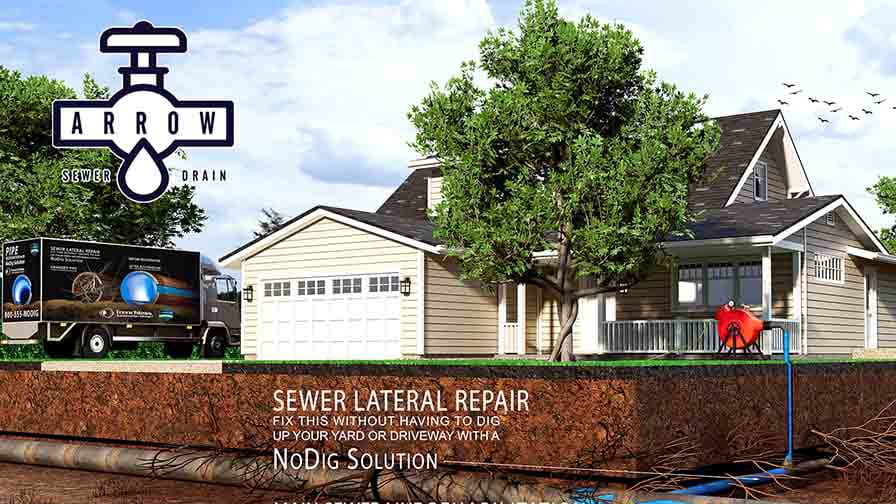
Cured-in-Place Pipe (CIPP) lining is a leading trenchless sewer rehabilitation method used to restore damaged underground pipes.

Trenchless Pipe Replacement
Trenchless pipe bursting is an advanced sewer replacement method that allows severely damaged underground pipes to be replaced.
Epoxy Pipe Coating
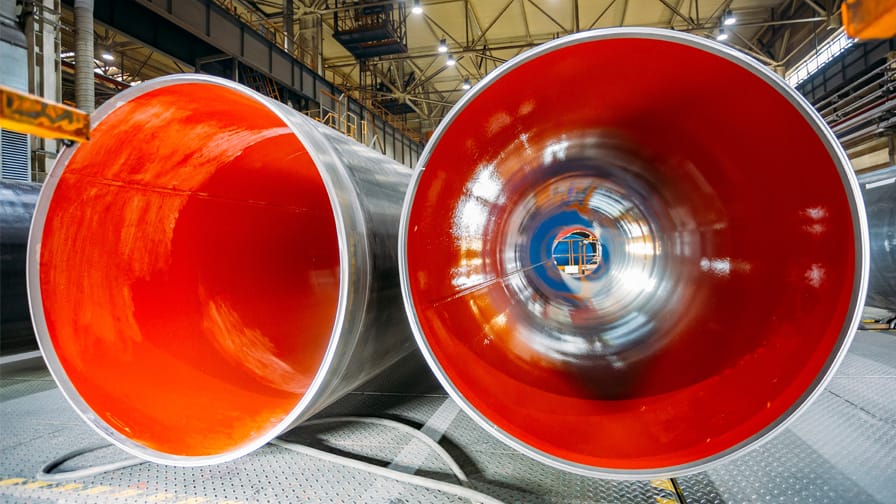
Epoxy pipe coating is a trenchless rehabilitation method used to restore aging or internally deteriorated piping without excavation.
How to Determine if You Need Hydro Jetting Sewer Lines
Recurring sewer issues don’t always mean the pipe is damaged—they often point to build up inside the line. If you’re trying to understand how to know if hydro jetting is the right solution, these steps help identify when cleaning (not repair) is the likely next step—but inspection still confirms the condition.
Step 1: Check for Multi-Fixture Drainage Problems
Notice if slow drainage or backups are affecting multiple fixtures at once. This often indicates buildup inside the main sewer line rather than a single localized clog.
Step 2: Look for Recurring Blockages After Snaking
If the line has been cleared before but the problem keeps coming back, it’s a strong sign that material like grease, sludge, or scale is still lining the pipe walls.
Step 3: Watch for Signs of Buildup, Not Collapse
Pay attention to signs like gurgling, odors, or slow flow that gradually worsens over time. These typically point to internal buildup, not sudden structural failure like a collapse.
Step 4: Evaluate Usage That Contributes to Heavy Buildup
Properties with grease-heavy use, frequent discharge, or long-term accumulation often develop restricted flow. This type of pattern is where hydro jetting is most effective.
Step 5: Confirm with the Right Type of Inspection
These signs suggest buildup, but they do not confirm pipe condition. Interior drains and branch lines can be inspected in pipes as small as 2 inches, residential sewer laterals are evaluated using a sewer scope inspection, and commercial or large-diameter systems require CCTV inspection to determine whether hydro jetting will resolve the issue or if repair is needed.
What Are the Benefits of Hydro Jetting Sewer Lines?
Clears grease, sludge, scale, and debris more thoroughly than basic snaking
Restores stronger, more complete sewer flow
Restores stronger, more complete sewer flow
Removes root intrusion when conditions are appropriate
Cleans the pipe wall so hidden defects are easier to evaluate
Supports better long-term maintenance of residential and commercial sewer lines

How Arrow Performs Hydro Jetting Of Sewer Lines
- Assessment
We begin by reviewing the symptoms, access points, backup history, and the type of property involved. This helps determine whether hydro jetting is the right cleaning method and whether the line should be stabilized first if an active emergency is occurring. - Diagnostics
Before and after cleaning, we assess how the line is behaving and whether the conditions suggest a deeper problem. When needed, a sewer camera inspection may be recommended to evaluate structural integrity. Depending on the property type, that may involve a sewer scope inspection or a CCTV sewer inspection. - Service Execution
We use controlled high-pressure water to remove grease, roots, sludge, scale, and debris from the sewer line. The process is adjusted to the pipe material and condition, so the line is cleaned as effectively and safely as possible. - Verification
Once flow is restored, we verify whether the line is draining normally and whether further evaluation is needed. If the findings suggest structural damage, we explain whether trenchless sewer repair, sewer repair or replacement, or excavation may be the more appropriate long-term solution. - Cleanup
We leave the work area clean, explain what was found, and provide guidance on the next step for the property.
Why Choose Arrow Sewer & Drain for Hydro Jetting Sewer Lines
- Experience with both residential and commercial sewer service needs
- Focus on diagnosing recurring sewer problems, not just clearing symptoms
- Ability to identify when additional sewer evaluation may be needed
- Emergency response for urgent sewer backup conditions
- Familiarity with older New Jersey sewer infrastructure and common pipe conditions
- Clear communication about service findings and next-step recommendations
- Full-service capability when cleaning leads to repair decisions
Financing For Hydro Jetting Sewer Lines
The team at Arrow Sewer & Drain has garnered a reputation for professionalism and reliability over the years, making us one of the most trusted partners for commercial and residential customers throughout the all of New Jersey area.
Learn more about financing options for hydro jetting sewer lines
Nearby Service Locations To Support You
Are you looking for Hydro Jetting Sewer Lines in New Jersey? We can provide you service from:
Middlesex County, NJ
We serve Middlesex County from our offices in Middlesex, NJ and South Plainfield, NJ.
Somerset County, NJ
We serve Somerset County from our offices in Basking Ridge, NJ, and Bound Brook, NJ.
FAQs About Hydro Jetting Sewer Lines
What does hydro jetting do?
Hydro jetting uses high-pressure water to clean the inside of the sewer line, removing grease, sludge, scale, and debris that build up along the pipe walls and restrict flow.
How do I know if hydro jetting is what I need?
Hydro jetting is usually recommended when sewer problems keep coming back, especially after snaking. If multiple drains are slow or backing up, it often points to build up inside the main line rather than a single clog.
Is hydro jetting better than snaking a drain?
Snaking creates an opening through a blockage, but hydro jetting fully cleans the pipe walls. For recurring issues caused by buildup, hydro jetting is typically the more effective long-term cleaning method.
Will hydro jetting stop my sewer backups for good?
It can if the problem is caused by buildup. However, if the pipe has underlying damage like cracks, shifting, or root intrusion, the issue may return until the structural problem is addressed.
Can hydro jetting remove tree roots?
Hydro jetting can break up smaller root intrusion and clear them from the line, but it does not stop roots from growing back if they are entering through damaged joints or cracks.
Is hydro jetting safe for my sewer line?
When performed correctly, hydro jetting is safe for most structurally sound pipes. The condition of the line should be considered first, especially in older systems.
Why do my sewer problems keep coming back?
Recurring issues are often caused by buildup that isn’t fully removed or by underlying pipe conditions that trap debris. In many cases, both buildup and pipe condition contribute to the problem.
What happens if hydro jetting doesn’t solve the issue?
If cleaning restores flow but problems continue, it usually means there is a deeper issue within the pipe. At that point, the next step is determining whether the line needs repair or replacement based on its condition.
 Call Now: (908) 595-1597
Call Now for Fast Hydro Jetting Sewer Lines in New Jersey
If your property is dealing with recurring sewer backups, slow drainage, or repeated blockages, hydro jetting may be the right way to restore full flow and expose what is really happening inside the line. Arrow Sewer & Drain provides hydro jetting sewer line service throughout New Jersey with a focus on proper diagnosis, long-term correction, and clear next-step recommendations.