New Jersey Horizontal Directional Drilling Contractors
Horizontal directional drilling is used to install or access underground water and sewer infrastructure while reducing surface disruption compared to full trench excavation. In New Jersey, underground utility routing can be affected by clay-heavy soils, aging piping systems, paved surfaces, groundwater conditions, and congested utility corridors. Arrow Sewer & Drain provides structured underground utility evaluation, drilling coordination, and access planning for residential and commercial water and sewer infrastructure projects throughout New Jersey.
24/7 Emergency Horizontal Directional Drilling Services
Emergency underground utility conditions can occur when damaged sewer lines, failed water services, collapsed underground piping, or restricted access points require immediate stabilization. Delaying service may allow underground conditions to worsen, increase surface damage, or interfere with utility operation.
Our New Jersey drilling contractors focus on stabilizing the immediate infrastructure issue first while evaluating whether the underground utility system requires additional repair or replacement planning afterward.
In some situations, blocked inspection access, collapse conditions, or unstable soil may require rapid adjustment of the drilling or excavation strategy.
Need Emergency Horizontal Directional Drilling?
Emergency underground utility response is available throughout New Jersey. Call Arrow Sewer And Drain for immediate assistance.
NJ Master Plumber License # 36BI01352100
Call (908) 595-1597What Is Horizontal Directional Drilling?
Horizontal directional drilling is a trenchless underground drilling method used to create utility pathways beneath the surface without opening a continuous trench across the property. The process is commonly used for underground water lines, sewer infrastructure, conduit installation, utility crossings, and access beneath paved or developed areas.
Directional drilling may help reduce disruption to:
- Driveways
- Parking lots
- Landscaping
- Sidewalks
- Roads
- Commercial access areas
This method is often used when traditional excavation would create larger restoration requirements or interfere with surrounding infrastructure.
However, directional drilling does not automatically repair damaged underground piping. Existing sewer or water infrastructure may still require trenchless sewer repair, sewer repair or replacement, or excavation depending on the structural condition of the utility line.
According to Directional drilling, directional drilling is commonly used to create underground utility pathways while minimizing surface disruption compared to conventional trench excavation methods.
Restoring underground access does not confirm pipe condition. A sewer scope inspection for residential properties or CCTV sewer inspection for commercial properties may be recommended to evaluate structural pipe integrity and determine whether additional underground repair is necessary.
Underground utility failure can create access limitations, surface instability, and infrastructure disruption if conditions worsen.
What Are the Benefits of Horizontal Directional Drilling?
- Reduced surface disruption during underground utility work
- Less restoration compared to continuous trench excavation
- Improved access beneath paved or developed areas
- Underground utility routing flexibility
- Support for trenchless utility installation methods
- Reduced disruption to surrounding infrastructure
- Better confirmation of underground system integrity when combined with proper evaluation
Related Services
Additional underground utility and infrastructure services may be recommended depending on pipe condition, access limitations, and structural findings during evaluation.
Drilling Contractor
Directional drilling, HDD, and utility access services supporting sewer and water infrastructure installation.
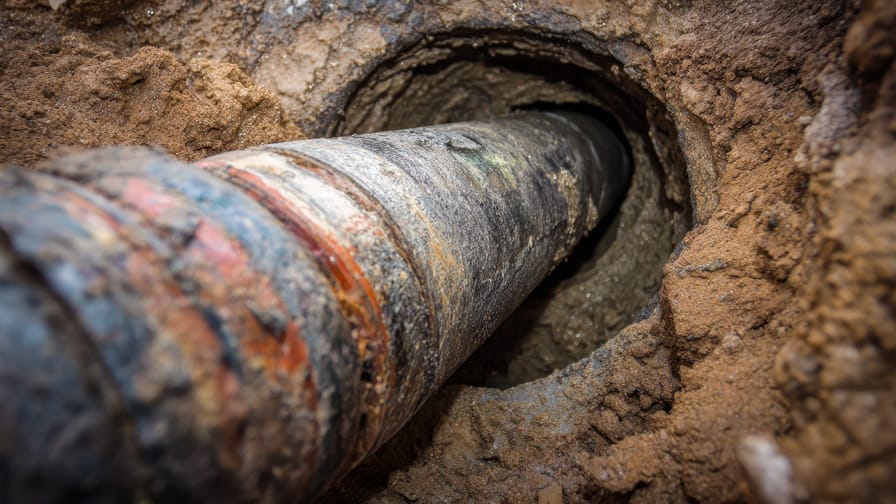
Sewer Repair
Repairs damaged sewer lines through excavation or trenchless methods to restore proper wastewater flow and function.

Sewer Line Repair
Corrects localized structural damage in underground sewer piping. May use trenchless methods when pipe integrity allows.

Main Sewer Line Repair
Repairs commercial main sewer lines in streets to restore flow using excavation or trenchless methods.

Trenchless Sewer Repair
Trenchless sewer repairs restore damaged underground sewer infrastructure without extensive excavation.

Trenchless Pipe Replacement
Trenchless pipe bursting is an advanced sewer replacement method that allows severely damaged underground pipes to be replaced.
Water Line Repair
Water line repair services diagnosing underground leaks, restoring water supply, and protecting property infrastructure efficiently.

Water Main Repair
Commercial water main repair services restoring municipal supply lines, stabilizing pressure, and protecting large-scale plumbing infrastructure.

Excavation
Performs controlled excavation to access, repair, or replace underground plumbing and sewer infrastructure systems.

Hydro Excavation
Uses pressurized water and vacuum systems to safely remove soil around utilities, and sensitive areas with minimal disruption.

Sewer Scope Inspection
Provides interior video evaluation of sewer piping. Identifies cracks, offsets, corrosion, and root intrusion.

CCTV Sewer Inspection
Used for larger-diameter commercial sewer systems. Evaluates high-capacity pipelines.

How Arrow Performs Horizontal Directional Drilling
Site Assessment
Arrow evaluates underground utility routing, visible infrastructure conditions, access limitations, and surrounding surface conditions to determine whether drilling or excavation is appropriate.
Diagnostics & Utility Evaluation
When necessary, sewer scope inspection for residential properties or CCTV sewer inspection for commercial properties may be recommended to evaluate underground pipe condition. This helps determine whether trenchless sewer repair, sewer repair or replacement, or excavation may also be required.
Directional Drilling & Utility Access Work
Directional drilling is performed based on underground conditions, utility routing requirements, and available access points. If collapse, unstable soil, or restricted access is discovered, the drilling strategy may need adjustment.
Verification & Structural Review
Underground utility pathways, drilling access points, and infrastructure conditions are reviewed to evaluate structural integrity and determine whether additional trenchless pipe repair or sewer repair is necessary.
Cleanup & Restoration Coordination
After drilling work is completed, the site is stabilized and reviewed for restoration requirements depending on the scope of the project.
Call (908) 595-1597 to schedule underground utility drilling evaluation services in New Jersey.
Signs You Need Horizontal Directional Drilling
Sewer or water infrastructure runs beneath pavement
Utility replacement must avoid major excavation
Existing underground pathways are congested
Surface disruption needs to be minimized
Sewer inspection access is blocked
Structural pipe issues suggest deeper underground problems
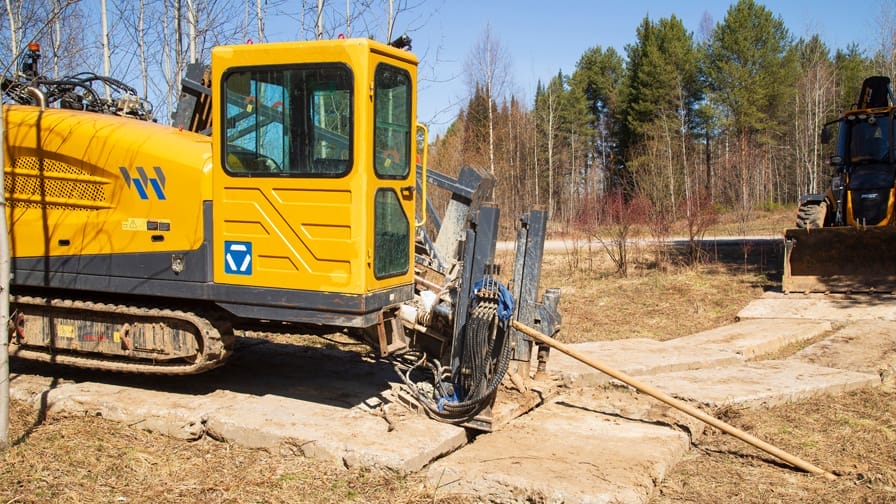
What Causes Underground Utility Access & Drilling Problems?
Underground utility drilling problems often develop when aging infrastructure, unstable soil conditions, or buried obstructions interfere with safe access to water and sewer lines. In New Jersey, underground utilities are frequently installed beneath driveways, roadways, sidewalks, parking lots, and developed properties where years of ground movement and surface loading can affect pipe stability.
Many underground sewer and water systems also contain older materials that deteriorate over time. As underground piping weakens, utility access becomes more difficult and drilling conditions may change unexpectedly during the project.
Common structural conditions may include:
Underground utility drilling problems often develop when aging infrastructure, unstable soil conditions, or buried obstructions interfere with safe access to water and sewer lines. In New Jersey, underground utilities are frequently installed beneath driveways, roadways, sidewalks, parking lots, and developed properties where years of ground movement and surface loading can affect pipe stability.
Many underground sewer and water systems also contain older materials that deteriorate over time. As underground piping weakens, utility access becomes more difficult and drilling conditions may change unexpectedly during the project.
Common structural conditions may include:
Underground utility drilling problems often develop when aging infrastructure, unstable soil conditions, or buried obstructions interfere with safe access to water and sewer lines. In New Jersey, underground utilities are frequently installed beneath driveways, roadways, sidewalks, parking lots, and developed properties where years of ground movement and surface loading can affect pipe stability.
Many underground sewer and water systems also contain older materials that deteriorate over time. As underground piping weakens, utility access becomes more difficult and drilling conditions may change unexpectedly during the project.
Common structural conditions may include:
- Root intrusion entering underground piping
- Pipe cracking caused by soil movement
- Corrosion inside aging utility lines
- Scale buildup restricting interior flow
- Pipe offsets where sections no longer align properly
- Partial or full pipe collapse
Heavy traffic vibration, groundwater saturation, freeze-thaw expansion, and clay-heavy soils that retain moisture can all increase underground pressure around buried utilities. These conditions may affect whether horizontal directional drilling remains practical or whether excavation becomes necessary.
Identifying these underground conditions often requires sewer scope inspection for residential properties or CCTV sewer inspection for commercial properties before the final drilling or repair strategy can be determined.
Underground Sewer Failure Guide:
For a deeper understanding of what causes underground sewer infrastructure to deteriorate, how soil conditions, root intrusion, corrosion, and pipe movement contribute to failure, and why these issues can affect drilling access and repair planning, see our complete guide on why sewer lines fail.
Water Line & Water Main Repair Guide:
For a deeper understanding of how water service lines and water mains deteriorate, what causes underground water infrastructure to fail, how to evaluate repair versus replacement decisions, and when excavation may become necessary, see our complete guide to water line and water main repair or replacement.
Why Choose Arrow Sewer & Drain for Horizontal Directional Drilling
- Underground utility infrastructure experience
- Water and sewer line drilling support
- Sewer scope and CCTV inspection capability
- Familiarity with New Jersey underground conditions
- Structured utility evaluation process
- Emergency underground response availability
- Coordinated drilling and excavation planning
- Professional underground utility diagnostics
Structured underground utility work helps reduce unnecessary disruption and supports safer infrastructure access.
Financing For Your Horizontal Directional Drilling Project
Learn more about financing options for your horizontal directional drilling project.
Nearby Service Locations To Support You
Are you looking for A Horizontal Directional Drilling Contractor in New Jersey? We can provide you service from:
Middlesex County, NJ
We have offices located in Middlesex Borough, NJ and South Plainfield, NJ to support you.
Somerset County, NJ
We have offices located in Basking Ridge, NJ to support you.
Frequently Asked Questions About Horizontal Directional Drilling
What is horizontal directional drilling used for in underground utility projects?
Horizontal directional drilling is commonly used to create underground utility pathways for sewer lines, water lines, conduit, and utility crossings while reducing surface disruption compared to traditional excavation methods.
Does horizontal directional drilling repair damaged sewer pipes?
Not necessarily. Horizontal directional drilling creates underground utility access pathways, but damaged sewer infrastructure may still require trenchless sewer repair, sewer repair or replacement, or excavation depending on the structural condition of the pipe.
Does horizontal directional drilling guarantee the underground pipe is fully repaired?
No. Restoring underground utility access through horizontal directional drilling does not confirm the structural condition of the sewer or water line itself. Sewer scope inspection for residential properties or CCTV sewer inspection for commercial properties may still be recommended to evaluate pipe integrity.
When is trenchless sewer repair recommended alongside horizontal directional drilling?
Trenchless sewer repair may be recommended when the underground pipe remains structurally stable enough to support trenchless restoration and when horizontal directional drilling access can be completed without full excavation. Inspection helps determine whether the pipe condition supports trenchless repair methods.
When is sewer line replacement necessary instead of horizontal directional drilling?
Sewer line replacement may become necessary when underground sewer infrastructure has severe deterioration, collapse, major offsets, unstable soil conditions, or structural failure that prevents reliable trenchless restoration. In some situations, horizontal directional drilling may support underground utility access or replacement routing, while other projects may require excavation.
When is excavation required instead of horizontal directional drilling?
Excavation may become necessary when underground conditions prevent safe horizontal directional drilling access, when utilities are inaccessible, or when collapse and structural instability are too severe for trenchless methods.
Can soil conditions affect horizontal directional drilling projects?
Yes. Water-retaining soils, unstable ground, groundwater saturation, freeze-thaw movement, and underground shifting can all affect horizontal directional drilling access, underground utility stability, and long-term infrastructure reliability.
 Call Now: (908) 595-1597
Call Now for Horizontal Directional Drilling in New Jersey
Arrow Sewer & Drain provides structured underground utility drilling support for residential and commercial water and sewer infrastructure projects throughout New Jersey. Our process focuses on proper underground evaluation, controlled utility access, and identifying the safest long-term repair strategy when additional infrastructure correction is necessary. Whether the project requires directional drilling, trenchless sewer repair, sewer repair or replacement, or excavation, our team evaluates underground conditions carefully before work begins.