New Jersey Backup Generator Service
A backup generator protects your home from flooding and sewage backup during the storms that knock the power out. A sump pump on a dead circuit lets groundwater in; a sewage ejector pump without electricity stops moving wastewater. Arrow Sewer & Drain installs and services whole-house standby generators as part of a complete flood and sewage backup prevention system. Proper sizing and load planning determine whether the generator does its job.
24/7 Emergency Backup Generator Service
Emergency generator problems escalate quickly when a unit fails during a storm — a basement filling, an ejector pit rising, or medical equipment offline. In these situations, the priority is to stabilize the immediate issue, reduce the risk of further property damage, and determine whether the cause is a battery, fuel, controller, or transfer switch failure.
Need Emergency Backup Generator Service?
Visit our emergency plumbing page for more information on our 24/7 emergency services.
NJ Master Plumber License # 36BI01352100
Call (908) 472-3801Why Whole-House Standby Generators Fail
Whole-house standby generators typically fail due to weak starting batteries, stale fuel, clogged filters, failed control boards, or corroded transfer switch contacts. The underlying problem is that the storms that produce the most water — hurricane remnants, nor’easters, and severe thunderstorms — are also the storms most likely to knock the grid down. A generator that sits untested between storms develops these issues quietly, and the first sign of trouble is usually the unit failing to start when it’s needed most.
Undersizing is another common cause. A generator too small for the home’s actual load will trip its overload protection under demand — usually because the original sizing didn’t account for real-world simultaneous draw. New Jersey homes vary widely in load profile, which is why a documented load calculation is the foundation of any reliable installation.
How Our Backup Generator Services Work
Every backup generator project begins by determining what the system needs to protect. For new installations, we identify the critical loads — starting with the sump pump and any sewage ejector pump, then the rest of the home — and perform a documented load calculation. For service calls, we diagnose whether the issue is in the engine, controller, transfer switch, or fuel system.
Site assessment also identifies:
- Whether the home has a sump pump that needs to stay running during outages
- Whether an existing sump pump has a battery backup that could be converted to generator-backed power
- Whether the home has a dedicated well requiring a well pump
- Whether the home’s main sewer line exits below the grade of the municipal sewer main and requires an ejector pump to move all household wastewater upward — a configuration that fails completely during a power outage if the pump loses electricity
- Whether the home has a sewage ejector pump for basement fixtures
- Whether a backwater valve is in place to protect against municipal sewer backflow
- Available fuel source (natural gas or propane)
- Electrical service capacity (100-amp or 200-amp)
Inspection Policy: Required for new installations, conditional for service calls
Load calculations and site assessments are required before any new generator installation. Service inspections are recommended when a unit has failed self-tests, won’t start, or has shut down under load during a recent outage.
Load Calculation: How We Size Every Generator Install
Every backup generator installation begins with a documented load calculation. A whole-house standby generator is rated for a specific load capacity, and a unit sized on assumption rather than measured demand is the most common source of failures during real storms. Load calculation is included with every install — it determines unit selection, transfer switch configuration, and long-term operating cost.
The calculation identifies every circuit and appliance the generator needs to support, with attention to simultaneous draw — air conditioning, well pump, sump pump, ejector pump, and electric range running at once is a very different demand profile than the same loads running one at a time. The result is a generator matched to actual home demand with margin for peak conditions, rather than an estimated size that may trip during the storms it was meant to protect against.
Backup Generator Solutions for Specific Conditions
Each backup generator solution addresses a defined need. Selection depends on the home's load profile, available fuel source, and the systems most critical to protect during an outage.
Sump Pump Installation
Installs systems that actively remove groundwater and collected water from basements or low-lying areas to prevent flooding and saturation.

Sump Pump Backup Generator Connection
Protect your basement from flooding with reliable sump pump backup generator connection during power outages.
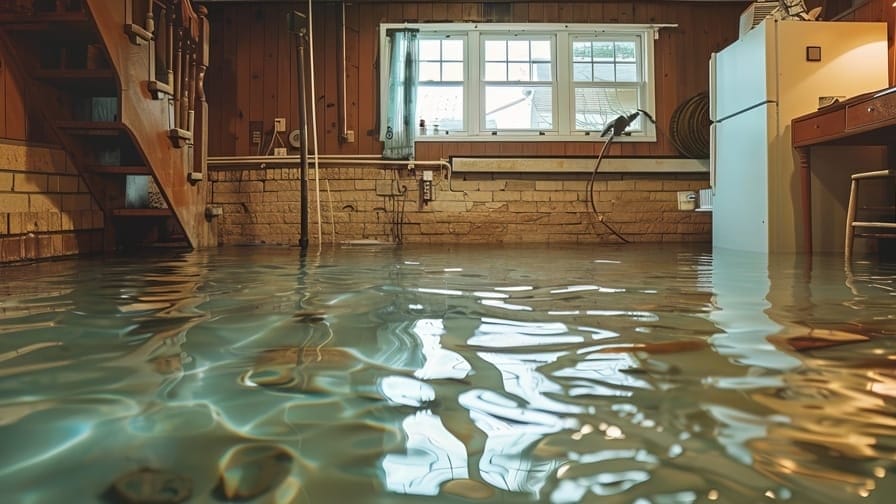
Sewage Ejector Pump Installation
Sewage ejector pump systems move wastewater uphill to municipal sewer mains from lower-elevation properties.
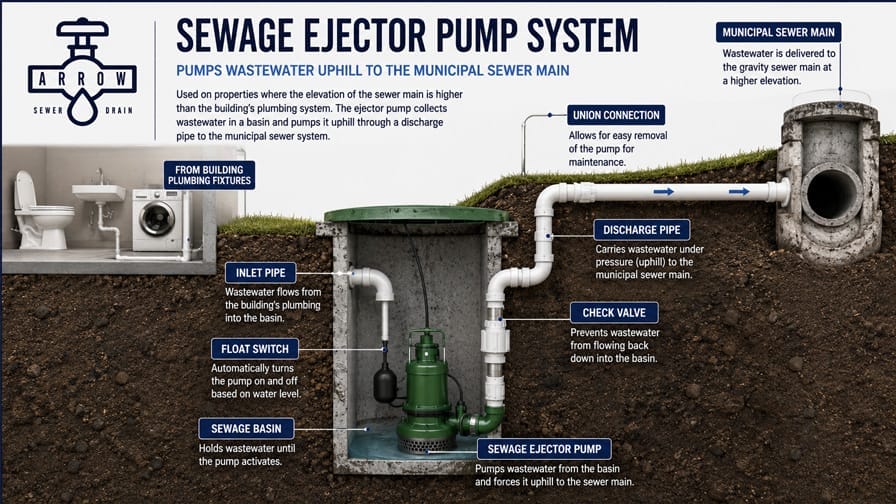
Sewage Ejector Pump Backup
Keep sewage ejector pumps running during NJ power outages with dedicated backup generator connection service.
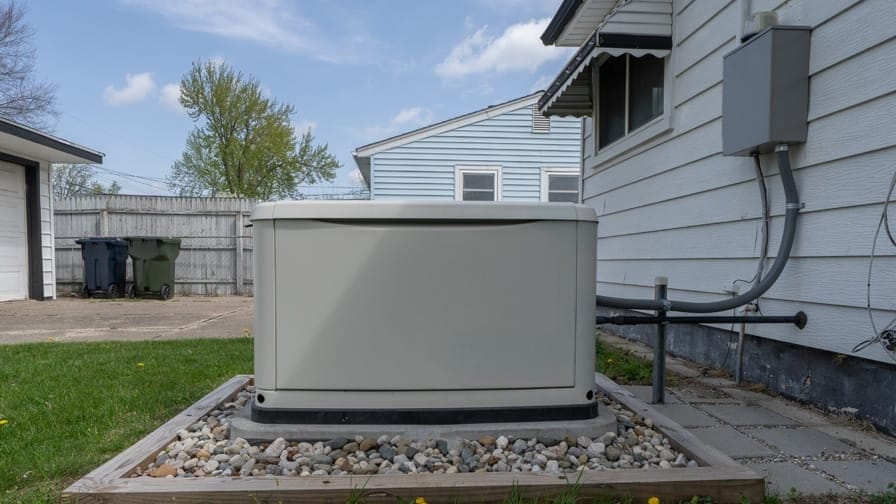
Load Planning Precision and NJ Infrastructure Familiarity
New Jersey homes vary widely by construction era and electrical service capacity. Older homes frequently have 100-amp services that constrain generator sizing options, while newer construction typically supports 200-amp or larger services. Natural gas availability also varies by municipality. Recognizing these regional patterns supports accurate sizing, code-compliant installations, and durable backup power solutions.
How We Plan and Complete Backup Generator Service
Once the assessment is complete, we determine whether the project is a new installation, system upgrade, or service repair. For new installations, we coordinate concrete pad, fuel connection, transfer switch, electrical tie-in, and municipal permitting in one project. For service calls, we diagnose the specific failure mode and recommend whether targeted repair or unit replacement is the right path.
Potential Findings During Generator Assessment
Weak or failed starting battery
Stale or degraded fuel supply
Clogged air or fuel filters
Failed control board or sensor
Corroded transfer switch contacts
Why Property Owners Choose Arrow Sewer & Drain
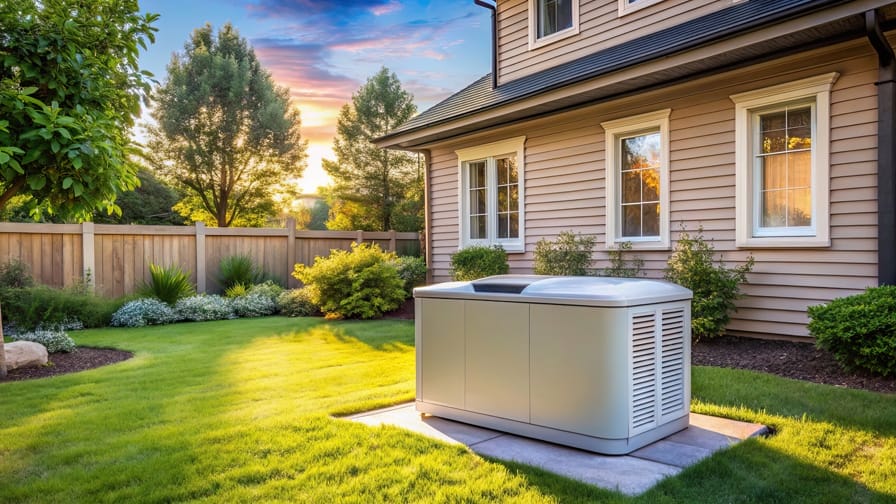
Why Property Owners Choose Arrow Sewer & Drain
- Backup generator service integrated with sump pump and sewage ejector pump expertise
- Documented load calculations rather than estimated sizing
- Complete project handling — fuel, electrical, transfer switch, permitting in one team
- Honest assessment of repair vs. replacement when service is needed
- New Jersey municipal permitting familiarity
- Maintenance plans designed around New Jersey storm patterns
Recommended Backup Power Configurations
- Whole-house standby generator — for full home coverage when natural gas or propane is available.
- Partial-load standby generator — for budget or fuel constraints requiring a smaller, targeted unit.
- Generator-backed sump pump conversion — to retire an aging battery backup once a generator is in place.
- Generator-backed ejector pump conversion — for properties where the home’s sewer line exits below the grade of the municipal sewer main and a pump moves all household wastewater uphill.
Each backup generator service project follows this structured hierarchy to match the system to the home’s actual needs.
When to Call Arrow Sewer & Drain
- Recurring multi-hour or multi-day outages during storms
- A sump pump or sewage ejector pump that stops working when power drops
- A home below the grade of the municipal sewer main relying on a pump to move wastewater uphill
- A battery backup sump pump that hasn’t been tested or replaced in years
- Medical equipment or refrigerated medication that cannot tolerate interruption
- An existing generator that won’t start, runs rough, or has failed self-tests
Long-Term Backup Power Reliability
A whole-house standby generator installed by Arrow Sewer & Drain is the centerpiece of a complete flood and sewage backup prevention system. The generator powers the home, the sump pump connection keeps groundwater out of the basement, verified ejector pump operation keeps wastewater moving, and a backwater valve protects against sewer surcharge — reducing the risk of basement flooding and sewage backup during the storms that produce the most water in New Jersey.
Long-term reliability depends on the whole system staying ready: the generator able to start and carry the load, the pumps still cycling correctly, and the backwater valve still operating freely. Most homeowners check these systems once a year before storm season. Generators in particular benefit from professional annual service to verify fuel quality, battery condition, and self-test history.
Financing For Your Backup Generator
Arrow Sewer & Drain delivers backup power solutions sized to actual need for both residential and commercial customers across New Jersey.
Learn more about financing options for your generator installation.
Nearby Service Locations To Support You
Are you looking for Backup Generator Installation in New Jersey? We can provide you service from:
Middlesex County, NJ
We serve Middlesex County from our offices in Middlesex, NJ and South Plainfield, NJ.
Somerset County, NJ
We serve Somerset County from our offices in Basking Ridge, NJ, and Bound Brook, NJ.
FAQs About Our Backup Generator Service
Will a whole-house generator run my sump pump?
Yes — when properly sized and wired, a standby generator keeps the primary sump pump on its normal circuit during a power outage, delivering full pumping capacity during the storms that produce the most water.
Will the generator also run my sewage ejector pump?
Yes. For homes with a basement bathroom, laundry, or any fixture below the grade of the municipal sewer line, a generator keeps the ejector pump running. This matters most for homes below the grade of the sewer main, where a single pump moves all household wastewater uphill.
Do I still need a battery backup sump pump if I have a generator?
In most cases, no. If the generator is sized and wired to cover the sump circuit, the primary pump keeps running on generator power and a separate battery backup becomes redundant.
How do I know what size generator I need?
Sizing depends on which circuits need to stay powered and how many might run simultaneously. We perform a documented load calculation as part of every new installation assessment.
Natural gas or propane — which fuel is better?
Natural gas is usually the better choice for homes with an existing gas line, since it runs continuously without refueling. Propane is the alternative for homes without natural gas service.
How often does a backup generator need service?
Most standby generators need professional service annually, with battery and oil checks more frequently. Skipping scheduled maintenance is the single most common cause of generators failing to start during a real outage.
How long does a backup generator installation take?
Most residential installations are completed in one to two days of on-site work. The full project from initial assessment to commissioned unit typically runs three to six weeks depending on permit timelines and unit availability.
 Call Now: (908) 472-3801
Call Now for Backup Generator Service In New Jersey
Backup power failures during a storm create immediate risk for flooding, sewage backup, and home damage. Arrow Sewer & Drain delivers backup generator service in New Jersey backed by documented load calculations and plumbing system integration.