New Jersey Trenchless Pipe Lining
Trenchless pipe lining — cured-in-place pipe (CIPP) lining, also called sewer relining — rebuilds a damaged sewer lateral from the inside. A resin-saturated liner enters the existing pipe, expands against its walls, and cures into a hardened new interior: a pipe within the pipe, joint-free from end to end. Whether your line is a candidate comes down to one thing — what the camera finds. This page covers exactly which conditions a liner fixes, which ones need a different repair, and how we tell the difference before any method is proposed.
24/7 Emergency Trenchless Pipe Lining
A lining emergency never starts as a lining question — it starts as a backup. When sewage is rising, the first move is restoring flow; the camera work that follows shows whether the line that failed is a candidate for lining or needs another path. If your drains have stopped, call now and let the footage make the repair decision, not guesswork.
Review our Trenchless Sewer Repair Special
Need Emergency Trenchless Pipe Lining?
Emergency response restores flow and protects the home first. Once the line is moving, the inspection that follows determines whether lining is the right permanent fix — a liner installed in a pipe that couldn’t support it is a repair that fails twice.
NJ Master Plumber License # 36BI01352100
Call (908) 472-3801What Is Trenchless Pipe Lining (Cured-in-Place Pipe Lining)?
CIPP lining restores a failing pipe without excavation. A flexible liner saturated with resin is inserted through an existing access point, positioned across the damaged section, and expanded against the host pipe. As the resin cures, it hardens into a smooth structural wall bonded to the original pipe’s shape — sealing cracks, bridging failing joints, and leaving no seams for roots to re-enter. The result improves flow and adds decades of service life to a line that would otherwise need replacement.
The method has one governing requirement: the host pipe must be sound enough to hold the liner’s shape while it cures. That single requirement decides everything below.
Where Lining Applies: Your Lateral, Up To The Tap
Lining is one of the trenchless sewer repair methods, and on residential work it operates on the sewer lateral — the buried run you own from the foundation to the point of connection with the municipal main. The liner installs through an existing access point and runs the length of the damaged section, stopping short of the tap.
The tap is the one point a liner can’t rebuild. The junction where your pipe meets the town’s is a fitting, not a run — when it fails, it’s repaired as sewer lateral connection work under each town’s rules, not lined over. The distinction matters because lining a lateral that’s failing at its connection treats the run and leaves the failure in place.
What A Liner Fixes — And What It Can’t
The seven conditions we diagnose across New Jersey split cleanly on the lining question, and the split follows how sewer lines fail in the first place. The conditions a liner fixes are attacks on the pipe wall — roots prying open joints, ground movement cracking a segment, corrosion eating cast iron from the inside — in a pipe that still holds its shape. The conditions it can’t fix are failures of shape and support: soil settling beneath the run, bedding washing out, a material deforming under load. A liner rebuilds the wall; it can’t rebuild the geometry. That’s why the camera reads the pipe’s shape as closely as its damage.
A liner fixes:
Root intrusion — Once the roots are cleared, the liner seals the joints they entered through. Because the cured liner is joint-free, it removes every entry point along the lined section — the reason root problems that returned after every clearing stop returning after lining.
Cracked or broken pipe — Cracks and fractures in a pipe that still holds its shape are lining’s core use case. The liner bridges the damage and carries the structural load, so the defect stops spreading instead of widening season over season.
Corrosion and scale buildup — Cast iron that’s been descaled can be lined if enough sound wall remains to host the liner. At the earlier pinhole stage, epoxy pipe coating restores the interior surface without a full structural liner.
Minor joint separation — Small gaps and slight misalignment within the liner’s tolerance are spanned and sealed as part of the run.
A liner can’t fix:
Belly in the sewer line — A liner follows the pipe’s shape exactly, sag included. Slope is a bedding problem beneath the pipe, and a true belly calls for re-grading the section — lining a belly gives you a smoother pipe that still holds standing water.
Offset sewer line — A severe offset blocks the liner from seating across the joint. Misalignment past the liner’s tolerance needs the section corrected first, or a replacement method that makes its own path.
Material fatigue — Orangeburg rarely qualifies. It fails by softening and deforming rather than cracking, and an oval host can’t support a liner. Lining is considered only when the camera shows the run still round; the usual answer for Orangeburg is trenchless pipe replacement by pipe bursting.
Collapsed sewer line — A collapse leaves no route for the liner to travel. If the original path can still be followed, pipe bursting replaces the line; when no followable route exists, horizontal directional drilling creates a new one.
Related Services For Trenchless Pipe Lining
Lining is one branch of a larger decision tree. These services cover the rest of it — the camera work that decides whether your line can be lined, the methods that take over when it can't, and the repairs that handle the one point on the run a liner can't reach:
Sewer Inspection
The camera work every lining decision starts with: route, roundness, wall condition, and slope, mapped by distance.

Trenchless Sewer Repair
Restores failing sewer lines without digging up the yard — lining, bursting, or directional drilling, matched to what the camera finds.

Trenchless Pipe Replacement
Replaces pipe too degraded to line by bursting a new one along the existing path — the usual answer for deformed Orangeburg.
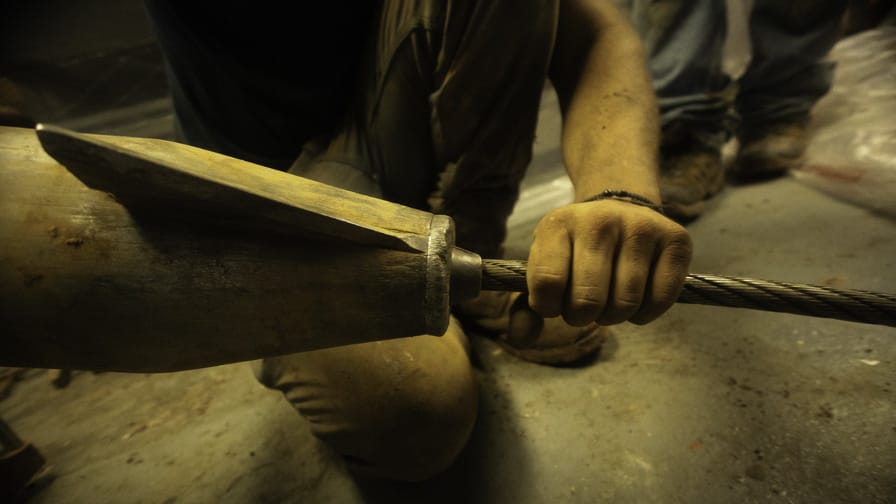
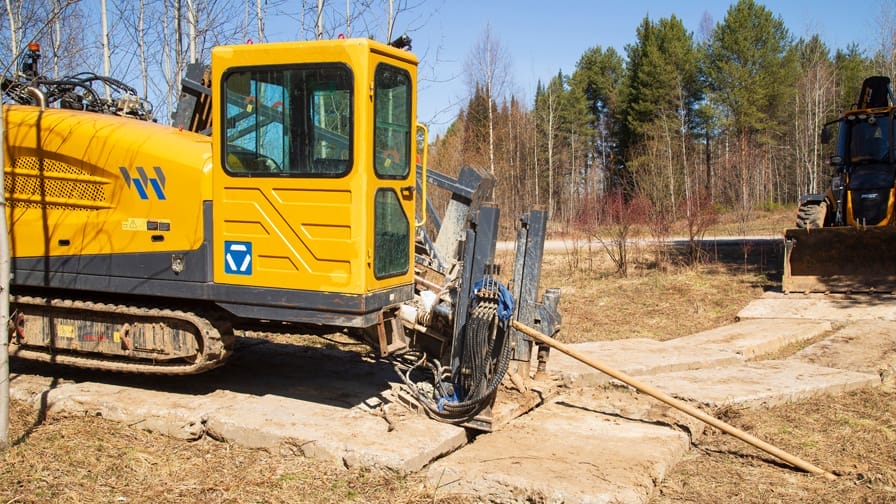
Horizontal Directional Drilling
Creates a new path when no followable route exists, including fully collapsed lines.
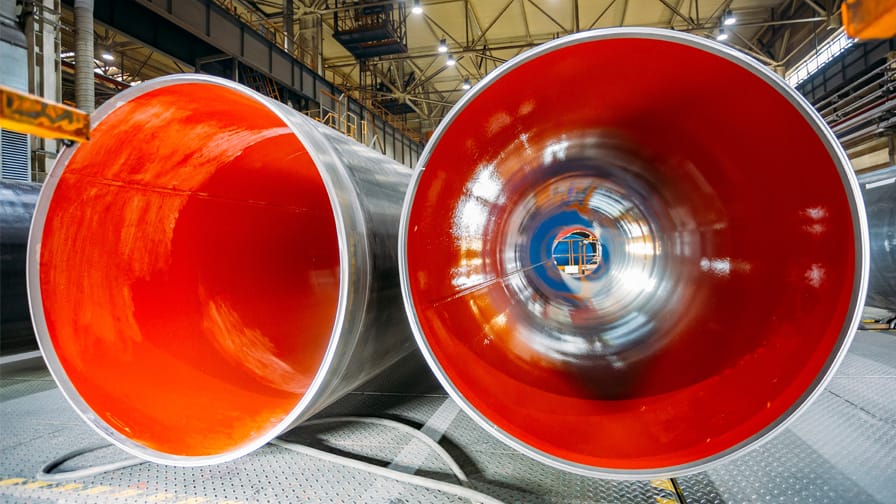
Epoxy Pipe Lining
Restores corroded metal pipe at the pinhole stage, before damage calls for a full structural liner.
Main Sewer Line Repair
Repairs the line most homeowners call the main - your sewer lateral, from the foundation to the point of connection - and settles whether anything past the tap is the town's to fix.

Sewer Lateral Connection
Repairs the tap itself — the one point on the run a liner can't rebuild.

How We Confirm Your Line Can Be Lined
Every lining decision starts with a sewer inspection. The camera answers four questions, and all four have to come back yes: is the route continuous end to end, is the cross-section still round, do the walls hold their shape, and is the slope intact? A line that passes is a lining candidate. A line that fails any one of them routes to a different method — our trenchless method guide walks through how those paths divide.
No liner gets proposed before that footage exists. The condition decides the method — not the other way around.
Benefits of Trenchless Sewer Lining
Rebuilds the pipe from the inside without excavating the yard
Seals every joint where roots entered — and removes the entry points
Preserves landscaping, driveways, and hardscape above the line
Adds decades of service life to the existing lateral
Improves flow with a smooth, seamless interior
Confirmed on camera before the crew leaves
How Arrow Performs Trenchless Pipe Lining
- Assessment — A camera inspection maps the damage by distance and confirms the host pipe can support a liner.
- Cleaning and preparation — Hydro jetting and root cutting clear the line so the liner bonds to sound pipe, not debris.
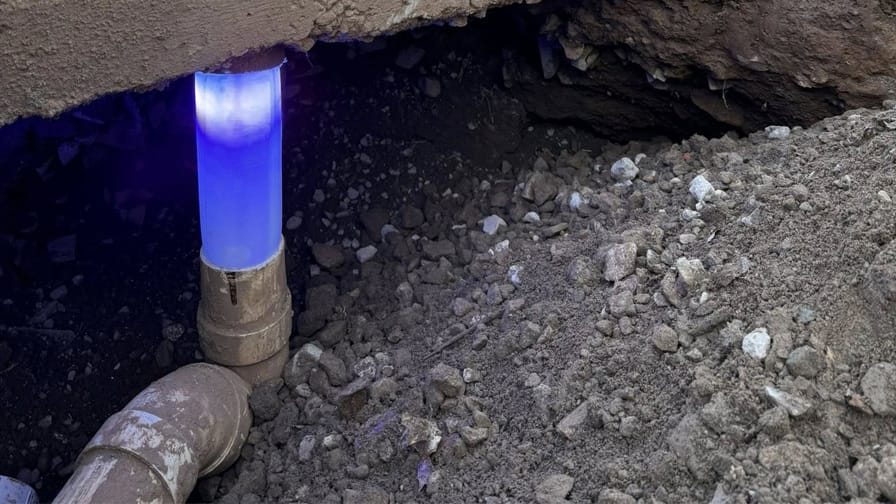
- Liner insertion — The resin-saturated liner is fed through an existing access point and positioned across the damaged section.
- Expansion and curing — The liner expands against the host pipe and cures into a hardened structural wall.
- Verification — A final camera pass confirms full curing, open connections, and a continuous joint-free interior.
Most residential linings are completed in about a day, depending on length and access.
Why Choose Arrow For Trenchless Pipe Lining
Lining is a repair you buy on evidence, and that’s how we present it. Every recommendation starts with recorded camera footage you see yourself — and when the footage shows your pipe can’t hold a liner, we tell you that too, and show you which repair it needs instead. It’s why homeowners bring us second opinions on lining quotes that never came with footage.
Arrow Sewer & Drain is a licensed New Jersey master plumber contractor (NJ MPL # 36BI01352100) serving the whole state with 24/7 emergency response. And because our crews line, burst, and drill, the method you get is the one your pipe needs — not the only one on the truck.
Financing For Trenchless Pipe Lining
Lining is usually the least disruptive repair a failing lateral can get, and the decision about what it runs starts with the condition the camera found — our guide to what a sewer repair costs in NJ breaks down realistic ranges by condition and method.
Arrow Sewer & Drain offers financing options for trenchless pipe lining throughout New Jersey, so a line the camera says can be saved gets saved — before the condition it has becomes the one it’s heading toward.
Nearby Service Locations To Support You
Are you looking for Trenchless Pipe Lining in New Jersey? We can provide you service from:
Middlesex County, NJ
We serve Middlesex County from our offices in Middlesex, NJ and South Plainfield, NJ.
Somerset County, NJ
We serve Somerset County from our offices in Basking Ridge, NJ, and Bound Brook, NJ.
FAQs About Our Trenchless Pipe Lining
Can my sewer line be lined?
It depends on what the camera shows, not the symptom. A liner needs a continuous route, a round cross-section, stable walls, and intact slope. Cracks, root damage, and corrosion in a pipe that holds its shape are strong candidates; bellies, severe offsets, deformed Orangeburg, and collapses are not.
Can Orangeburg pipe be lined?
Rarely. Orangeburg fails by deforming, and a liner can’t restore a pipe that’s lost its round shape. If the camera shows the run still round, lining may be possible — otherwise pipe bursting replaces the line along its existing path.
Does lining fix a belly or an offset?
Not a belly — the liner follows the sag, and the standing water stays. Minor joint separation within tolerance can be lined; a severe offset has to be corrected before a liner can seat across it.
How long does cured-in-place pipe lining last?
Decades. The cured liner resists corrosion and root intrusion, and because it’s seamless, the joint failures that started most of the original problems have nowhere to restart.
How long does trenchless pipe relining take?
Most residential projects are completed within a day, depending on pipe length and access.
How do you verify the lining was successful?
A final camera inspection confirms full curing, a continuous interior, and open connections — the same standard of evidence the decision to line was based on.
 Call Now: (908) 472-3801
Call Now for Trenchless Pipe Lining in New Jersey
If your line is backing up, or a contractor has told you it can't be saved, start with the camera. The footage shows whether lining is your repair — and if it isn't, it shows exactly what is.