New Jersey Hydro Jetting
Hydro jetting is a professional cleaning method that uses controlled high-pressure water to scour the inside of a pipe, clearing grease, sludge, soap buildup, root intrusion, and debris that standard snaking only punches through. The same core process works whether the problem is in an interior drain line or the sewer line running out to the street — what changes is how it is applied.
24/7 Emergency Hydro Jetting
A drainage emergency involves active backups, wastewater rising at lower fixtures, overflowing drains, or conditions that make the plumbing unsafe to use. In these situations the first priority is to stabilize the problem, control the overflow, and restore safe, controlled flow — not necessarily to jet the line immediately.
Hydro jetting is not always the first step during an active emergency. The immediate response may involve opening the line, relieving the backup, and identifying whether the cause is heavy buildup, root intrusion, or a larger structural failure. Once the line is stabilized, hydro jetting may be recommended to remove the material causing the repeated blockage.
Do You Need Emergency Hydro Jetting ?
Delaying service can allow backups to worsen, increase moisture exposure, and put additional stress on aging lines.
NJ Master Plumber License # 36BI01352100
Call (908) 472-3801What Is Hydro Jetting?
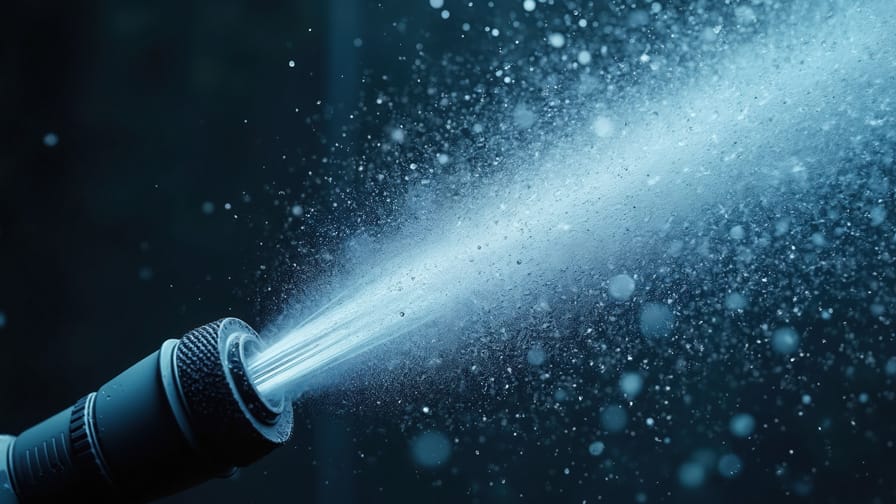
Hydro jetting uses controlled high-pressure water, delivered through a hose and specialized nozzle fed into the line through an access point — a cleanout, or a bathroom, kitchen, or basement drain — to clean the full interior wall of a pipe. Instead of punching a single hole through a blockage the way a snake does, hydro jetting scours the entire pipe diameter — removing grease, soap residue, sludge, mineral scale, root intrusion, and other debris so flow is restored more completely.
The important thing for a homeowner to understand is that hydro jetting is one process applied two different ways, depending on where the problem is. The natural dividing line is the cleanout — the point that separates the plumbing inside and under your building from the sewer line that runs out to the street. The same equipment is used on both sides, but the pressure and the nozzle tip are matched to the pipe. Below are the two applications.
Interior Drain Hydro Jetting
On the interior side — the drains and branch lines running from your fixtures down to the cleanout — hydro jetting clears the buildup that comes from everyday use: grease and fats, hair, soap residue, and food particles that collect along the walls of kitchen drains, bathroom branches, laundry lines, floor drains, and vertical stacks. This is the buildup that snaking only partially clears, which is why the same clog keeps returning.
Because interior pipes are smaller and can be older or more fragile, the pressure is dialed down and a less concentrated nozzle flow is used. The goal is to clean the pipe thoroughly without subjecting internal plumbing to more force than it can safely take — protecting lines that could crack or fail under the higher pressure and focused stream used on a sewer line. If a line is too deteriorated to jet safely, we say so rather than force it, and recommend evaluation instead.
Sewer Line Hydro Jetting
On the other side of the cleanout is the sewer line — the lateral that carries waste from your home out to the connection at the street. Homeowners usually call this the main sewer line; more precisely, it is your sewer lateral, the privately owned run between the house and the street. When recurring backups, slow drainage across the whole property, or repeated blockages suggest this line is not clearing, hydro jetting removes the heavier material that collects here: root intrusion at the joints, hardened scale, and sludge along the run.
Because the lateral is larger and built to handle more, the pressure is increased and nozzles suited to cutting roots and heavy scale are used. It is the same jetter as the interior work — tuned up rather than down — matched to the size, material, and condition of the line so it is cleaned effectively and safely.
In both cases, hydro jetting restores flow — it does not repair cracked, offset, corroded, or collapsed pipe. It is a cleaning method, not a structural repair, so restoring flow does not by itself confirm the pipe is in good condition. That is why a camera inspection is often recommended before and after jetting. Beforehand, an inspection establishes a baseline: it shows whether the problem is buildup that jetting will clear or structural damage that calls for a different path, and confirms the line can be safely jetted. Afterward, with the root intrusion or clog removed, the camera shows the cleaned pipe wall — revealing the line’s true condition so any repair can be strategized from evidence rather than assumption. For residential properties this is a sewer inspection; for commercial or larger-diameter systems, a CCTV sewer inspection. If you would like a copy of the inspection video for your records, one can be provided for a fee.
Related Sewer & Drain Services
Hydro jetting rarely works alone. An inspection comes first, confirming the line is sound enough to jet and showing what the blockage really is. Jetting then restores the flow. And once the pipe wall is clean, the camera reveals whether anything structural — a crack, an offset, root-damaged joints — needs a repair rather than another cleaning. The services below cover each step of that path, on both sides of the cleanout.
Drain Cleaning
Clear clogs, buildup, and debris from drains to restore proper flow and prevent recurring issues.

Drain Repair
Corrects cracked, offset, or sagging piping. Addresses structural causes of repeat backups. Recommended when cleaning alone is insufficient.

Sewer Inspection
Provides interior video evaluation of sewer piping. Identifies cracks, offsets, corrosion, and root intrusion.

Sewer Repair
Repairs damaged sewer lines through excavation or trenchless methods to restore proper wastewater flow and function.

Main Sewer Line Repair
Corrects localized structural damage in underground sewer piping. May use trenchless methods when pipe integrity allows.

Trenchless Sewer Repair
Trenchless sewer repairs restore damaged underground sewer infrastructure without extensive excavation.

What Causes Sewer and Drain Problems?
Most sewer and drain problems develop gradually, and the cause usually depends on which part of the system is involved — the interior drains inside your building or the sewer line running out to the street.
Inside the building, the problem is almost always buildup from everyday use. Grease and fats poured down kitchen drains, soap residue, hair, food particles, and sediment collect along the pipe wall and slowly narrow the passage. Flow drops, clogs return after basic clearing, and the same drains back up again and again. This is the buildup interior hydro jetting is designed to remove.
Out at the sewer line, the causes are often heavier and rooted outside the pipe. Tree and shrub roots work their way in through joints and cracks in search of moisture, forming masses that catch debris. Aging clay, Orangeburg, or cast iron pipe cracks, corrodes, and roughens on the inside, and scale builds up until the diameter narrows. Sections can shift out of alignment — an offset — and severe deterioration can lead to partial or full collapse.
The important distinction is between buildup and structural damage. Buildup restricts a sound pipe and can be cleared with hydro jetting. Structural problems — roots, cracks, offsets, corrosion, collapse — mean the pipe itself is failing, and cleaning alone won’t be a lasting fix. As a line becomes rough, misaligned, or damaged, it holds water and catches debris more easily, which accelerates buildup and produces problems that look like simple clogs but are tied to deeper conditions. Telling the two apart is what a camera inspection is for.
Signs You Need Hydro Jetting
Multiple fixtures draining slowly or backing up at the same time
The same drain clogging repeatedly, even after snaking
Gurgling sounds or sewage odors from drains
Grease-heavy or high-use plumbing that has never been fully cleaned
Slow flow that worsens gradually over time
Recurring backups in an older home with aging clay or cast iron pipe — a sign the problem may be structural, not just buildup
What Are the Benefits of Hydro Jetting?
- Clears grease, sludge, scale, and debris more thoroughly than snaking
- Restores stronger, more complete flow through the full pipe diameter
- Removes root intrusion from the line when conditions are appropriate
- Cleans the pipe wall so hidden defects can be seen and evaluated
- Pressure and nozzle matched to the pipe, protecting interior plumbing
- Supports better long-term maintenance of residential and commercial lines
How Arrow Performs Hydro Jetting
- Assessment — We review the symptoms, access points, backup history, and property type to confirm hydro jetting is the right method, and whether an active emergency needs the line stabilized first.
- Diagnostics — When conditions call for it, a camera inspection establishes a baseline before cleaning, showing whether the problem is buildup or structural damage and confirming the line can be safely jetted. Residential lines use a sewer inspection; commercial or larger-diameter systems use a CCTV sewer inspection.
- Service Execution — Controlled high-pressure water removes grease, roots, sludge, scale, and debris. The pressure and nozzle are tuned to the pipe’s material, size, and condition — lower and gentler on interior lines, higher on the sewer lateral.
- Verification — With the clog or root intrusion removed, we confirm the line is draining and, where warranted, the camera shows the cleaned pipe wall to reveal its true condition. If we find structural damage, we explain whether trenchless pipe lining, trenchless pipe bursting, sewer repair or replacement, or excavation is the more appropriate long-term fix.
- Cleanup — We leave the work area clean, explain what we found, and lay out the recommended next step.
Why Choose Arrow Sewer & Drain for Hydro Jetting
- Experience with both residential and commercial sewer and drain systems
- Focus on diagnosing recurring problems, not just clearing symptoms
- Pressure and nozzle calibrated to protect interior pipe materials
- Ability to identify when additional evaluation or repair is needed
- Familiarity with older New Jersey infrastructure and common pipe conditions
- Clear communication about findings and next-step recommendations
- Licensed and insured — NJ Master Plumber License #36BI01352100
Hydro Jetting Costs and Financing
The cost of hydro jetting follows the condition of the line, not the calendar. Which side of the cleanout the work is on, how long the run is, and how much cutting the nozzle has to do through roots or hardened scale all shape the job — so pricing is confirmed after the camera shows what the line needs. What a sewer repair costs in NJ covers how condition drives price, and a firm estimate always comes before any work begins.
Financing is available for larger jetting and repair work — you can get pre-qualified before any work begins.
Nearby Service Locations To Support You
Are you looking for Hydrojet Drain Cleaning in New Jersey? We can provide you service from:
Middlesex County, NJ
We serve Middlesex County from our offices in Middlesex, NJ and South Plainfield, NJ.
Somerset County, NJ
We serve Somerset County from our offices in Basking Ridge, NJ, and Bound Brook, NJ.
Frequently Asked Questions About Hydro Jetting
What does hydro jetting do?
Hydro jetting uses high-pressure water to clean the inside of a pipe, removing grease, sludge, scale, roots, and debris that build up along the walls and restrict flow. It cleans the full pipe diameter rather than punching a single opening through a clog.
How is hydro jetting a drain different from jetting a sewer line?
It is the same process tuned differently. On interior drains and branch lines down to the cleanout, the pressure is lower and the nozzle gentler to protect the pipe. On the sewer line past the cleanout, the pressure is higher and the nozzles are suited to roots and heavy scale.
Is hydro jetting better than snaking?
Snaking opens a path through a blockage; hydro jetting cleans the whole pipe wall. For recurring problems caused by buildup, jetting is usually the more complete and longer-lasting method.
Does hydro jetting guarantee the pipe is fully repaired?
No. Hydro jetting is a cleaning method, not a repair. It restores flow, but if the pipe has cracks, offsets, root-damaged joints, or other structural problems, those remain until they are addressed. A camera inspection after cleaning shows whether repair is needed.
Can hydro jetting remove tree roots?
It can break up and clear smaller root intrusion from the line, but it does not stop roots from returning if they are entering through a damaged joint or crack. Where roots keep coming back, the entry point usually needs repair.
When is trenchless repair or line replacement recommended instead?
When a camera inspection shows the line is cracked, offset, corroded, or otherwise failing rather than simply clogged, repair is the right path. Depending on condition, that may be trenchless pipe lining, trenchless pipe bursting, or sewer repair or replacement.
When is excavation necessary?
Excavation becomes necessary when trenchless methods are not viable — for example, when a line has collapsed or access does not allow a trenchless approach.
 Call Now: (908) 472-3801
Call Now for Hydro Jetting in New Jersey
If your property is dealing with recurring backups, slow drainage, or repeated blockages — in an interior drain or the sewer line — hydro jetting may be the way to restore full flow and reveal what is really happening inside the pipe. Arrow Sewer & Drain provides hydro jetting throughout New Jersey with a focus on proper diagnosis, long-term correction, and clear next-step recommendations.