New Jersey Sump Pump Installation
Sump pump installation helps protect properties from groundwater intrusion, basement flooding, and excess moisture buildup. Across New Jersey, soil conditions and fluctuating water tables can cause water to collect around foundations and below-grade spaces.
Emergency Sump Pump Installation
Emergency sump pump issues often develop when exterior water buildup and interior drainage failure occur at the same time. Heavy rainfall, poor grading, or overwhelmed drainage systems can allow water to accumulate around the foundation. As pressure increases, water can enter basements or crawlspaces, leading to flooding, rising sump pits, or pump failure—conditions that require immediate installation or system stabilization.
Need an Emergency Sump Pump Installation?
Our emergency plumbing service focuses on removing active water buildup, restoring pump function, and stabilizing interior drainage systems to prevent further flooding or damage.
NJ Master Plumber License # 36BI01352100
Call (908) 595-1587 TodayWhat Is Sump Pump Installation?
Sump pump installation involves placing a pump system inside a sump pit designed to collect and remove groundwater before it enters a structure. These systems are typically installed in basements, crawlspaces, or other low-lying areas where water naturally accumulates.
When water levels rise inside the pit, the pump activates and discharges water away from the foundation through a dedicated line. This helps reduce hydrostatic pressure and limit water intrusion.
Sump pump installation does not repair damaged pipes or correct structural failures within underground systems. Instead, it manages water accumulation as part of a broader drainage and plumbing strategy.
Water intrusion is not always caused by groundwater alone. In some properties, poor drainage conditions, restricted foundation drains, or improper water flow around the structure can increase the volume of water reaching the sump system. If these conditions are suspected, further evaluation may be recommended to determine whether drainage or underground infrastructure is contributing to the problem.
This may include a sewer inspection (for residential properties) or CCTV sewer inspection (for commercial properties) when deeper system conditions need to be confirmed.
This is where Sump Pump Installation becomes important, particularly in properties affected by high groundwater levels or poor subsurface drainage.
Sump systems are often installed alongside broader subsurface work, especially when drainage correction or access is required through an excavating contractor.
For general reference, sump pump systems are widely recognized as a standard method for managing groundwater.
Related Drainage Services
French Drain Installation
Professional French drain installation for groundwater control, hydrostatic pressure relief, and long-term basement drainage protection.
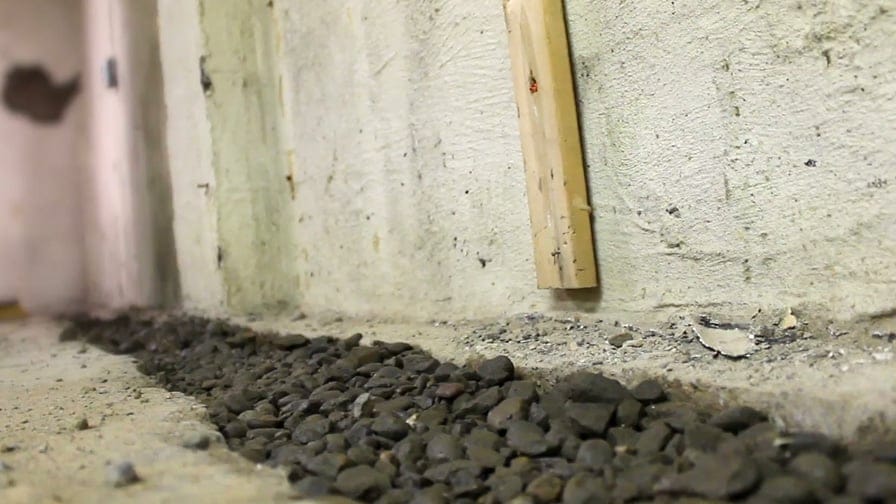
Basement Waterproofing
Basement waterproofing contractor serving Central New Jersey with interior drainage, exterior membranes, and sump pump systems.
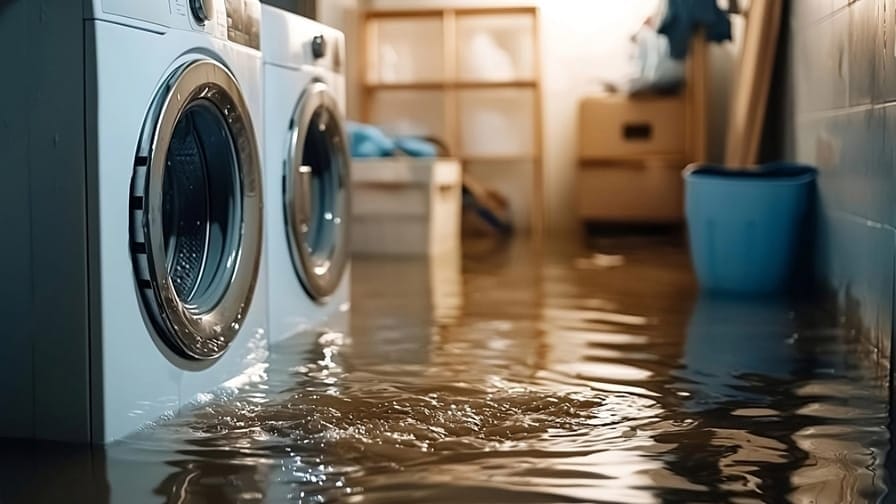
Sump Pump Backup Generator Connection
Protect your basement from flooding with reliable sump pump backup generator connection during power outages.
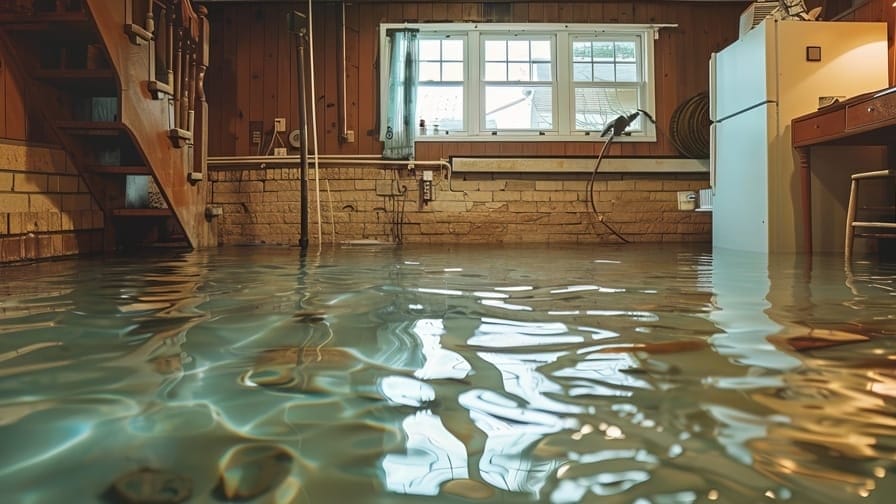
Backup Generator Service
Whole-house standby generator installation including sump pump, ejector pump, and backwater valve protection.
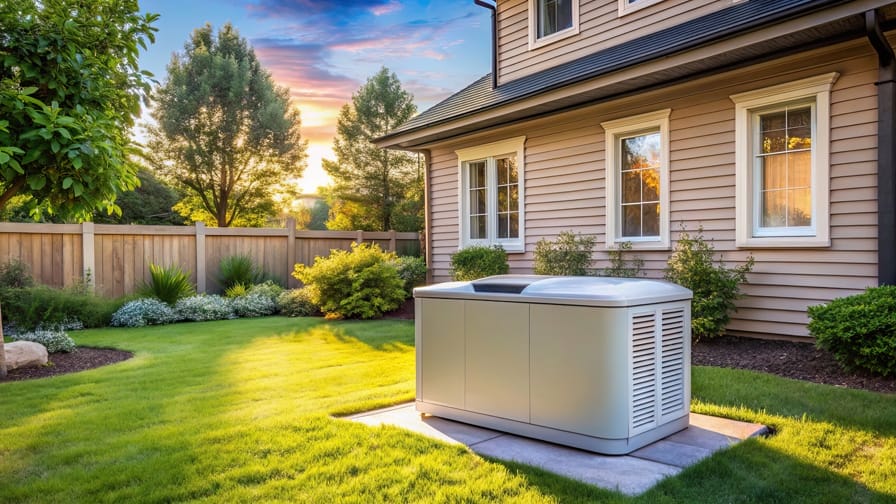
Drainage Contracting
Professional drainage solutions designed to control water flow, protect property, and prevent long-term structural damage.

Stormwater Management
Controls surface water runoff through drainage systems designed to manage flow, prevent pooling, and protect surrounding structures.

What Causes Sump Pump Problems?
Sump pump problems generally fall into two categories: properties that do not have a sump pump but are experiencing water intrusion, and properties where an existing sump pump system is no longer performing properly.
Properties Without a Sump Pump
In many New Jersey properties, sump systems are only installed after water issues begin. Without a controlled drainage point, groundwater and surface water collect around the structure.
Common causes include:
- High groundwater levels around the foundation
- Poor natural drainage due to clay or compacted soils
- Heavy rainfall or seasonal saturation
- Water collecting along foundation walls or slab edges
- Lack of a defined discharge path
Existing Sump Pump System Problems
For properties with an existing system, problems often occur when the pump fails or cannot keep up with demand.
Common causes include:
- Pump failure due to age or wear
- Undersized system for current site conditions
- Clogged or restricted discharge lines
- Debris buildup inside the sump pit
- Float switch or electrical failure
- Power outages during heavy storms
What Are the Benefits of Sump Pump Installation?
Helps prevent basement and crawlspace flooding
Reduces hydrostatic pressure against the foundation
Protects structural components of the building
Controls moisture and improves indoor air conditions
Provides a controlled pathway for groundwater removal
Supports proper drainage system performance

When the Problem Goes Beyond the Pump
In both scenarios, sump pump issues may be influenced by broader drainage or structural conditions. Water reaching the sump system is often a symptom rather than the root cause.
Underlying conditions may include:
- Root intrusion affecting nearby drainage pathways
- Cracking in underground piping or foundation structures
- Corrosion within aging drainage systems
- Scale buildup restricting flow
- Offsets or misaligned pipe sections
- Partial or complete pipe collapse
These conditions can increase the volume of water reaching the system or prevent proper drainage away from the structure. Identifying the full scope of the issue often requires further evaluation.
How Arrow Performs Sump Pump Installation
- Assessment
Evaluate property conditions, water intrusion patterns, and soil characteristics. - Diagnostics
Determine whether water accumulation is influenced by drainage conditions, plumbing performance, or underground infrastructure. This includes evaluating how water moves around the structure and determining if additional solutions—such as drain cleaning, trenchless sewer repair, or sewer repair or replacement—may be necessary. - Installation Execution
Install sump pit, pump system, and discharge piping. Excavation or hydro excavation may be used to properly position the system and establish effective drainage. - Verification
Test system performance, confirm proper discharge, and evaluate overall function under expected conditions. - Cleanup
Restore the installation area and ensure surrounding surfaces are stable.
Why Choose Arrow Sewer & Drain for Sump Pump Installation
- Experience with New Jersey soil and groundwater conditions
- Structured approach to diagnosing water intrusion problems
- Ability to integrate sump systems with drainage and plumbing solutions
- Service for both residential and commercial properties
- Equipped for excavation and subsurface installation work
- Focus on long-term performance and system reliability
Get Financing
Get Pre-Qualified Today So Our Trained professionals Can Help With Any Storm Water Issues You Have
Nearby Service Locations To Support You
Are you looking for Sump Pump Installation in New Jersey? We can provide you service from:
Middlesex County, NJ
We serve Middlesex County from our offices in Middlesex, NJ and South Plainfield, NJ.
Somerset County, NJ
We serve Somerset County from our offices in Basking Ridge, NJ, and Bound Brook, NJ.
FAQs About Sump Pump Installation
Does installing a sump pump solve all water problems?
No. A sump pump manages groundwater, but it does not correct all drainage or plumbing issues. Additional evaluation may be required if water movement is affected by other conditions.
What if I don’t currently have a sump pump, but I’m getting water in my basement?
If water is entering the structure and no sump system is present, installation may be recommended to create a controlled drainage point and reduce pressure around the foundation.
Can an existing sump pump system be replaced without full installation?
Yes. If the sump pit and discharge system are in good condition, the pump itself can often be replaced. Evaluation helps confirm that the system is still properly sized and functioning.
Why is my sump pump running but water is still building up?
This may indicate that the system is undersized the discharge line is restricted, or surrounding drainage is not functioning properly.
Can clogged drains affect sump pump performance?
Yes. If drainage systems feeding the sump pit are restricted, water may not move properly into or away from the system. Drain cleaning may be recommended to restore flow.
When is excavation required for sump pump installation?
Excavation is often necessary to install the sump pit, adjust drainage pathways, or access subsurface areas. Hydro excavation may be used in certain conditions to minimize disruption.
 Call Now: (908) 472-3801
Call Now for Sump Pump Installation in New Jersey
Sump pump installation helps control groundwater and protect your property from long-term moisture damage. Proper system placement begins with understanding how water moves through soil and around your structure. Arrow Sewer & Drain provides professional evaluation and installation services across New Jersey, ensuring each system is designed for reliable performance.