Key Takeaways
- Arrow Sewer & Drain provides comprehensive residential septic-to-sewer conversion services throughout New Jersey, handling every step from assessment to final connection.
- Our experienced team manages all permitting, excavation, plumbing, and pipe repairs in-house, giving you a single point of contact and a more efficient process.
- We use specialized equipment and follow all New Jersey regulations to ensure your conversion is safe, minimally disruptive, and fully compliant.
- For your peace of mind, Arrow Sewer & Drain offers 24/7 emergency services and brings decades of local expertise to every residential sewer line installation.
What Is Residential Septic-to-Sewer Conversion?
Residential septic-to-sewer conversions involve disconnecting a home from its existing sewer system and connecting it to a city’s sewer line. This transition is often required when a city expands its infrastructure, or when a homeowner wants to eliminate the maintenance and environmental risks associated with septic systems.
It involves several key steps to ensure a safe, compliant, and efficient transition. Here’s how the process typically works in New Jersey:
- Performing initial assessment and consultation: A licensed technician will inspect your current septic system, evaluate your property layout, and determine the best approach for connecting to the municipal sewer line. This includes checking for access points and local code requirements.
- Permitting and planning: The next step involves securing the necessary permits from your local health department or municipality. Arrow Sewer & Drain handles all paperwork and planning to ensure the project complies with New Jersey regulations.
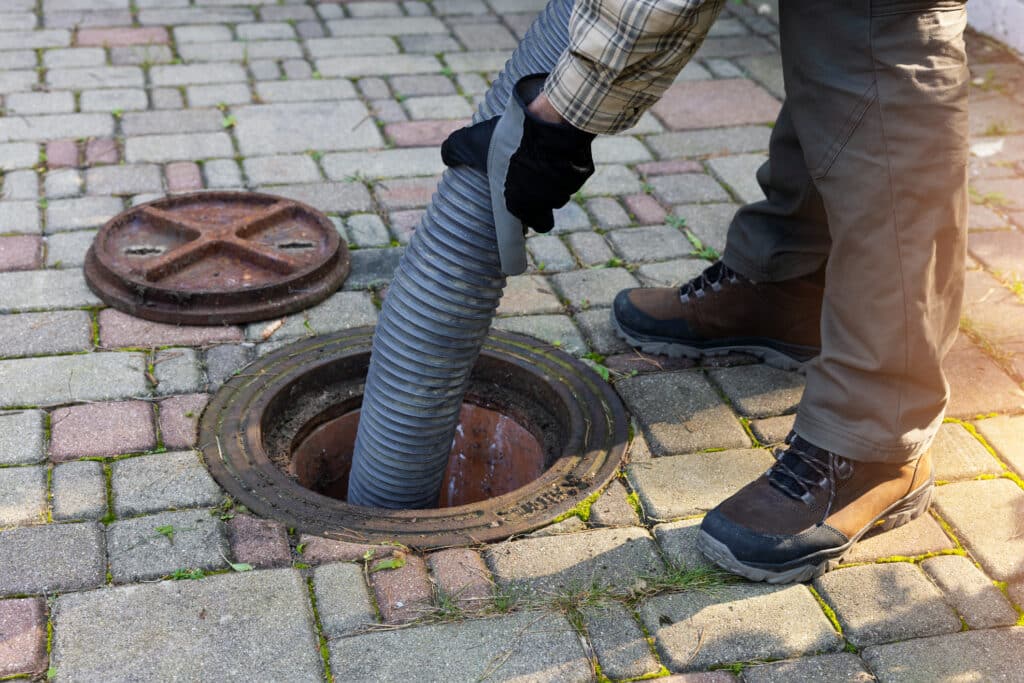
- Excavating and installing pipes: Our team uses specialized equipment, including hydro and air excavation tools, to dig trenches and install new sewer lines with minimal disruption to your property. We ensure connection to the city’s main sewer system.
- Completing septic system abandonment: Once the new sewer line is in place, the existing septic tank is professionally decommissioned. This includes pumping, cleaning, crushing, or removing the tank, and backfilling the area to prevent future hazards.
- Doing final connection and testing: The new sewer line is connected to your home’s plumbing system, and a final inspection is performed to verify proper flow, sealing, and code compliance. We ensure everything is functioning correctly before closing the project.
With Arrow Sewer & Drain, residential septic-to-sewer conversion is handled from start to finish by one experienced team, saving you time, money, and hassle.
Advantages of Septic-to-Sewer Conversion
Switching from a residential septic system to a municipal sewer connection offers a wide range of benefits for homeowners. Whether you’re planning a renovation, preparing to sell your home, or simply looking for a more reliable waste management solution, the advantages of septic-to-sewer conversion include:
Environmental Benefits
Municipal sewer systems are designed to handle waste more efficiently and with less risk to the environment. Unlike septic systems, which can leak or overflow, sewer connections reduce the chance of groundwater contamination, soil pollution, and health hazards from untreated waste. This makes conversion a smart choice for families and communities focused on long-term sustainability.
Compliance with NJ Regulations
In many New Jersey municipalities, homeowners are required to connect to public sewer systems when they become available. Professional conversion ensures full compliance with local codes, including proper permitting, inspections, and documentation. Arrow Sewer & Drain handles every step of the process, so you don’t have to worry about legal issues.
Peace of Mind for Homeowners
Septic systems require regular pumping, inspections, and maintenance. By converting to sewer, you eliminate these ongoing responsibilities and gain a more reliable, low-maintenance solution. With our expert team managing your conversion, you can rest easy knowing your system is safe, efficient, and built to last.
Choose Arrow Sewer & Drain for Residential Septic-to-Sewer Conversion
When you’re ready to convert your residential septic system to a sewer system, choose Arrow Sewer & Drain for a seamless experience. We have decades of expertise, specialized equipment, and transparent pricing, so you can move forward with confidence. Our team is familiar with local codes, and we’re also available 24/7 for emergency services. To schedule your consultation for residential septic-to-sewer conversion in NJ, contact us today.
FAQs About Residential Septic-to-Sewer Conversion
How long does conversion take?
Most conversions are completed in just a few days, depending on the property size, weather, and permitting.
Are permits required?
Yes, permits are required in NJ to perform residential septic-to-sewer conversions. Arrow Sewer & Drain can handle all paperwork and approvals for you.
Will my property be disrupted?
Some excavation may be necessary, but we use advanced equipment to minimize the impact on your property and restore it after the project.
Can Arrow Sewer & Drain handle all plumbing and pipe repairs?
Yes, we can cover all aspects of your project, including excavation, pipe repair, and plumbing, so you can use a single point of contact for efficient project management.