A house sewer line diagram shows how wastewater travels from plumbing fixtures inside a building to either a municipal sewer system or a private septic system. While the phrase “house sewer line” is commonly used, the same drainage structure applies to many types of buildings, including residential homes, mixed-use properties, and smaller commercial facilities.
Understanding how these systems are arranged also helps explain the different types of sewer pipes used in underground infrastructure and how various materials influence durability, corrosion resistance, and long-term maintenance.
Most sewer systems follow a predictable layout. Wastewater from sinks, toilets, floor drains, and appliances flows through interior drain pipes before entering the building’s main sewer line, which then carries wastewater away from the property.
When property owners understand how the system is structured, it becomes easier to recognize where sewer problems may develop and how inspections and repairs are performed
How Wastewater Moves Through a Building Sewer System
A sewer system primarily relies on gravity to transport wastewater away from a building.
In most properties, wastewater follows a flow pattern similar to this:
Plumbing Fixtures → Branch Drain Lines → Main Building Drain → Sewer Lateral → Municipal Sewer or Septic System
Each section of the system performs a specific function.
Fixtures such as toilets, sinks, showers, dishwashers, and floor drains discharge wastewater into smaller pipes known as branch drain lines. These pipes collect wastewater from individual fixtures or groups of fixtures.
Branch drains connect to the main building drain, which runs beneath the structure and gathers wastewater from the entire building.
From there, wastewater exits the building through the sewer lateral, the underground pipe that carries wastewater toward either the municipal sewer system or a septic tank installed on the property.
To better understand how interior drainage differs from the main sewer system, it is helpful to review the difference between a sewer pipe vs drain pipe and how each section functions within a plumbing system.
Key Components in a House Sewer Line Diagram
A typical house sewer line diagram highlights several components that allow wastewater to move safely through the plumbing system.
These components include:
Plumbing fixtures
Fixtures such as toilets, sinks, bathtubs, showers, and appliances discharge wastewater into the drainage system.
Branch drain lines
These pipes carry wastewater from individual fixtures to the building’s main drainage pipe.
Stacks and vent piping
Vertical stacks carry wastewater between floors, while vent pipes allow air into the system to maintain proper pressure and prevent traps from losing their water seal.
Main building drain
This is the primary horizontal drainage pipe that collects wastewater from the entire structure before directing it toward the sewer connection.
Cleanout access points
Cleanouts provide access to the sewer system so technicians can inspect or clear blockages without excavation.
Sewer lateral
The sewer lateral is the underground pipe connecting the building to the municipal sewer main or septic system.
Understanding these components helps property owners visualize how wastewater moves through the system.
Municipal Sewer Connections
Many properties discharge wastewater into a municipal sewer system. In these systems, wastewater flows from the building drain into the sewer lateral, which runs underground toward the municipal sewer main located beneath the street or within a utility easement.
The sewer lateral is often the responsibility of the property owner and is one of the most common locations where sewer problems develop.
In some areas, properties that originally relied on septic systems are later connected to municipal sewer infrastructure. When public sewer lines become available, property owners may choose to perform a septic to sewer conversion to connect their building to the municipal wastewater system.
Over time, sewer laterals may experience issues such as:
tree root intrusion
corrosion in older pipe materials
cracked or collapsed pipe sections
joint separation
shifting soil conditions
Because these pipes are buried underground, identifying the exact location of damage typically requires specialized inspection equipment.
Septic System Connections
Some properties rely on private septic systems rather than municipal sewer infrastructure.
In these systems, wastewater still leaves the building through the main sewer pipe, but instead of entering a municipal sewer main, it flows into a septic tank, located on the property.
The wastewater path usually follows this sequence:
Building Drain → Septic Tank → Distribution Box → Leach Field
The septic tank separates solid waste from liquid wastewater. The liquid portion flows into a distribution box, which evenly directs wastewater into the leach field.
The leach field consists of perforated piping buried in gravel trenches that allow wastewater to filter gradually into surrounding soil.
Because septic systems rely on soil absorption, the location and condition of the septic tank and leach field are critical for proper wastewater treatment.
Mapping Sewer Lines and Septic Components
Many property owners do not know the exact location of their sewer line or septic system until repairs are required.
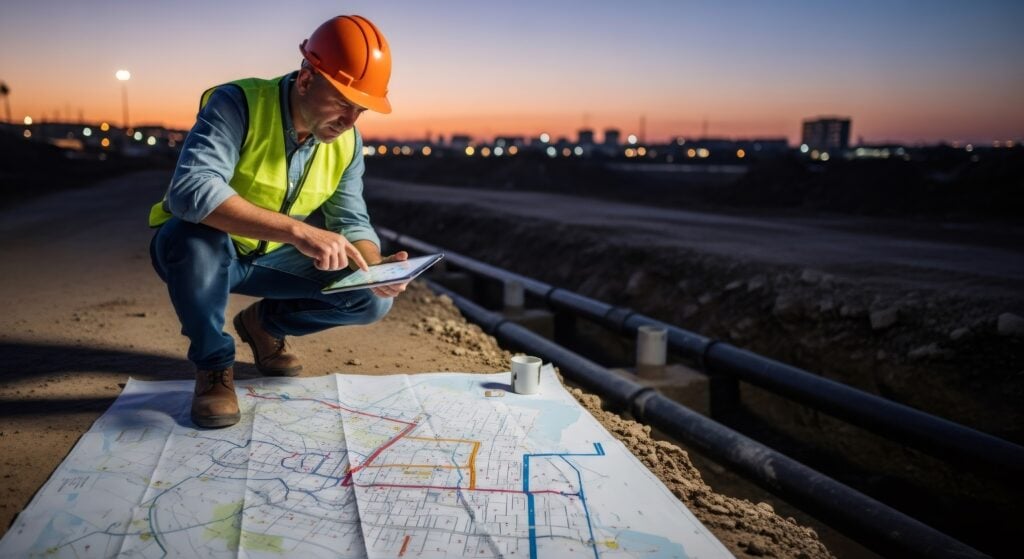
Creating a basic map of the system can help prevent accidental damage during excavation, landscaping, or construction work.
The first step is identifying where the main sewer pipe exits the building. This location is usually found near the lowest plumbing level, often in a basement or crawlspace.
From that point, the sewer pipe typically runs underground toward the street sewer connection or toward the septic tank.
If the property uses a septic system, mapping should also include:
the septic tank
the distribution box
the leach field
Local health departments sometimes maintain septic installation records that show where these components were originally installed.
If you are unsure what material your sewer line is made from, there are several ways to identify the type of sewer pipe on your property, including inspection methods and visible clues.
How to Find Your Sewer Cleanout
A sewer cleanout is an access point installed along the main sewer line that allows technicians to inspect the pipe or remove blockages.
Most properties have at least one cleanout located near where the sewer line exits the structure.
Cleanouts may be found:
- in the basement along the sewer pipe
- outside near the building foundation
- in the yard between the building and the sewer connection
- near the septic tank on properties with septic systems
Cleanouts typically appear as short vertical pipes with a removable cap.
For residential properties, technicians often perform a sewer scope inspection through the cleanout using a small camera designed to travel through residential sewer piping.
In larger commercial facilities and municipal systems, technicians may perform CCTV sewer inspections, which use specialized equipment designed to inspect large-diameter sewer pipes, typically 18 to 24 inches or larger.
Knowing where the sewer cleanout is located can make it easier to respond quickly if a blockage or backup occurs.
How Deep Are Sewer Lines Usually Buried?
The depth of a sewer line varies depending on building codes, soil conditions, and the distance between the building and the sewer connection.
In many properties, the sewer pipe leaving the building is buried between two and six feet below ground, although deeper installations are common.
Several factors influence sewer pipe depth.
Gravity flow requirements
Sewer pipes must slope downward so wastewater can flow away from the building.
Distance to the sewer connection
Longer distances between the building and the municipal sewer main may require deeper pipe installation.
Frost depth
In colder climates, sewer lines are often installed below the frost line to prevent freezing.
Property grading
Sloped terrain can cause sewer lines to change depth as they travel toward the sewer main or septic system.
Understanding approximate sewer pipe depth can help prevent accidental damage during excavation or landscaping projects.
Areas Where Sewer Lines Commonly Develop Problems
Certain sections of the sewer system are more vulnerable to damage than others.
One common problem area is the transition point where the sewer pipe exits the building foundation. Soil movement and temperature changes can place stress on pipe joints over time.
Older properties may also contain pipe materials that deteriorate with age, including clay sewer pipe and Orangeburg pipes, both of which were commonly used in mid-20th-century sewer installations.
Tree roots are another common cause of sewer line damage. Roots can enter sewer pipes through small cracks or joints, eventually causing blockages or structural failures.
When structural damage occurs in the underground sewer line, professional New Jersey sewer repair may be necessary to restore proper wastewater flow.
Final Thoughts
A house sewer line diagram provides a useful visual explanation of how wastewater systems operate beneath a property. Although most of the infrastructure is hidden underground, these systems follow a consistent layout that directs wastewater from plumbing fixtures to either a municipal sewer connection or a septic system.
Understanding the structure of a sewer system helps property owners recognize warning signs of potential problems, locate important components such as cleanouts and septic tanks, and avoid damaging underground infrastructure during construction or landscaping projects.
When sewer issues develop, professional inspection equipment can help identify the location of the problem and determine whether cleaning, repair, or replacement is required.