
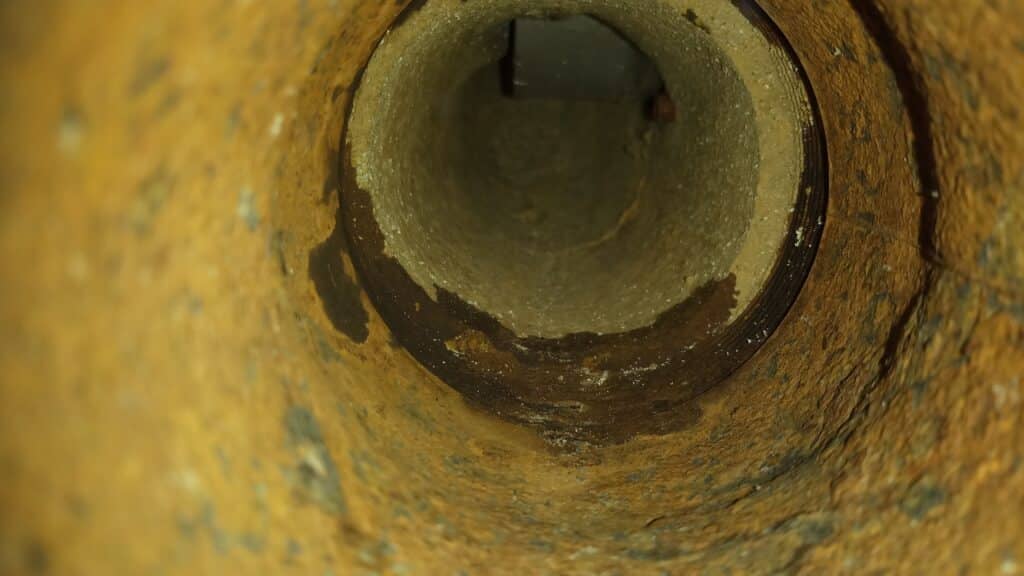
Sewer pipes are buried underground, which means most property owners rarely know what type of material carries wastewater away from their building. However, identifying the pipe material can provide valuable insight into how a sewer system will perform over time and what types of problems may eventually develop.
Different materials respond differently to soil pressure, corrosion, and root intrusion. Some pipes remain structurally stable for decades, while others are more prone to cracking, collapse, or deformation as they age.
Understanding how to identify sewer piping can help both residential and commercial property owners better evaluate drainage issues and determine when structural repairs may be necessary.
If you are researching the types of sewer pipes used in modern and older drainage systems, recognizing the signs of each material is an important first step.
Why Sewer Pipe Material Matters
The material used in a sewer line plays a major role in how the system performs over time.
Pipe material influences:
- Expected service life
- Resistance to corrosion
- Vulnerability to tree root intrusion
- Structural strength under soil pressure
- Likelihood of cracking, deformation, or collapse
Older infrastructure often relies on materials that were widely used decades ago but may now be approaching the end of their functional lifespan. Newer systems typically use modern plastic piping designed for durability and corrosion resistance.
Understanding the sewer pipe materials used on a property can help explain why certain problems occur and what type of repair strategy may be required.
Visible Signs That May Indicate Sewer Pipe Material
Even though most sewer lines are buried underground, there are often clues that can suggest what material was used.
Some of the most common indicators include:
- The age of the building
- Visible pipe sections inside the building
- Sewer cleanout access points outside the structure
- Previous plumbing repair records
- Drainage problems such as recurring blockages or root intrusion
These observations do not always confirm the pipe material with certainty, but they often narrow the possibilities before a full inspection is performed.
They can also help explain the house sewer line layout, including where the underground pipe exits the building and travels toward the municipal sewer connection.
Clay Sewer Pipes
Clay sewer pipes were widely used in residential sewer installations throughout the early and mid-20th century. Many properties built before the 1970s still rely on these systems.
Common indicators of a clay sewer pipe include:
- Homes built before the 1970s
- Frequent root intrusion in the main sewer line
- Recurring blockages in older properties
- Ceramic-looking pipe sections visible at cleanouts
Clay pipes can remain functional for many decades, but they are brittle and can crack when soil shifts or roots push against the pipe joints.
For a more detailed explanation of durability and failure patterns, see our guide explaining clay sewer pipe and how long it lasts.
Cast Iron Sewer Pipes
Cast iron piping was commonly used for interior drainage systems and sometimes for sewer laterals connecting buildings to the municipal sewer system.
These systems are most often found in properties constructed between the early 1900s and the 1970s.
Possible signs of cast iron sewer piping include:
- Dark metal piping visible in basements or utility rooms
- Rust buildup on exposed pipe surfaces
- Narrowing pipe interiors due to corrosion
- Gradually worsening drainage performance
Although cast iron is structurally strong, corrosion can slowly weaken the pipe walls over time.
Understanding the behavior of different sewer pipe materials helps explain why older drainage systems eventually develop structural issues.
Orangeburg Sewer Pipes
Orangeburg pipe was installed in many sewer systems between the 1940s and early 1970s.
Unlike clay or metal pipes, Orangeburg is made from compressed layers of wood pulp fibers and pitch. While it was inexpensive and easy to install, the material gradually deteriorates under soil pressure and moisture exposure.
Common signs of Orangeburg pipes include:
- Homes built between the 1940s and 1970s
- Pipes that appear flattened or deformed
- Recurring sewer backups
- Sections of pipe that look warped or compressed during inspection
Because the material weakens with age, many properties eventually require replacement once the pipe begins to collapse.
You can learn more about this material in our article explaining what Orangeburg pipes are and why they fail.
PVC and Modern Plastic Sewer Pipes
Newer sewer systems are typically installed using PVC or other modern plastic piping.
PVC sewer pipes are commonly found in:
- Homes built after the late 1970s
- Properties where the sewer line has already been replaced
- Newer commercial construction projects
Signs that a property may have PVC sewer piping include:
- White or green plastic pipe visible at cleanouts
- Smooth interior pipe surfaces
- Recent plumbing upgrades or sewer replacement work
Modern plastic piping resists corrosion and root penetration better than many older materials, though damage can still occur due to soil movement or excavation activity.
These newer installations represent one of the more durable types of sewer pipes currently used in drainage systems.
Property Age Often Provides Important Clues
The age of a property often provides helpful clues about what type of sewer pipe may be installed underground.
Typical construction patterns include:
- Pre-1950 buildings: clay or cast iron sewer systems
- 1940s–1970s buildings: possible Orangeburg installations
- 1970s and newer buildings: PVC or plastic piping
However, many properties have undergone partial repairs or upgrades over time. In some cases, sections of the sewer lateral may have been replaced while other portions of the original pipe remain.
Because of this, property age should be viewed as a helpful indicator rather than a definitive answer.
Where Sewer Pipes Usually Run on a Property
Most sewer lines follow a relatively predictable path from the building to the municipal sewer connection.
Wastewater exits the structure through the main building drain and connects to the underground sewer lateral outside the foundation. From there, the pipe typically runs in a straight line toward the street or the nearest public sewer main.
On many properties, sewer lines:
- Exit the building near a basement wall or crawlspace
- Travel beneath yards, parking areas, or landscaping
- Follow a gradual downward slope toward the street
- Pass through areas used for outdoor construction or excavation
Understanding this layout helps property owners visualize the house sewer line diagram and identify areas where underground piping may be located.
How Residential Excavation Can Damage Sewer Pipes
Many sewer line failures begin during landscaping or excavation projects around a home.
Because sewer laterals run underground between the house and the municipal sewer system, digging in these areas can accidentally damage the pipe if its location is unknown.
Common residential projects that sometimes impact sewer lines include:
- Installing garden beds
- Planting trees or shrubs
- Installing fence posts
- Building patios or walkways
- Installing irrigation systems
- DIY trenching or drainage work
Older pipe materials such as clay or fiber-based sewer piping are particularly vulnerable to cracking when surrounding soil is disturbed.
Even when the pipe is not immediately broken, excavation can shift soil support around the pipe and cause joints to separate or sections of pipe to settle unevenly.
Excavation Risks for Commercial Sewer Systems
Commercial sewer infrastructure is often more complex than residential drainage systems.
Large buildings may have:
- Multiple sewer connections
- Interior floor drain networks
- Large-diameter sewer piping
- Stormwater drainage systems
- Utility corridors shared with other underground services
Construction activity such as parking lot reconstruction, utility trenching, or building expansion can sometimes place stress on existing sewer infrastructure.
If excavation occurs without knowing the location or condition of underground piping, structural damage may occur — particularly in systems built with older materials.
When sewer lines crack, collapse, or become misaligned due to construction activity, professional New Jersey sewer repair may be required to restore proper drainage.
Confirming Sewer Pipe Material
Although property age and visible clues can suggest the likely pipe material, the only reliable way to confirm what exists underground is through direct inspection.
A sewer inspection allows technicians to view the interior of the pipe and determine:
- The exact pipe material
- Structural condition of the line
- Cracks, root intrusion, or corrosion
- Areas of collapse or pipe misalignment
This process provides the most accurate way to identify the pipe material and evaluate the overall health of the sewer system.
Understanding Sewer Pipe Types Helps Prevent Larger Problems
Recognizing the different sewer pipe types installed on a property helps property owners understand how their drainage system functions and what risks may develop as the infrastructure ages.
Each material has its own predictable failure patterns. Clay pipes may crack, cast iron pipes may corrode internally, and Orangeburg pipe may gradually deform or collapse under soil pressure.
By identifying the material used in a sewer system, both residential and commercial property owners can better anticipate potential problems and plan repairs before major failures occur.
Understanding the structure and condition of underground piping is one of the most effective ways to prevent costly sewer emergencies and maintain reliable wastewater flow.
Quick Ways to Identify the Sewer Pipe on Your Property
If you are trying to determine what type of sewer pipe exists on your property, a few simple observations can often narrow down the possibilities.
- Check the Age of the Building
The construction era often provides the first clue about sewer pipe materials.
Typical installation periods include:
- Pre-1950 buildings: clay or cast iron pipes
- 1940s–1970s buildings: possible Orangeburg pipe installations
- 1970s and newer buildings: PVC or modern plastic piping
Older infrastructure may also contain a mix of materials if sections of the line were replaced over time.
- Look for Visible Pipe Sections
In many buildings, small portions of the sewer system may be visible inside basements, crawlspaces, or utility rooms.
For example:
- Dark metal pipes may indicate cast iron
- White or green plastic pipes often indicate PVC
- Older ceramic-looking pipes may indicate clay
These visible sections do not always confirm the entire sewer line material, but they can provide helpful clues.
- Review Past Plumbing or Sewer Records
Previous sewer repairs, plumbing permits, or inspection reports may identify the pipe material used on the property.
This is especially common in properties where partial sewer line replacements were performed.
- Have the Sewer Line Professionally Inspected
The most reliable way to determine sewer pipe material is through a professional inspection that visually examines the inside of the pipe.
An inspection allows technicians to identify the material and evaluate the structural condition of the line at the same time.
FAQs About Sewer Pipe Identification
How do I know what sewer pipe I have?
The easiest way to estimate sewer pipe material is by considering the age of the property, checking visible plumbing sections, and reviewing any past sewer repair records. A professional inspection is the most reliable way to confirm the pipe material.
What type of sewer pipe lasts the longest?
Modern PVC piping generally has the longest service life because it resists corrosion and root intrusion better than many older materials. However, installation quality and soil conditions can still affect long-term performance.
Can sewer pipes be damaged during landscaping or construction?
Yes. Digging, trenching, or heavy equipment can damage underground sewer pipes if the pipe location is unknown. This risk exists on both residential and commercial properties, particularly when older materials are present.
Do all buildings have the same type of sewer pipe?
No. Sewer systems often contain different materials, especially in older buildings where sections of the line may have been repaired or replaced over time.