New Jersey Industrial Plumbing
Industrial plumbing systems support manufacturing facilities, warehouses, processing plants, distribution centers, and other large properties that depend on reliable water supply and drainage infrastructure. These systems help deliver water throughout the building, maintain sanitation systems, and safely move wastewater away from the facility.
24/7 Emergency Industrial Plumbing
Industrial plumbing emergencies can disrupt facility operations and create safety risks if they are not addressed quickly. Situations such as major pipe leaks, drain backups, broken supply lines, sudden pressure loss, or wastewater backups may require immediate response.
In large industrial facilities, plumbing infrastructure often serves multiple sections of a building or several connected structures. When a failure occurs in one part of the system, it can affect drainage performance, sanitation systems, or water supply throughout the property.
Need Emergency Industrial Plumbing
After the immediate plumbing issue is controlled, a full evaluation helps determine the underlying cause and whether additional repairs are needed to prevent the issue from returning. For urgent service assistance, call Arrow Sewer and Drain today.
Call (908) 595-1597What Is Industrial Plumbing?
Industrial plumbing refers to the plumbing systems that deliver water, manage drainage, and remove wastewater within large industrial facilities. These systems support manufacturing plants, warehouses, processing facilities, distribution centers, and other industrial environments where reliable plumbing infrastructure is necessary for daily operations. Industrial plumbing is often considered a specialized segment of broader commercial plumbing services used in large facilities.
Industrial complexes often contain extensive piping networks that run throughout buildings and across the surrounding property. In general, plumbing refers to the system of pipes and fixtures used to distribute water and remove wastewater within buildings and properties.
Unlike residential systems, industrial plumbing networks typically operate under heavier demand and across larger buildings. These systems may include water supply piping, sanitation systems, floor drains, equipment water connections, and building sewer lines that transport wastewater away from the facility.
Industrial properties may also contain process piping associated with manufacturing operations. These systems may carry chemicals, compressed air, or other production materials and are typically maintained by mechanical specialists rather than plumbers. Industrial plumbing focuses on the water supply, sanitation, and drainage infrastructure that supports the facility itself.
Restoring drainage or clearing a blockage does not always confirm the full condition of the pipe. When deeper structural concerns are suspected, further evaluation may be recommended to determine whether deterioration or pipe damage is present. This may involve a sewer scope inspection for residential properties, or a CCTV sewer inspection for commercial properties before determining whether trenchless sewer repair, sewer repair or replacement, or excavation is necessary.
What Causes Industrial Plumbing Problems?
Industrial plumbing systems operate under continuous demand and environmental stress. Over time, pipes and fittings within industrial plumbing infrastructure experience wear caused by pressure fluctuations, temperature changes, heavy water usage, and exposure to moisture or industrial materials.
Blockages can develop when debris, sediment, grease, or production byproducts accumulate inside drainage pipes. As these materials build up, they restrict water flow and can cause wastewater to back up into floor drains or plumbing fixtures within the facility.
Structural problems may also develop within underground sections of an industrial plumbing system. Root intrusion can enter through small openings in buried pipes, while cracking or corrosion may weaken pipe walls over time. Scale buildup can gradually reduce pipe diameter and slow drainage performance.
In some situations, sections of pipe may shift out of alignment, creating offsets that interrupt proper flow through the plumbing system. As deterioration progresses, sections of pipe may weaken further and eventually lead to partial pipe collapse.
Because many of these conditions occur inside buried infrastructure, identifying the exact cause often requires evaluation by an experienced industrial plumber before determining the most appropriate repair strategy.
Related Services
This is a list of related services that are applicable to industrial plumbing services.
Emergency Plumbing
24/7 emergency plumbing services providing rapid response to stop damage and restore system stability
Commercial Plumbing Services
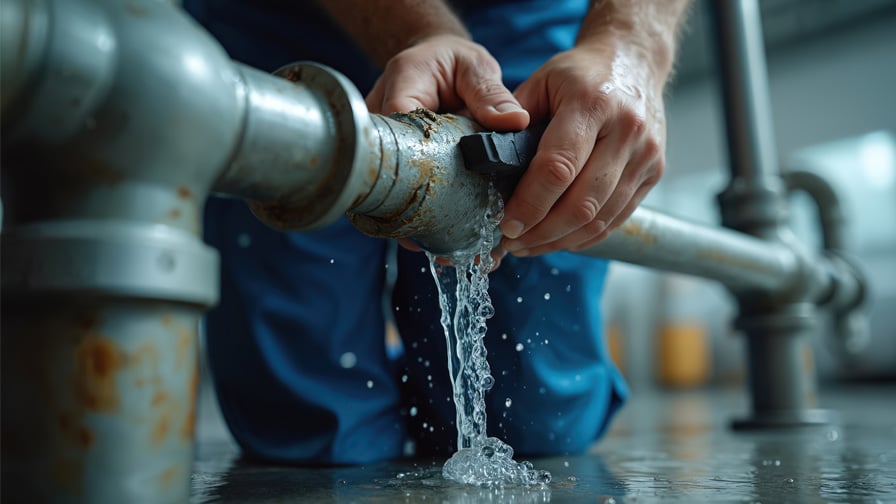
Commercial plumbing services for businesses, managing complex systems, high usage, and operational continuity across facilities
Drain Cleaning
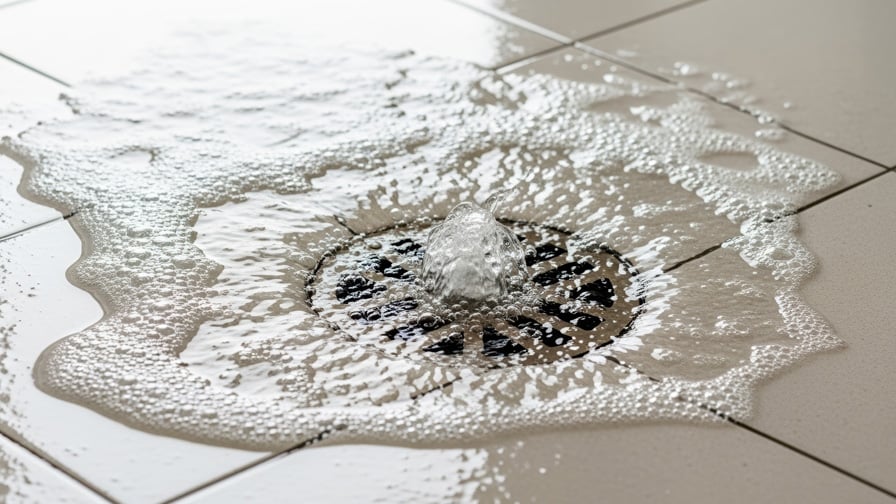
Drain services focus on clearing blockages, cleaning pipes, and restoring proper wastewater flow throughout plumbing systems
Hydro Jet Drain Cleaning
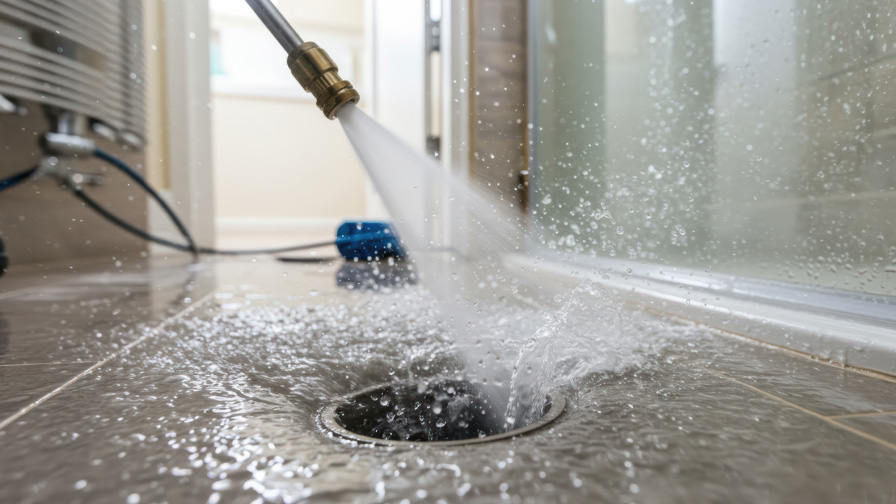
Uses high-pressure water to scour pipe walls. Removes heavy grease, scale, and compacted debris. Ideal for recurring blockage conditions.
Drain Repair
Drain repair services fix damaged or leaking pipes, restore drainage flow, and resolve structural issues within plumbing systems
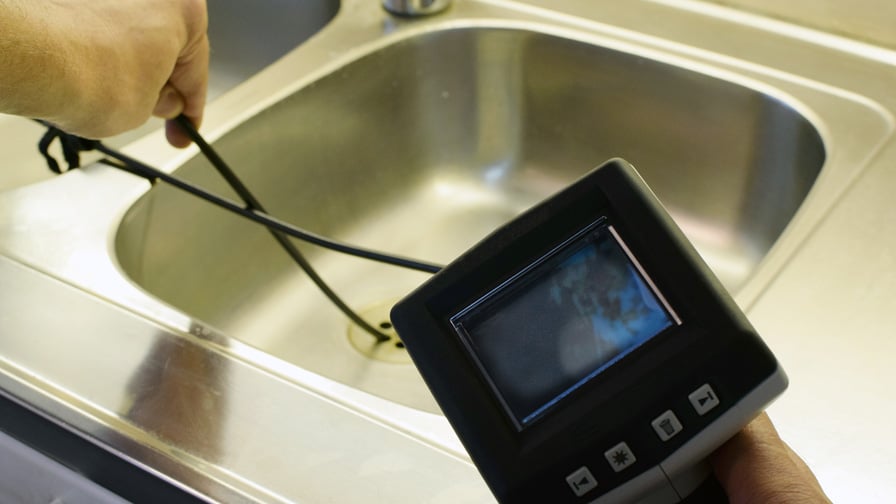
Interior Drain Inspections
Our sewer scope equipment can be used to inspect drains and accessible interior branch lines connected to your plumbing system.
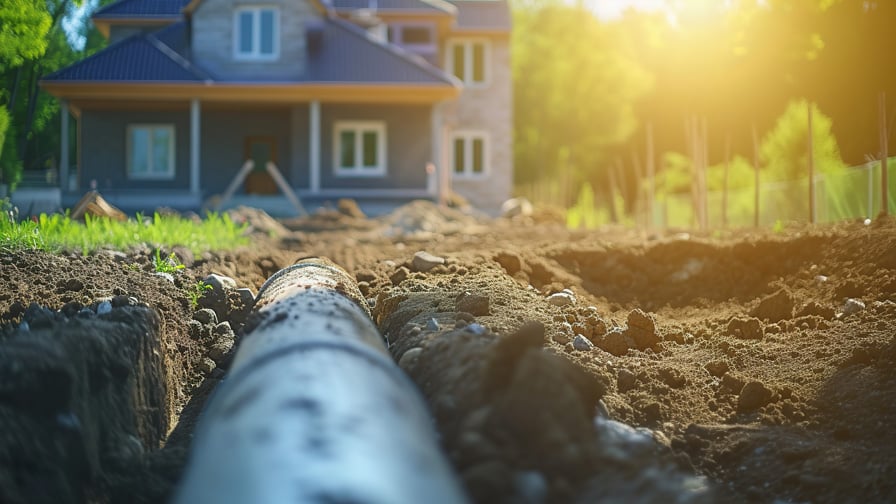
Sewer Repair
Repairs damaged sewer lines through excavation or trenchless methods to restore proper wastewater flow and function
How to Determine if You Need Industrial Plumbing
Industrial plumbing problems do not always begin with a major failure. Early symptoms can be some of the first signs that a system issue is developing, but how to tell if the problem is isolated or affecting a larger part of the facility depends on the pattern of the symptoms. Inspection is required to confirm the exact cause.
Step 1: Check if Multiple Areas Are Affected
Determine whether drainage problems, pressure loss, or leaks are impacting more than one restroom, floor drain, production area, or section of the facility. When multiple areas are affected at the same time, the issue may involve a shared plumbing system rather than a single fixture.
Step 2: Watch for Recurring or Worsening Problems
Notice whether backups, slow drainage, leaks, or pressure drops keep returning after temporary clearing or repairs. Repeated issues often point to a deeper plumbing problem rather than a one-time blockage or isolated component failure.
Step 3: Look for Visible Signs Around the Facility
Check for standing water near drains or equipment, sewer odors, corrosion on exposed piping, or unexplained increases in water usage. These signs may indicate developing pipe deterioration, drainage restrictions, or concealed leaks within the system.
Step 4: Identify the Location and Pattern of the Issue
Determine whether the problem is limited to one interior drain line, affecting several connected areas, or extending across larger sections of the building. This pattern helps distinguish a localized plumbing issue from a broader industrial system problem.
Step 5: Confirm the Cause With the Correct Inspection
Symptoms alone do not confirm the exact source of industrial plumbing failure. Interior drains and branch lines may require inspection for pipes as small as 2 inches, while larger commercial or industrial systems may require CCTV inspection to evaluate the condition of the piping before repair decisions are made.
What Are the Benefits of Industrial Plumbing?
Restores reliable water supply and drainage performance
Helps facilities maintain safe sanitation systems
Reduces the risk of operational disruption caused by plumbing failures
Identifies underlying pipe problems before they worsen
Supports proper wastewater management across the property
Allows evaluation of system integrity when deeper pipe conditions are suspected
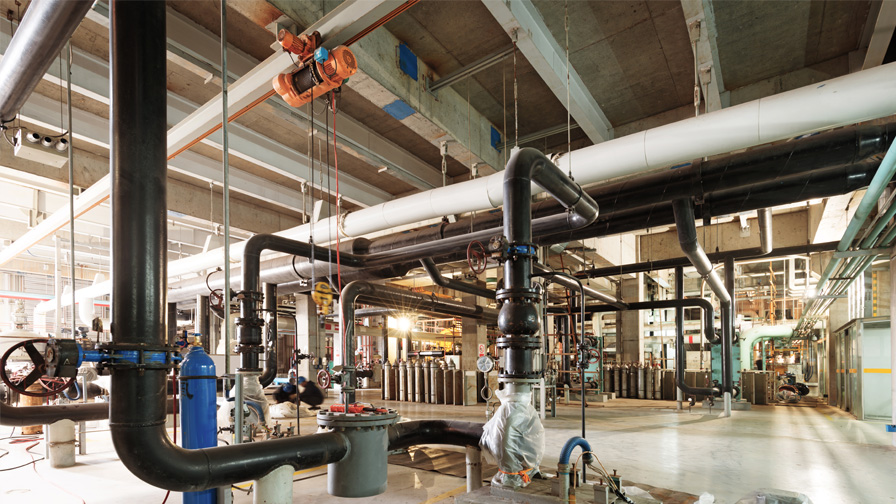
How Arrow Performs Industrial Plumbing
- Assessment
The process begins with reviewing the plumbing issue, affected areas, and the impact the problem is having on the facility. - Diagnostics
The plumbing system is evaluated to identify the source of the problem. This may include testing drainage performance, locating leaks, and assessing whether deeper structural concerns may be present. In some cases, further evaluation may involve a sewer scope inspection for residential properties or a CCTV sewer inspection for commercial properties to assess pipe condition and determine whether trenchless pipe repair or sewer repair is necessary. - Service Execution
Once the cause of the issue is identified, appropriate plumbing service is performed. Depending on pipe condition, repair strategies may include trenchless pipe lining, Trenchless pipe replacement, sewer repair or sewer line replacement, or excavation when direct access to damaged piping is required. - Verification
After service is completed, the plumbing system is tested to confirm that water flow and drainage performance have been restored and that the system is operating correctly. - Cleanup
The work area is cleared so the property can return to normal operation as efficiently as possible.
Why Choose Arrow Sewer & Drain for Industrial Plumbing
- Experience servicing complex plumbing infrastructure
- Knowledge of large-scale drainage and water systems
- Careful diagnostic approach to identifying root causes
- Professional equipment used to evaluate underground piping
- Emergency responses are available when urgent plumbing issues occur
- Clear communication throughout the service process
- Focus on practical, long-term plumbing solutions
Financing For Industrial Plumbing
Learn more about financing options for our industrial plumbing services.
.
Nearby Service Locations To Support You
Are you looking for a Industrial Plumbing in New Jersey? We can provide you service in:
Middlesex County, NJ
We have offices located in Middlesex Borough, NJ and South Plainfield, NJ to support you.
Somerset County, NJ
We have offices located in Basking Ridge, NJ to support you.
FAQs About Industrial Plumbing Issues
What does an industrial plumber do?
An industrial plumber services water supply, drainage, and sanitation systems within large facilities such as warehouses, manufacturing plants, and processing environments. This includes maintaining piping networks, resolving leaks, restoring drainage, and supporting overall system performance.
Does fixing a plumbing issue confirm the system is fully repaired?
Not always. Restoring water flow or clearing a blockage addresses the immediate issue, but it does not confirm the condition of the entire plumbing system. If problems continue, further evaluation may be required to identify underlying causes.
Why do plumbing problems affect multiple areas in a facility?
Industrial plumbing systems are interconnected. When a problem develops within shared piping, it can impact multiple fixtures, floor drains, or sections of the building at the same time, rather than remaining isolated.
What causes recurring plumbing problems in industrial buildings?
Recurring issues are often linked to buildup, pipe wear, corrosion, pressure fluctuations, or hidden leaks within the system. These conditions can develop over time and may require system-level evaluation to fully identify.
How are industrial plumbing systems evaluated?
Evaluation may involve testing water pressure, checking drainage performance, locating leaks, and assessing piping conditions. When deeper issues are suspected, interior piping or larger systems may require specialized inspection methods to confirm pipe condition.
When do plumbing issues involve underground piping systems?
If problems affect multiple areas, persist after repairs, or show signs of structural issues, the condition may extend beyond interior plumbing into building sewer or underground piping. In these cases, additional inspection may be required before determining repair options.
When is excavation or advanced repair needed?
More extensive repair methods may be necessary when pipes are severely deteriorated, misaligned, or inaccessible. The appropriate approach depends on the condition of the system and whether the piping can support repair or requires replacement.
 Call Now: (908) 595-1597
Call Now for Industrial Plumbing in New Jersey
Industrial plumbing systems support critical infrastructure in manufacturing facilities, warehouses, and other large properties throughout New Jersey. When plumbing issues develop, proper diagnosis is essential to determine whether the problem involves interior plumbing components or deeper underground piping. Arrow Sewer & Drain provides industrial plumbing services designed to evaluate system conditions and restore reliable performance. Our team works to identify the source of the issue and determine the appropriate repair approach based on the condition of the system.