If you’ve ever gotten a quote for sewer line replacement, you probably did a double take. Five thousand dollars? Fifteen thousand? Twenty-five? For a pipe most homeowners have never even seen?
The sticker shock is real, and it leads a lot of people to assume their plumber is gouging them. The truth is more complicated. Sewer line replacement sits at the intersection of heavy excavation, specialized labor, municipal regulations, and a whole lot of dirt — and each of those factors adds real cost. Here’s a breakdown of where the money actually goes, and how modern trenchless methods can dramatically reduce the bill.
You’re paying for excavation, not pipe
The pipe itself is one of the cheapest parts of the job. A length of PVC sewer pipe costs a few dollars per foot at any supply house. What you’re really paying for is everything required to reach it.
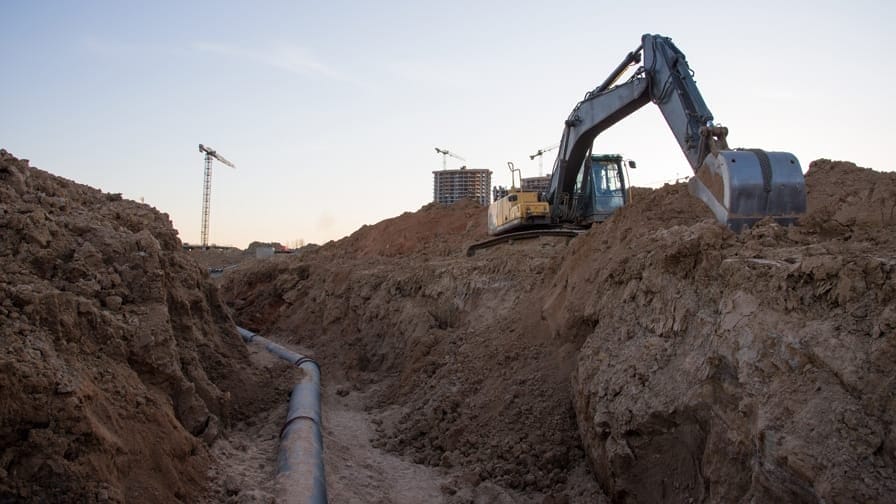
Your sewer line is typically buried three to six feet underground, and in colder climates it can run deeper to stay below the frost line. With traditional excavation methods, that trench has to be dug, shored up so it doesn’t collapse on workers, and eventually backfilled and compacted. If the line runs under your driveway, sidewalk, patio, mature landscaping, or — worst case — a portion of your home’s foundation, those features have to be cut through, removed, or worked around. Then they must be restored afterward.
A simple straight run through an open lawn might cost a fraction of what it costs to replace the same length of pipe running under a stamped concrete driveway with a fifty-year-old oak tree sitting on top of it.
Permits, inspections, and code compliance
Sewer work isn’t something you can just do. Connecting to a municipal sewer system requires permits from your local building department, and the work has to be inspected — sometimes at multiple stages. Permit fees alone can run several hundred to a few thousand dollars depending on your municipality.
Code requirements also dictate things like the type of pipe you can use, the slope it has to maintain, how it connects to the city main, and how the trench gets backfilled. If your old line was installed before current codes existed, the replacement may need to be rerouted or upgraded in ways the original wasn’t, adding both labor and material costs.
In some New Jersey municipalities, the homeowner is responsible for the line all the way to the connection at the street main, which means cutting into and repairing the public road. That brings in additional permits, traffic control requirements, and pavement restoration fees that can easily add thousands to a project.
Specialized equipment and labor
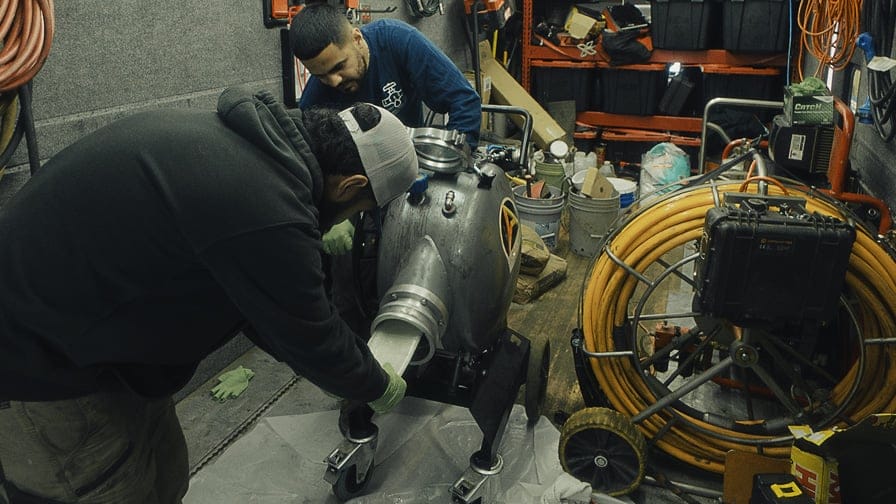
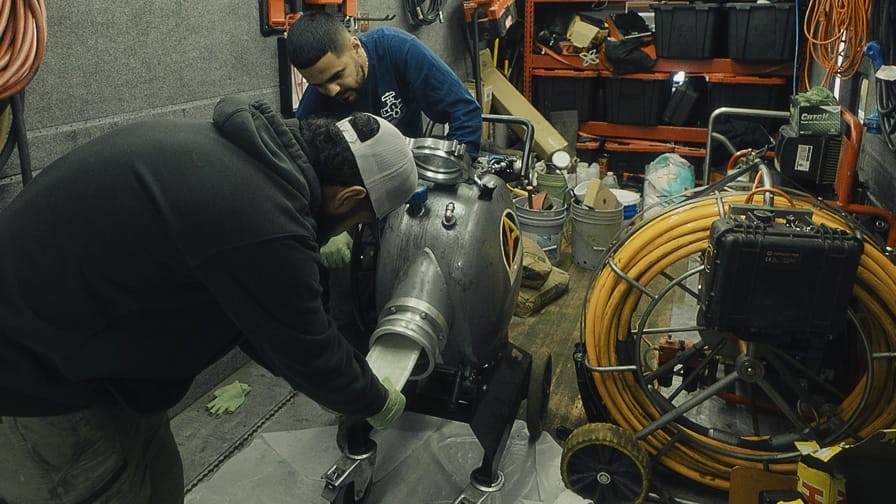
Sewer work requires equipment that most contractors don’t keep in the back of a pickup truck. Excavators, trench shoring boxes, sewer cameras for diagnostics, hydro-jetters, and bursting rigs all represent significant capital investment.
The labor side matters too. Sewer work is dirty, physically demanding, and carries real risks: trench collapses kill workers every year, and exposure to raw sewage requires proper PPE and decontamination protocols. Experienced sewer technicians who can correctly diagnose problems, operate the equipment, and pass inspection on the first try aren’t cheap, and shouldn’t be.
How trenchless pipe replacement cuts costs
Here’s the good news: full open-trench excavation isn’t the only option anymore. Trenchless pipe replacement — also called pipe bursting — can dramatically reduce the total cost of a sewer line replacement, and it’s worth asking about before you sign off on a traditional excavation quote.
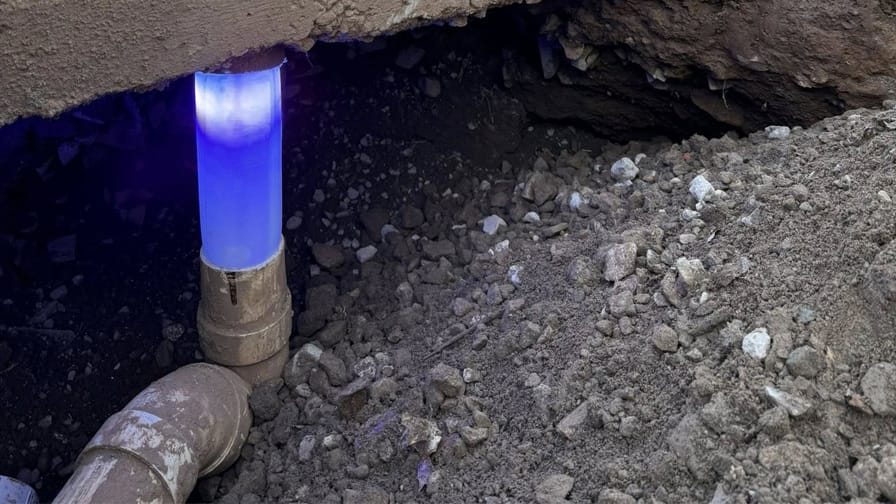
Pipe bursting works by pulling a specialized bursting head through the existing damaged pipe. As it travels, it fractures the old pipe outward into the surrounding soil while simultaneously pulling a new, structurally superior pipe into place. The result is a brand new sewer line installed along the same path as the old one — without digging up your entire yard to get there.
The cost savings come from what you don’t have to do:
- No long trench excavation. Only small access pits at each end of the run.
- No driveway demolition. Concrete, pavers, and asphalt stay intact.
- No torn-up landscaping. Mature trees, shrubs, garden beds, and lawns are preserved.
- Minimal restoration costs. Restoration is often the single biggest line item in a traditional sewer replacement quote.
- Faster project completion. Most pipe bursting projects wrap up in one to two days versus a week or more for open-cut work.
Pipe bursting is particularly well suited to fully collapsed sewer lines, severe root intrusion, major joint separation, and aging clay, Orangeburg, or corroded metal piping — exactly the kinds of failures that traditionally required the most disruptive excavation jobs.
There are situations where trenchless isn’t a fit. Lines with extreme bends, certain partial collapses, or layouts that don’t allow for proper access pit placement may still require traditional excavation. That’s why a proper diagnosis matters before any quote is finalized.
Diagnostics and the unknown
Before any reputable contractor quotes a full replacement, they should run a camera down the line to see what’s going on. Sometimes the diagnosis reveals that you don’t need a full replacement at all — just a spot repair or a cleaning. Other times the camera reveals that what looked like a simple job is much worse: roots throughout, multiple collapses, or a line that’s belly-sagged across its entire run.
A camera inspection also tells you whether trenchless is on the table. That single piece of information can be the difference between a $20,000 driveway-demolition project and a $10,000 trenchless replacement that leaves your property essentially untouched.
The unknown is also why quotes can vary so widely. A contractor pricing a job has to account for what they might find when they open up the trench — bedrock where they expected dirt, an unmarked utility line crossing the path, a section of pipe that turns out to be cast iron instead of clay. Any of these can turn a one-day job into a three-day job.
What drives your specific quote
If you’re trying to make sense of a sewer line quote, the biggest variables are usually:
The length of the run, the depth of the line, what’s on top of it (lawn versus driveway versus structure), the pipe material being replaced and the new material going in, whether the work extends into the public right-of-way, your local permit and inspection costs, and — most importantly for your wallet — whether the job is being done with traditional excavation or pipe bursting.
A short, shallow line through an open backyard might come in around three to five thousand dollars. A long line running under a driveway and into the street can easily exceed twenty-five thousand with traditional excavation. The same job done trenchless can come in significantly lower once you factor in the avoided restoration costs.
The bottom line
Sewer line replacement is expensive because you’re not really buying a pipe — you’re buying excavation, restoration, permits, specialized equipment, skilled labor, and the contractor’s willingness to absorb the risk of whatever they find underground. When you understand what’s involved, the prices stop looking like highway robbery and start looking like what they are: the real cost of moving a lot of dirt to fix something most people never think about until it backs up into the basement.
The single best thing you can do to control that cost is to ask whether your job is a candidate for trenchless pipe replacement. For many homeowners, it’s the difference between a manageable sewer repair and a project that takes over their property for a week. Get a sewer inspection, get multiple quotes, and make sure whoever does the work is licensed, insured, and pulling proper permits. Cheap sewer work that fails inspection — or fails in five years — is the most expensive kind of all. Contact Arrow Sewer and Drain today for a sewer pipe replacement estimate.