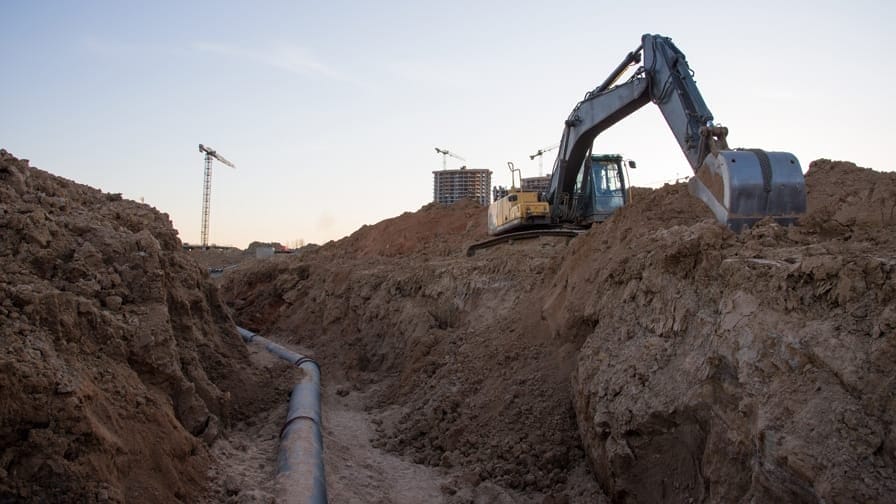
When a sewer line fails, the old answer was simple and brutal: dig it up. Tear out the lawn, break through the driveway, excavate down to the pipe, replace it, and spend weeks putting everything back together. It worked, but it was disruptive, expensive, and rough on the environment.
There’s a better way now. Cured-in-place pipe lining — usually called CIPP — repairs damaged sewer and drain lines from the inside, without trenches, without tearing up your property, and with a much smaller environmental footprint. Whether you’re a homeowner with a cracked sewer lateral or a property manager dealing with aging building infrastructure, CIPP is worth understanding before you sign off on traditional excavation.
What CIPP Pipe Lining Actually Is
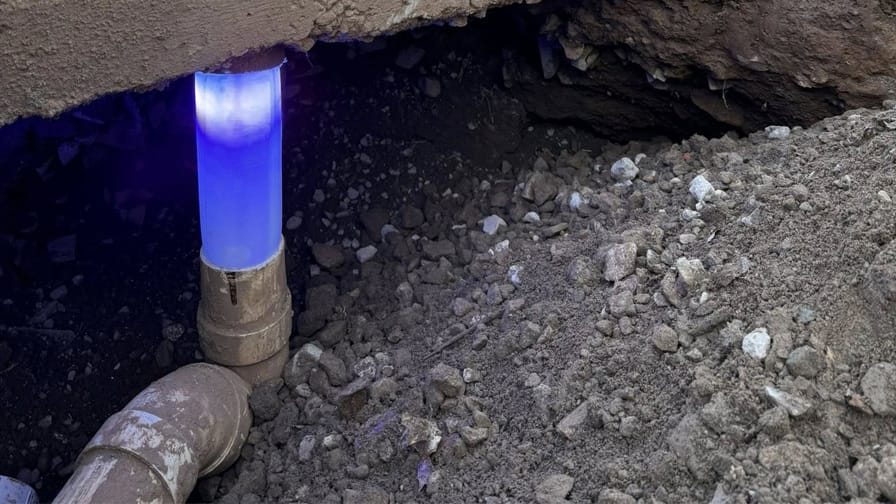
CIPP is a trenchless repair method. Instead of digging up and replacing your existing pipe, a flexible liner saturated with epoxy resin is inserted into the damaged line through an existing access point. The liner is then inflated so it presses tightly against the inner walls of the old pipe, and the resin is cured — usually with hot water, steam, or UV light — until it hardens into a smooth, seamless new pipe within the old one.
The result is essentially a pipe inside a pipe. The new liner bonds to the host pipe, seals cracks and joints, blocks root intrusion, and restores full flow capacity. Most CIPP liners are rated to last 50 years or more.
The whole process typically takes a single day for residential jobs and only slightly longer for commercial buildings. There’s no lawn dug up, no driveway demolished, no landscaping ruined.
Why It’s a Sustainable Choice
The environmental case for CIPP is straightforward, and it’s becoming a real factor in how cities, contractors, and property owners think about underground infrastructure.
Far less excavation waste. A traditional dig-and-replace job generates tons of soil, concrete, asphalt, and damaged landscaping that has to be hauled away and disposed of. CIPP eliminates almost all of that. The only waste is a small amount of resin and water from the curing process.
Lower carbon emissions. Excavators, dump trucks, asphalt rollers, and concrete mixers all burn fuel — a lot of it. A typical sewer replacement project can involve dozens of truck trips and days of heavy machinery operation. A CIPP job uses a single service vehicle and a fraction of the equipment runtime.
Lower carbon emissions. Excavators, dump trucks, asphalt rollers, and concrete mixers all burn fuel — a lot of it. A typical sewer replacement project can involve dozens of truck trips and days of heavy machinery operation. A CIPP job uses a single service vehicle and a fraction of the equipment runtime.
Less material consumed. Manufacturing new PVC or clay pipe takes energy and raw materials. Reusing the structural shell of your existing pipe means less new material has to be produced, shipped, and installed.
Reduced water contamination risk. Traditional excavation can disturb soil and expose groundwater to contaminants. Trenchless work keeps the ground sealed.
For commercial properties pursuing LEED certification or sustainability reporting goals, the math on CIPP almost always comes out ahead of full replacement.
The Practical Benefits Beyond Sustainability
Sustainability matters, but most property owners choose CIPP for more immediate reasons too.
Cost. While the per-foot price of CIPP can look comparable to traditional pipe replacement on paper, the real savings show up in everything you don’t have to repair afterward. No re-paving the driveway. No re-sodding the lawn. No restoring landscaping, fences, retaining walls, or sidewalks. For commercial buildings, no extended business interruption.
Speed. Most residential CIPP repairs are completed in a single day. Compare that to a week or more of excavation, replacement, backfilling, and surface restoration.
Minimal disruption. For a homeowner, that means you’re not living with a torn-up yard for weeks. For a property manager, it means tenants stay in their units, businesses keep operating, and parking lots stay open.
Better long-term performance. A cured liner has no joints — and joints are where most pipe failures start. The smooth interior surface also resists buildup and root intrusion better than the original pipe ever did.
Works in tight spots. CIPP can repair pipes under buildings, driveways, decks, mature trees, and other areas where excavation would be impossibly destructive or expensive.
When CIPP Makes Sense — and When It Doesn’t
CIPP isn’t the right answer for every situation. It works exceptionally well for:
- Pipes with cracks, fractures, or longitudinal damage
- Lines compromised by root intrusion
- Joint separations and leaks
- Corroded cast iron or deteriorated clay pipes
- Pipes that are still structurally intact but have surface damage
It’s not the right fit when:
- The pipe has fully collapsed or has lost its shape
- There are major offsets or back-pitched sections that need re-grading
- The diameter is too small or too large for available liner sizes (rare, but possible)
A reputable trenchless contractor will run a sewer camera inspection first to confirm CIPP is appropriate. If your pipe is too far gone, they’ll tell you — and recommend the right alternative.
What to Expect During the Process
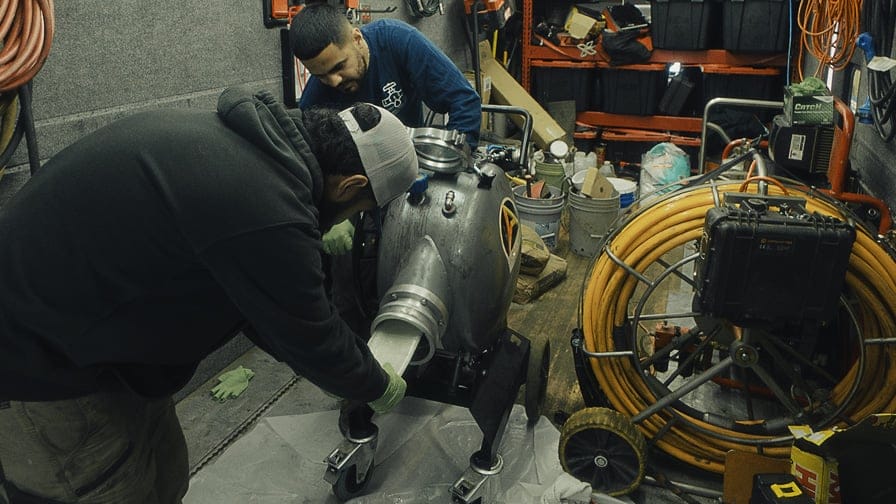
A typical CIPP job follows a predictable sequence. First, the line is cleaned thoroughly with a hydro-jetter to remove debris, roots, grease, and scale. Then a camera inspection confirms the pipe is ready for lining. The resin-saturated liner is prepared, inserted through an existing cleanout or access point, and inflated. The curing process — usually a few hours with hot water or steam — hardens the liner into place. A final camera inspection verifies the work, and any service connections are reopened with a robotic cutter.
Most homeowners are surprised by how quiet and unobtrusive the work is. There’s no jackhammering, no trenches, no fleet of trucks. Just a single crew, a service vehicle, and a finished repair by the end of the day.
Is CIPP Right for Your Property?
If you’re dealing with a sewer line that’s leaking, root-bound, or starting to fail, trenchless lining is almost certainly worth a conversation before you commit to digging. The combination of lower environmental impact, lower total cost, faster turnaround, and 50-year lifespan makes it the smart default for most modern repairs.
Arrow Sewer and Drain has helped homeowners and commercial property managers across the state restore aging sewer infrastructure without the destruction of traditional excavation. To learn more about New Jersey CIPP Pipe Lining and contact us today. The sooner a damaged line is addressed, the more options you have — and the more you save.