Updated On 07/28/2026
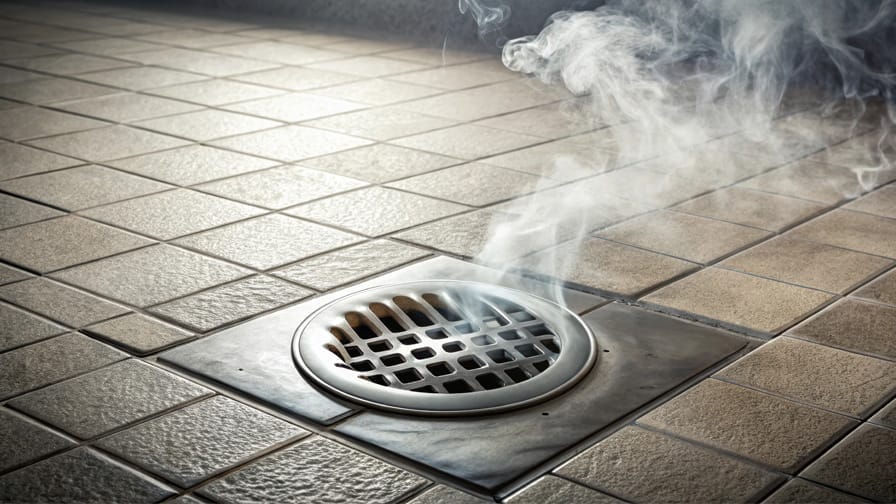
That sewer smell isn’t coming from where you think — and that’s why cleaning the drain rarely fixes it. Below is everything this guide covers: the five zones where sewer gas escapes into your home, the quick DIY checks that solve the easy cases, a symptom guide that matches what you’re smelling to where it’s coming from, and the signs the problem is deeper in the system. Jump to the zone that fits your symptoms, or read straight through and diagnose it like a pro before you call one.
A sewer smell coming from a drain isn’t really a drain problem — it’s a system problem. The smell is just the symptom. The cause could be sitting six inches under your fixture, or it could be sixty feet down your sewer lateral. Knowing which zone, the smell is coming from is what determines whether you need quick drain cleaning, a full sewer scope, or a more involved repair.
This guide walks through the five zones in your home’s plumbing system where sewer smells originate, what causes them in each zone, and how a professional plumber confirms the source before recommending a fix.
Why “Just Cleaning the Drain” Often Doesn’t Solve It
Pouring something down the drain and hoping the smell goes away is the most common first move — and the most common reason homeowners call us a few weeks later with the same problem. Sewer smell is sewer gas (hydrogen sulfide, methane, and other byproducts of organic decomposition), and it’s escaping into your home from somewhere along the wastewater path. Until you identify where the gas is escaping, surface treatments only mask it.
The five zones to consider, working outward from your fixture toward the street:
- At the fixture or interior drain
- In the pipe stack (the vertical soil and vent line)
- At the building drain transition (basement level)
- In the sewer lateral (the underground line on your property)
- At the sewer service connection (where your line meets the municipal main)
Zone 1: At the Fixture or Interior Drain
This is the easiest zone to diagnose and the only one where limited DIY checks make sense before calling a plumber.
Common causes:
- Dry P-trap — every drain has a U-shaped trap that holds a small amount of water, blocking sewer gas from coming up through the fixture. In drains that don’t get used (guest bath showers, basement floor drains, laundry tub drains in vacant rooms), the water in the trap evaporates and gas comes straight up.
- Biofilm buildup — a slimy bacterial film coating the inside of the drain stub, especially in showers and bathroom sinks. It produces a musty, slightly sewer-like odor that’s strongest right at the drain opening.
- Hair, soap, and organic clogs in the trap arm — partial clogs hold rotting material that smells. Common in showers and kitchen sinks.
- Disconnected or damaged trap — a P-trap that has worked loose, cracked, or wasn’t properly installed will let gas through continuously.
The DIY check that’s worth doing: Run water in any drain that hasn’t been used recently for 30 seconds. If the smell goes away within a day, the trap was dry — problem solved. If the smell persists in a drain you use regularly, the issue is past the trap and you need professional diagnosis.
How a plumber confirms and fixes it: A drain and branch line inspection scopes the small-diameter interior piping to see whether the issue is buildup, biofilm, or a deeper clog. From there, the fix is usually hydrojet drain cleaning or mechanical snaking, depending on what’s coating the line. If you’re worried about pipe damage from high-pressure water, here’s when hydro jetting is and isn’t safe.
If the smell is coming from a single fixture and only that fixture, Zone 1 is almost always the answer.
Zone 2: In the Pipe Stack
The pipe stack is the vertical pipe running from your basement up through your roof. It does two jobs: it carries wastewater down from upstairs fixtures, and the section above the highest fixture acts as a vent that lets sewer gas escape harmlessly above the roofline while equalizing pressure inside the system.
In most homes, you won’t see the stack — it runs hidden inside wall cavities. The only places it’s typically exposed are in the basement (where it ties into the building drain), in the attic (just before it exits through the roof), and occasionally inside a utility closet on its way up. The vent opening itself sits on the roof, which is why vent-related smell problems are easy to miss — the failure point is somewhere most homeowners never look.
When a stack is working correctly, you don’t notice it. When it isn’t, smell shows up in places that don’t make obvious sense — a shower drain on the second-floor smelling because a vent froze over on the roof in January, for example.
Common causes:
- Blocked roof vent — leaves, animal nests, ice dams in winter, or debris from nearby trees can plug the vent opening at the roof. With the vent blocked, the system can’t equalize pressure, and water draining from one fixture siphons water out of another fixture’s trap. Once that trap is dry, gas comes up through it.
- Cracked or corroded stack — older NJ homes with original cast iron stacks can develop cracks, pinhole leaks, or full breaks behind walls. Because the stack is hidden in wall cavities, smell often escapes into the wall and slowly migrates into living space, appearing far from the actual damage.
- Partial blockage in the stack itself — buildup or debris partway down the stack can trap gas pressure, push it back through fixtures, and cause smells across multiple drains during heavy use.
- Improperly installed AAVs (air admittance valves) some bathroom and kitchen renovations install AAVs instead of running a proper vent. When they fail, they let gas through directly, often inside a vanity or under a sink.
Why this zone matters: Smell in Zone 2 is the most misdiagnosed of the five because it doesn’t follow the rules a homeowner would expect. The smell shows up at a fixture that isn’t the source. Multiple fixtures may smell intermittently. Smell often gets worse during heavy plumbing use (multiple showers running, dishwasher and laundry at the same time) or after windy weather that affects roof vent draft. And because most of the stack is hidden, identifying the actual failure point almost always requires a plumber with a roof-accessible inspection setup or a smoke test.
How a plumber confirms and fixes it: Diagnosis usually starts at the roof — visual inspection of the vent opening to check for blockages, animal nests, or ice damage. From there, a smoke test of the stack is the standard method for finding hidden cracks behind walls without having to open them up. A camera inspection of the stack is sometimes used for vertical buildup, accessed through the basement sewer cleanout where the stack meets the building drain. Fixes range from clearing the roof vent to opening a wall to repair a corroded section.
Zone 3: At the Building Drain Transition
This zone is where the pipe stack and multiple branch lines converge into a single horizontal line that exits your foundation. In NJ homes, this is typically a basement-level area where you’ll see floor drains, laundry connections, and the main cleanout.
Common causes:
- Floor drain traps that’s dried out — basement floor drains rarely get used. The trap evaporates, and gas from the building drain rises into the basement.
- Failed or missing cleanout cap — a loose cleanout cap is a direct opening into the wastewater system. Smells the same as a sewer gas leak because that’s exactly what it is.
- Cracked building drain — older NJ housing stock often has cast iron building drains that have corroded through. Wastewater leaks into surrounding soil or the slab, and the smell rises through any gap.
Why this zone matters: A smell that’s strongest in the basement, around floor drains, or near the main cleanout — but not at any specific upstairs fixture — almost always points to Zone 3.
How a plumber confirms and fixes it: Visual inspection of cleanouts and floor drains first, then a sewer inspection if a cracked building drain is suspected. The camera shows whether the line is intact, where any breaks are located, and whether the issue is in the building drain or has progressed into the sewer lateral.
Zone 4: In the Sewer Lateral
The sewer lateral is the underground pipe running from your foundation to the property line. In most NJ homes, especially older ones, this is where the most expensive problems hide. Smell from this zone often signals damage that’s been progressing for a while.
Common causes:
- Partial blockage or buildup — heavy grease, scale, and compacted debris in the lateral slow flow and trap organic material that decomposes and pushes gas back up the line.
- Root intrusion — tree and shrub roots find their way into joints and cracks, then expand and capture wastewater. This is one of the most common causes of recurring smells and backups in NJ. Here’s a breakdown of how root intrusion develops in NJ sewer lines and what it does to the pipe.
- Offset, cracked, or collapsed pipe sections — clay tile, Orangeburg pipe, and aging cast iron laterals shift, crack, and eventually collapse. Wastewater pools and stagnates at the damage point, and gas works its way back upstream.
- Bellied (sagging) lateral — soil settlement creates a low spot where wastewater pools instead of flowing through. The pooled water rots and produces smell.
Why this zone matters: A smell coming from multiple drains throughout the house, often paired with slow drainage in lower-level fixtures or gurgling sounds, points to the lateral. This is also the zone where smell can be an early warning of an imminent sewer backup — when the line is partially blocked, smell is what you notice first; backup is what you notice next.
How a plumber confirms and fixes it: Sewer scope camera inspection of the full lateral is the only way to definitively identify what’s wrong. Once the cause is confirmed, the fix is one of:
- Hydro jetting the sewer line to clear buildup, scale, and minor root intrusion
- Trenchless lining or pipe bursting for cracked, offset, or collapsed sections
- Full excavation repair for severe damage
If recurring backups are part of the picture, installing a backwater valve is worth discussing as part of the long-term fix.
Zone 5: At the Sewer Service Connection
This is the connection point where your lateral meets the municipal sewer main, typically near the street or curb. Problems here are less common than Zones 1–4 but real, especially in older NJ neighborhoods.
Common causes:
- Damaged or offset connection at the main — older taps into city sewer mains were sometimes done with materials that have since degraded.
- Municipal main issues backing up into your lateral — if the city main is partially blocked or surcharged during heavy rain, gas can travel back up your lateral and out through any compromised point.
- Roots concentrated at the connection — joints at the main connection are common entry points for roots.
How a plumber confirms and fixes it: A full sewer scope to the main, sometimes coordinated with the municipality if the issue extends beyond your property line. Sewer inspection cameras can show exactly what’s happening at the connection point, including whether the issue is on your side of the property line or the city’s responsibility.
Room by Room: Where the Sewer Smell Shows Up
The five zones explain where sewer smells come from. But nobody experiences a zone — you experience a smelly bathroom, a foul shower drain, or a whole house that reeks on random mornings. This section works from the room backward: find where your smell shows up, and it will shortlist the zones worth investigating.
Why Does My Bathroom Smell Like Sewage?
When a bathroom smells like sewage, it almost always has a failed barrier between the room and the drain system — the question is which one. In rough order of likelihood:
- A dried-out trap. Every fixture’s P-trap holds water that blocks sewer gas. In a guest bathroom, a rarely used tub, or a floor drain, that water evaporates within weeks — and the open pipe vents sewer gas into the room. This is the most common cause in bathrooms that aren’t used daily.
- A failed toilet wax ring. The wax seal between the toilet base and the floor flange can dry, crack, or shift — especially if the toilet rocks even slightly. Sewer gas escapes at floor level, which is why this smell often reads as “coming from everywhere” in a small bathroom. A toilet that smells after flushing, with no visible blockage, points here.
- Biofilm in the drains. The gray-black coating of bacteria and soap residue inside drain openings produces a musty-sulfur odor that’s easy to mistake for sewer gas. It’s a Zone 1 problem — unpleasant but local.
- A venting problem. If the smell appears when water runs or a fixture gurgles as another drains, air is moving through the water seals — a Zone 2 sign that no amount of cleaning will fix.
One diagnostic detail worth knowing: bathroom exhaust fans can make a marginal seal fail. A fan pulls air out of a small closed room, and replacement air comes through the easiest opening — sometimes straight through a weak trap seal. A bathroom that smells worse with the fan running is telling you a seal is already compromised.
If the smell is confined to one bathroom, start your diagnosis at Zone 1; if fixtures interact or the smell follows water use, move to Zone 2.
Shower Drain Smells: Biofilm or Sewer Gas?
A smelly shower drain is one of two very different problems, and your nose can usually tell them apart. A musty, sour, “wet dog” odor that’s strongest right at the drain — and worse when hot water runs — is biofilm: the buildup of hair, soap scum, and bacteria coating the drain and trap. A rotten-egg or outhouse odor that drifts from the drain even when the shower is dry is sewer gas getting past the trap.
The distinction matters because the fixes live in different zones. Biofilm is a Zone 1 condition confined to the fixture itself. Sewer gas at a shower drain means the trap has lost its seal — evaporation in a guest shower, or siphonage caused by a venting problem that empties the trap every time a nearby fixture drains. A shower trap that keeps losing its seal in a bathroom you use daily is a Zone 2 flag, and it’s one of the clearest early symptoms of a vent blockage.
A simple observation narrows it fast: if the smell returns within a day or two of the shower being used, think biofilm. If the smell shows up in a shower that hasn’t been used in weeks, think dried trap.
Bathroom Sink Smells Like Sewer? Check the Hidden Spot First
Bathroom sinks have a hiding place the other fixtures don’t: the overflow — the small opening near the rim that prevents the basin from spilling. The channel behind it stays damp, never gets cleaned, and grows the same biofilm as a drain. A sink that smells worst when water is running — which pushes air out through the overflow — is the classic signature, and it fools people into blaming the drain itself.
Beyond the overflow, sink smells follow the same short list as the rest of the bathroom: biofilm in the drain and on the pop-up stopper, a trap that’s dried out in an unused bathroom, or a venting problem if the sink gurgles after the toilet flushes. Constant sewer-gas odor from a sink that’s used daily — a trap that shouldn’t be dry, smelling anyway — deserves attention, because it can mean the trap is leaking or being siphoned from downstream.
Laundry Room Smells Like Sewage? Look Down First
The laundry room has the highest concentration of forgotten drains in the house, and that’s almost always the story:
- The floor drain. Most basement laundry areas have one, most homeowners never think about it, and its trap dries out from pure disuse. An open, dry floor drain is a direct vent from the sewer into the room — the single most common cause of laundry-area sewer smell.
- The washer standpipe. The washing machine drains into a standpipe with its own trap. If the standpipe was plumbed without proper venting — common in DIY-finished basements — the violent discharge of a washer can siphon the trap dry, leaving an open path for sewer gas between loads.
- The machine itself. Front-loading washers grow a musty odor in the door gasket and drum. It’s not a plumbing smell, but it sends people hunting for one.
- The location. In many older New Jersey basements, the laundry area sits near the front foundation wall — the same place the main line, floor drains, and (in pre-1970s homes) the house trap all live. A sewage smell here that isn’t the floor drain deserves a look at Zone 3.
Sewage Smell in the House That Comes and Goes
An intermittent, whole-house sewer smell is the most maddening version of this problem — it’s gone by the time anyone comes to look. It’s also the most diagnosable, because a smell that comes and goes is being switched on and off by something, and the trigger identifies the cause:
- Windy days or weather changes. Downdrafts and pressure swings can push sewer gas back through marginal seals or pull it from the roof vent down toward open windows. A smell that tracks the weather usually means the plumbing has a weak seal somewhere that pressure changes exploit.
- Whole-house fans, range hoods, or a tight house in winter. Anything that depressurizes the home draws replacement air through the path of least resistance — including any drain with a weak or dry trap. Smell that appears when exhaust fans run is a seal problem being revealed, not created.
- Dry traps in rooms nobody uses. A basement floor drain or guest fixture with an evaporated trap seal vents gas that drifts through the house and fades as air circulates — classic “comes and goes.”
- A failing house trap in an older home. Many pre-1972 New Jersey homes have a house trap on the main line whose water seal and aging caps are the whole house’s barrier against sewer-main gas. When the seal fails or a cap corrodes through, the result is exactly this intermittent, hard-to-place odor near the basement’s front wall.
- A partial blockage “burping.” A main line that’s partially obstructed can push gas back through the system when large volumes drain — laundry, dishwasher, showers. A smell that follows heavy water use is a Zone 3 or Zone 4 warning sign, and the one version of this symptom that shouldn’t wait, because the next stage is a backup.
Two other spots worth a glance in older homes: an exterior sewer cleanout with a cracked or missing cap lets odor collect near foundation vents and windows — our sewer cleanout guide shows what an intact one looks like — and the fresh air inlet that accompanies a house trap will vent odor when the trap is compromised.
If the pattern points to weather or fans, the problem is seals; if it points to water use, the problem is the line — jump to Zone 3 and Zone 4.
Smell Patterns That Help Pinpoint the Zone
Use this as a starting point — actual diagnosis still requires inspection:
- Smell at one specific fixture only → Zone 1 (P-trap or branch line)
- Smell at multiple fixtures, especially during heavy plumbing use or after windy weather → Zone 2 (stack or vent issue)
- Smell in the basement, around floor drains or cleanouts → Zone 3
- Smell at multiple fixtures throughout the house, plus slow drains → Zone 4
- Smell that comes and goes with heavy rain → possibly Zone 4 or 5
- Smell in the yard, near where the lateral runs → Zone 4 (cracked lateral leaking into soil)
- Smell after recent backup or near the cleanout outside → Zone 4 or 5
Prevention: What You Put Down the Drain Matters
A meaningful share of Zone 1 and Zone 4 smell issues trace back to what’s been going down the drains over time. Grease congeals, wipes catch on every imperfection in the line, and certain household items break down into exactly the kind of organic sludge that produces sewer gas. Knowing what shouldn’t go down your drains is the cheapest sewer maintenance you’ll ever do.
When to Stop Troubleshooting and Call
Sewer smell is one of the few plumbing symptoms that warrants professional diagnosis early rather than DIY persistence. The reason: smells from Zones 2, 3, 4, and 5 are often early warnings of damage that gets significantly more expensive the longer it’s left. A smell that turns into a backup turns into a repair that could have been a cleaning.
Call Arrow Sewer & Drain if:
- You’ve run water in unused drains and the smell persists
- Multiple drains in the house smell, not just one
- The smell is strongest in the basement
- You’re noticing slow drainage along with the smell
- The smell appears or worsens after heavy rain or windy weather
- You’ve had previous sewer line work and the smell has returned
Our process starts with diagnosis — interior drain inspection for Zone 1 and stack issues, full sewer scope for Zones 4 and 5 — and only recommends drain cleaning, hydro jetting, or repair once we’ve confirmed what’s causing the smell
FAQ About Sewer Smells in Drains
Why does my drain smell only sometimes?
Intermittent smell usually points to either a partially clogged P-trap that fills and dries with usage patterns, a vent issue in the pipe stack that lets gas through under specific pressure or weather conditions, or a problem in the sewer lateral that worsens with heavy rain.
Can a sewer smell make me sick?
Sewer gas at low concentrations is mostly an unpleasant odor. At higher concentrations — typically only inside enclosed spaces with significant active leaks — hydrogen sulfide and methane can cause headaches, nausea, and dizziness. Persistent strong sewer smell inside a home should not be ignored.
What’s the difference between a drain smell and a sewer smell?
A drain smell is usually localized to one fixture and tied to biofilm, food debris, or a small clog — it’s organic decomposition right at the fixture. A sewer smell is the gas from your wastewater system, which means it’s coming from somewhere downstream of the trap, the stack, the lateral, or the connection.
Will pouring bleach or baking soda down the drain fix the smell?
Sometimes, temporarily, for Zone 1 biofilm issues. It will not fix any issue downstream of the fixture trap, and it can damage older cast iron or Orangeburg pipe with repeated use. If the smell returns within days, the cause isn’t at the fixture.
How do plumbers find the source of a sewer smell?
The standard process is to start at the closest zone and work outward. Visual inspection of fixtures and traps, then a drain or branch line camera for interior piping, then a stack or roof vent inspection if the smell pattern suggests it, and finally a full sewer scope for the lateral and service connection if needed. The goal is to identify the zone before recommending any fix.
Is a sewer smell a sign of a future backup?
It can be. Smell from Zones 4 and 5 — the lateral and service connection — often appears before flow problems become severe. If you’re getting smell along with slow drainage or gurgling, that’s a stronger early warning of a potential backup than smell alone.
Does drain cleaning fix sewer smell?
It depends on the zone. Drain cleaning fixes Zone 1 issues (interior buildup and clogs) and helps with Zone 4 issues caused by buildup or minor root intrusion. It will not fix dry traps, vent issues in the pipe stack, cracked pipes, or damaged connections — those require different repairs. Diagnosis comes first.
Why does my toilet smell like sewage when there’s no blockage?
A clear-flushing toilet that smells points at its seals, not its drain — most often the wax ring between the toilet and the floor flange, occasionally a hairline crack in the bowl’s trap, or a toilet that rocks enough to break the ring’s seal. The smell shows up at floor level around the base rather than from the water.
Why does my bathroom smell worse when the exhaust fan is on?
The fan depressurizes the room, and replacement air gets pulled through the easiest opening available — sometimes straight through a drain whose trap seal is weak or dry. The fan isn’t causing the smell; it’s revealing which seal is failing.
How do I get my bathroom to stop smelling like sewer?
By finding which barrier failed rather than masking the odor. The pattern tells you where to look: a rarely used fixture points to a dried trap, smell after flushing points to the wax ring, smell only when water runs points to biofilm or the sink overflow, and gurgling points to venting. If the smell survives cleaning and returns in a bathroom you use daily, the cause is behind the walls or below the floor — that’s when an inspection earns its keep.