Sewer Inspection in New Jersey
A sewer inspection puts a waterproof camera inside your sewer line so a licensed plumber can see its exact condition before anyone digs. Arrow Sewer & Drain inspects lines for homeowners and property managers across Middlesex, Somerset, Union, Monmouth, and Hunterdon counties — so the repair that follows is based on evidence, not assumption.
24/7 Emergency Sewer Inspection
A sewer inspection becomes urgent when wastewater backs up, multiple drains clog at once, or sewage odors develop inside a property. These symptoms often indicate a main sewer line obstruction or structural failure.
In emergency situations, our technicians may perform an immediate sewer inspection to determine whether the issue involves heavy buildup, root intrusion, joint separation, or pipe collapse. Delaying diagnostics can increase property damage, health risks, and downtime.
Review Our Sewer Camera Inspection Special
Need An Emergency Sewer Inspection ?
If your sewer system is actively failing, call us today for immediate assistance. Emergency dispatch is available.
NJ Master Plumber License # 36BI01352100
Call (908) 472-3801What Is a Sewer Scope Inspection?
A sewer scope inspection is a camera survey of the main sewer line — the pipe that carries waste from your home out to the municipal sewer or septic connection. A technician feeds a flexible, self-leveling camera into the line through an existing cleanout or access point and runs it the full length of the pipe, watching a live feed the entire way.
The value of a sewer scope is defined by the coverage area it reaches, not by the pipe diameter it fits. Our camera follows the main lateral from the access point to the connection at the street, which is the run where the failures that matter most tend to hide: root intrusion at the joints, bellies where the pipe has settled, offsets where a section has shifted, and the soft, deforming walls of older Orangeburg or corroded cast iron pipe. A sewer scope shows all of it in real time.
Homeowners ask for a sewer scope for a few common reasons: recurring backups that a snake keeps clearing but never fixes, slow drains across the whole house, a home purchase or sale where the buyer wants the line verified, or simply an older house where no one has ever looked inside the pipe. In each case the inspection answers the same question — what is the actual condition of the line — before a dollar is spent on digging.
CCTV Sewer Inspection
CCTV sewer inspection uses a robotic crawler — a self-propelled camera unit that travels through the pipe under its own power — to provide video coverage of large-diameter sewer lines. Unlike the flexible push camera used for residential scope inspections, the crawler is built for pipes 18 inches in diameter or larger, where the scale of the line calls for a mobile camera platform rather than a pushed cable.
This makes CCTV inspection the right tool for commercial, industrial, and municipal sewer mains, where operators need documented video of the pipe’s interior condition across long runs of large-diameter line. The crawler records the full length of the run, capturing joints, structural condition, and points of failure in pipe too large for a standard sewer scope to survey effectively.
Sewer Inspection Across Our New Jersey Service Area
Arrow Sewer & Drain provides camera-based sewer inspections throughout central New Jersey, and the housing stock across our service area is a big part of why the work matters here. Much of Middlesex County and Somerset County was built across the twentieth century, which means a large share of the sewer laterals in the ground are aging clay, Orangeburg, or cast iron — the exact materials most likely to fail in ways a camera can catch early.
We inspect sewer lines for homeowners in Middlesex County communities including Woodbridge, Edison, Perth Amboy, Sayreville, and Middlesex Borough, and across Somerset County as well, where the mix of older housing and variable soil makes underground condition especially unpredictable. In every town, the inspection does the same job: it reads the line before anyone commits to a repair, so the plan fits the actual condition of the pipe in that particular property.
If you are trying to understand the condition of a specific sewer line in one of the communities we serve, a camera inspection is the starting point that keeps the decisions that follow grounded in what the pipe is doing.
Related Services That Can Use A Sewer Inspection
Drain Cleaning
Clear clogs, buildup, and debris from drains to restore proper flow and prevent recurring issues.

Hydro Jetting
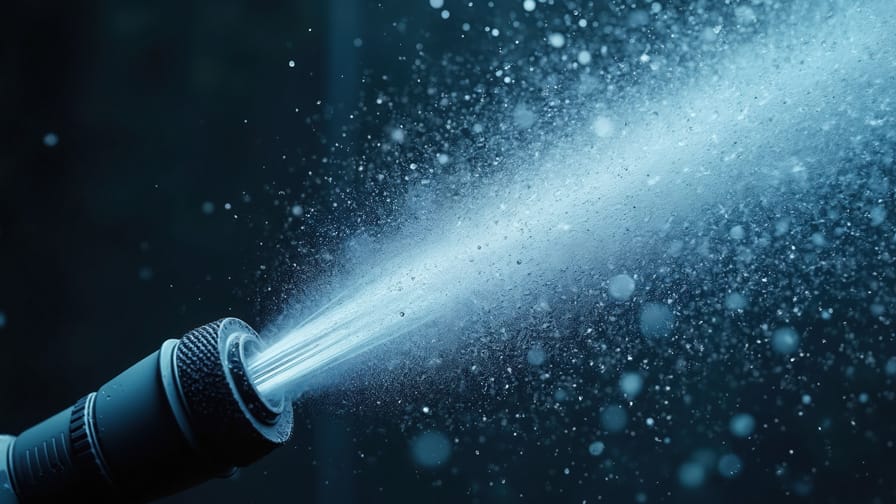
Clears grease, roots, and mineral scale from interior drains and sewer lines, restoring full flow.
Sewer Repair
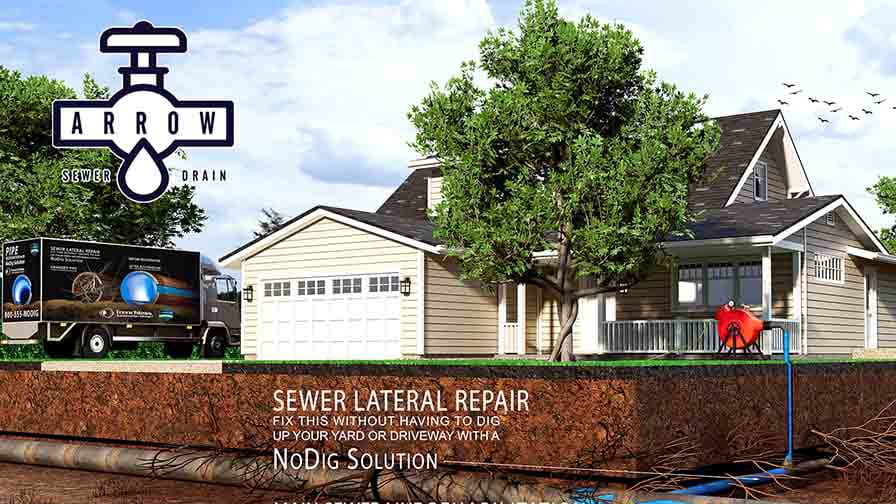
Repairs damaged sewer lines through excavation or trenchless methods to restore proper wastewater flow and function.

Trenchless Sewer Repair
Repairs damaged sewer lines underground using trenchless methods to restore flow without major excavation.

Trenchless Pipe Lining
Cured-in-Place Pipe (CIPP) lining is a leading trenchless sewer rehabilitation method used to restore damaged underground pipes.

Trenchless Pipe Replacement
Trenchless pipe bursting is an advanced sewer replacement method that allows severely damaged underground pipes to be replaced.
Horizontal Directional Drilling
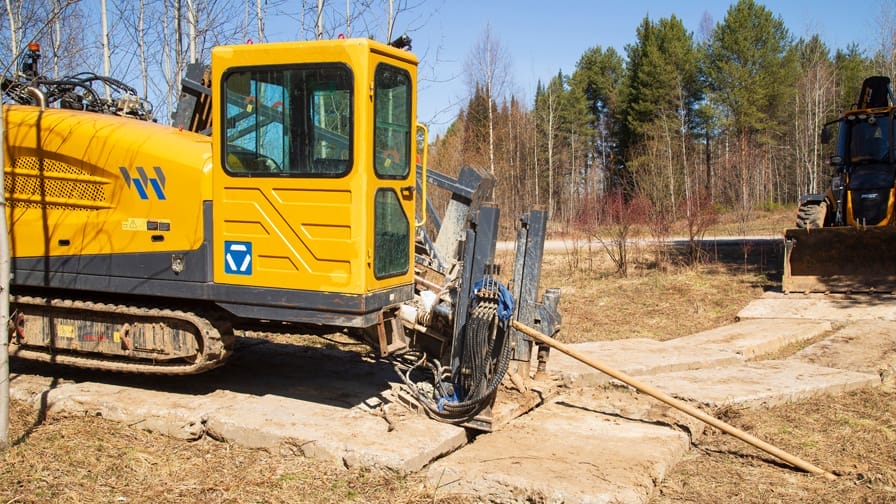
Horizontal directional drilling contractors installing sewer, water, and utility lines beneath driveways and roads across Central New Jersey.
Epoxy Pipe Coating
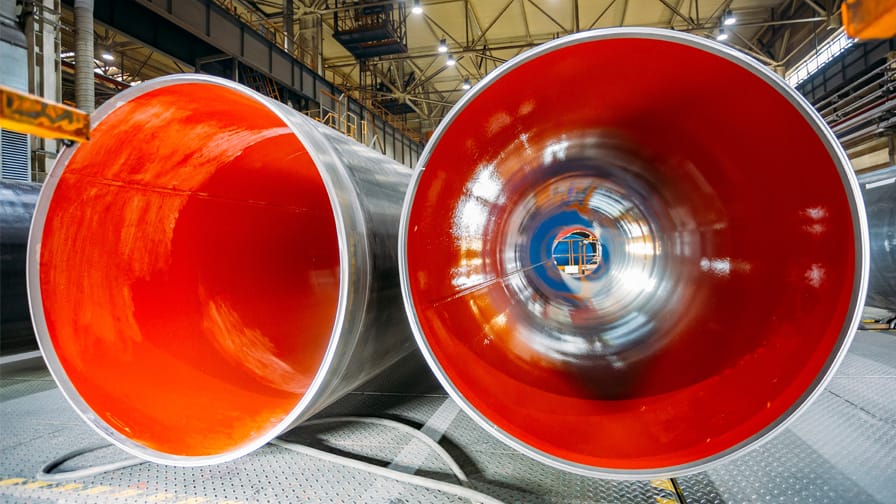
Epoxy pipe coating is a trenchless rehabilitation method used to restore aging or internally deteriorated piping without excavation.
How to Determine if You Need a Sewer Inspection
Drain issues often begin with surface-level symptoms, but patterns across fixtures and conditions help indicate deeper problems. Knowing whether these signs point to a sewer issue means evaluating how the system behaves before confirming the cause with an inspection.
Step 1: Check if Multiple Fixtures Are Affected
Determine whether more than one drain is impacted. When sinks, tubs, or toilets show issues at the same time, it may indicate a problem within the main sewer line rather than an isolated drain.
Step 2: Identify Recurring or Worsening Conditions
Look for repeated backups or slow drainage even after cleaning. Ongoing issues often suggest a deeper obstruction or structural restriction that has not been fully resolved.
Step 3: Look for Visible and Environmental Signs
Watch for sewage odors, wet or sunken areas along the sewer path, or unusual ground conditions. These indicators may point to leaks, breaks, or system deterioration.
Step 4: Evaluate Location and System Patterns
Distinguish whether the issue is limited to an interior drain or affecting the full property. System-wide symptoms, especially in properties with older clay or cast-iron piping, often indicate a sewer lateral concern.
Step 5: Confirm the Condition with the Correct Inspection
Symptoms suggest a problem, but they do not confirm the cause. A sewer inspection identifies it — and the right method depends on the pipe: interior drains and branch lines are inspected for pipes as small as 2 inches, residential sewer laterals call for a sewer inspection, and commercial or large-diameter systems call for CCTV inspection with a robotic crawler.
What the Camera Actually Finds
Locate buildup, grease accumulation, or foreign objects
Determines whether hydro jetting or structural repair is needed
Detect cracks, separations, or root intrusion
Confirm proper flow after drain cleaning
Pinpoint the location of a blockage without opening walls
Assess pipe condition before recommending repair

Interior Drain Line Inspection
Sewer inspections are often associated with the main sewer lateral, but our equipment can also be used to inspect accessible interior drain lines connected to your plumbing system.
By inserting a high-resolution drain camera into a cleanout or drain opening, we can visually evaluate interior drain lines without opening walls or disturbing finished areas. This allows us to:
- Identify the source of recurring clogs
- Locate buildup, grease accumulation, or foreign objects
- Detect cracks, separations, or root intrusion
- Confirm proper flow after drain cleaning
When paired with professional drain cleaning services, a sewer inspection removes guesswork. Instead of simply clearing a blockage, we can verify the condition of the pipe and determine whether additional repair may be necessary. This diagnostic approach supports more accurate recommendations and longer-lasting solutions.
Interior Branch Line Inspections
A drainage branch line is the section of pipe that carries wastewater away from an individual fixture or group of fixtures toward the main drain line, running beneath and away from the fixture drain itself — the runs below a kitchen, a bathroom group, or a laundry connection. For interior drainage branch lines of at least two inches in diameter, our camera can enter the run directly and inspect it the same way we inspect a main lateral, reading the condition of that specific pipe rather than the system as a whole.
This is the right inspection when the problem is isolated to one part of the house. A single fixture that drains slowly or backs up while everything else runs normally points to trouble in its branch line, not the main sewer. By inspecting the branch directly, we locate exactly where that run is obstructed, cracked, or misaligned — so any repair addresses the specific pipe at fault instead of the whole system.
Because branch lines are smaller and change direction more often than the main lateral, the two-inch minimum diameter is what allows the camera to travel the run and return usable footage. Where a branch line is too small or too restricted for the camera to pass, we say so and recommend the appropriate next step rather than forcing an inconclusive inspection.
Why Choose Arrow Sewer & Drain for Sewer Inspection
- Extensive experience with NJ sewer systems
- Advanced camera and locating technology
- Video documentation provided
- Accurate defect pinpointing before repair
- Licensed and insured professionals
- Service coverage throughout New Jersey
- Rapid emergency response capability
We prioritize accurate diagnosis before recommending corrective work.
Sewer Inspection Guide:
For a deeper look at how sewer inspection actually works — what a camera reveals about both the pipe and the soil supporting it, and how to evaluate any inspection report — see our complete guide to what sewer inspection cameras actually show.
Financing For Your Sewer Inspection
Learn more about financing options for your sewer inspection.
Nearby Service Locations To Support You
Are you looking for Sewer Inspection in New Jersey? We can provide you service from:
Middlesex County, NJ
We serve Middlesex County from our offices in Middlesex, NJ and South Plainfield, NJ.
Somerset County, NJ
We serve Somerset County from our offices in Basking Ridge, NJ, and Bound Brook, NJ.
FAQs About New Jersey Sewer Inspection
How important is a sewer inspection?
It’s the single most informative thing you can do for a sewer line, because it replaces guesswork with visual evidence. Every meaningful decision about a sewer — whether to clean, line, repair, or replace — depends on the pipe’s actual condition, and a camera inspection is the only way to see it without digging. It’s also inexpensive insurance: catching a deteriorating joint or early root intrusion during an inspection costs a fraction of dealing with the same problem after it becomes a collapse or a backup into the home.
What do they do during a sewer inspection?
A technician feeds a high-resolution waterproof camera into the sewer line through an existing cleanout or access point, then guides it through the full run while watching a live video feed. As the camera travels, the technician evaluates the pipe’s material and condition, notes any defects, and uses a locator to mark the position and depth of problem spots from above ground. You can typically watch the feed in real time, and the findings are reviewed with you afterward — including the footage behind any recommendation.
What do sewer inspectors look for?
Inspectors evaluate the pipe’s structural condition — cracks, offset or separated joints, corrosion, and deformation — along with bellies where the line has sagged and collects waste, root intrusion at the joints, and obstructions or buildup on the pipe walls. They also identify the pipe material itself, which matters in New Jersey because clay, cast iron, and Orangeburg lines each fail in characteristic ways. Together, this determines whether the line simply needs cleaning or has damage that calls for repair.
What are the common problems found during a sewer line inspection?
The most frequent findings are root intrusion at pipe joints, grease and scale buildup narrowing the channel, and bellies — sagging sections where waste and water pool. On older New Jersey lines, inspections also regularly reveal cracked or shifted clay tile, heavily corroded cast iron, and deformed Orangeburg pipe. Many inspections find some combination of these, which is exactly why the camera matters: each problem has a different right fix, from simple jetting to targeted repair or replacement.
How long does a sewer inspection take?
Most sewer scope inspections are completed within 30 to 90 minutes. Where a job lands in that range depends on the length of the line, how accessible the cleanout is, and what the camera finds — a clean run goes quickly, while documenting multiple defects or locating problem spots from above ground adds time. Even with a detailed review of the footage afterward, most homeowners should plan on the visit taking about an hour or two in total.
How do I prepare for a sewer line inspection?
Very little preparation is needed. The most helpful step is clearing access to your sewer cleanout — often in the basement, a utility area, or the yard — and to any drains the technician may need to reach; if you don’t know where your cleanout is, that’s fine, as the technician can locate it. Beyond that, jot down what prompted the inspection (recurring backups, slow drains, odors) and roughly when symptoms started, since that history helps direct the camera work. There’s no need to shut off water or avoid using your plumbing beforehand.
How often should you have your sewer line checked?
For newer PVC lines with no history of trouble, an inspection every three to five years is a reasonable maintenance rhythm. Older clay, cast iron, or Orangeburg lines — common throughout New Jersey — deserve a closer watch, every one to two years, since these materials deteriorate progressively and root intrusion recurs. Beyond the calendar, three moments always justify an inspection: before buying a home, after any sewage backup, and before any project that would pave or build over the line.
Is a sewer scope recommended during real estate transactions?
While not required, a sewer scope has become a routine part of due diligence on older New Jersey homes, and for good reason: the sewer lateral is one of the most expensive single components a buyer can inherit, and a standard home inspection never looks inside it. For buyers, the inspection turns an unknown into a documented condition — and negotiating leverage if problems are found. For sellers, scoping before listing avoids a surprise finding at the worst possible moment in the transaction.
Is a sewer scope inspection necessary before hydro jetting?
In many cases, yes. An inspection first confirms whether the blockage is buildup alone or whether structural damage is present — and that distinction matters, because high-pressure jetting directed at a cracked, deformed, or badly deteriorated pipe can make the damage worse. The camera also shows what the line is made of, which guides the appropriate pressure and technique. Jetting blind risks paying to clean a pipe that actually needed repair; scoping first ensures the right service gets performed.
Will the inspection damage landscaping?
No. Sewer scope inspections are completely non-invasive — the camera enters the line through existing cleanouts or access points, so nothing is dug up and no landscaping, driveway, or flooring is disturbed. That’s precisely the point of the technology: it shows the condition of the entire buried line without excavating any of it. If the inspection later leads to a repair, the camera and locator will have already marked the exact spot, keeping any necessary digging as small and targeted as possible.
What happens if major structural damage is found?
If defects are identified, the footage is reviewed with you so you can see exactly what the camera saw and where it sits on your property. From there, the options are explained — trenchless pipe lining, trenchless pipe replacement, or a localized repair — along with why one approach fits your line’s condition better than the others. Nothing is recommended sight unseen: the video evidence behind the recommendation is yours to review, which also makes it useful documentation for insurance or a real estate negotiation.
Can the inspection prevent full pipe replacement?
Often, yes. The camera frequently reveals that a problem assumed to be catastrophic is actually localized or serviceable — buildup that hydro jetting can clear, or damage confined to a section that trenchless lining or a spot repair can correct at a fraction of replacement cost. Just as importantly, inspection prevents the opposite mistake: repeatedly paying to clean a line that has genuinely failed. Either way, you’re deciding based on the pipe’s actual condition rather than assumptions.
How much does it cost to run a camera through a sewer line?
Right now, nothing — Arrow Sewer & Drain is currently offering a free sewer camera inspection, with a licensed technician walking you through exactly what the camera finds. The free inspection requires an accessible sewer cleanout, and you’ll need to mention the offer when scheduling, either by phone or through our estimate request form. A few limits apply: the offer can’t be combined with other coupons and isn’t redeemable for real estate transactions, which are quoted separately, and if you’d like a copy of the inspection video for your records, one can be provided for a set fee.
 Call Now: (908) 472-3801
Call Now for a Sewer Inspection in New Jersey
Recurring drain issues and hidden sewer defects rarely resolve on their own. Whether you need clarity before hydro jetting, confirmation prior to trenchless repair, or documentation for a property transaction, a professional sewer inspection provides accurate answers before larger decisions are made. Arrow Sewer & Drain serves properties throughout New Jersey with precise diagnostics and responsive service.